
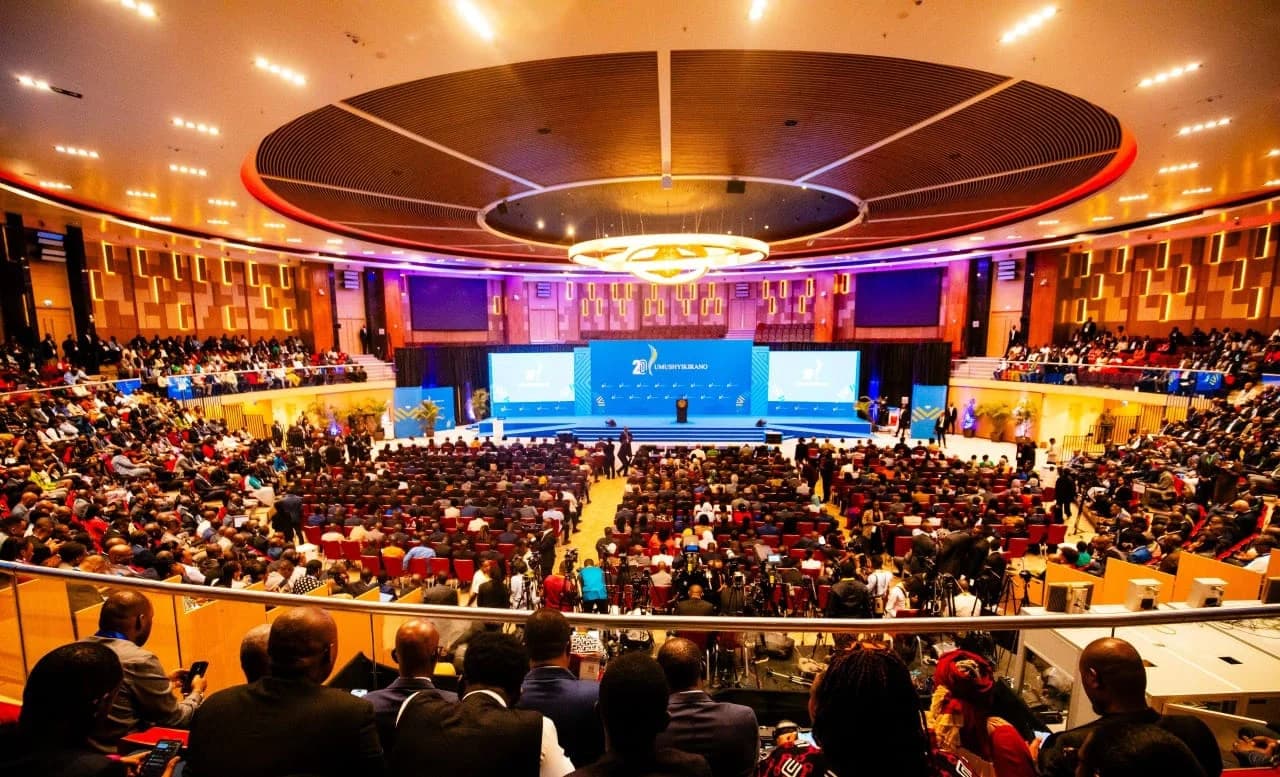
Kigali – 7 th Feb 2026 , As Rwanda continues to push digital innovation and youth employment, one of the debates highlighted during Umushyikirano 2026 focused on how young creators can earn money from social media. The discussion sparked in part by questions from creatives and influencers, reflects growing interest in turning digital content into sustainable income streams. Social media monetization is the process of earning money from content through advertising revenue, platform payouts, brand partnerships, fan subscriptions or e-commerce. Studies of the creator economy show earnings are
Kigali – 7th Feb 2026, As Rwanda continues to push digital innovation and youth employment, one of the debates highlighted during Umushyikirano 2026 focused on how young creators can earn money from social media. The discussion sparked in part by questions from creatives and influencers, reflects growing interest in turning digital content into sustainable income streams. Social media monetization is the process of earning money from content through advertising revenue, platform payouts, brand partnerships, fan subscriptions or e-commerce. Studies of the creator economy show earnings are often unequal with top creators earning far more due to algorithm promotion and audience size meaning consistency and quality content are crucial.

Like on YouTube, creators earn mainly through ads, memberships and fan donations. To qualify for monetization a content creator at entry level must have about 500 subscribers and 3,000 watch hours or 3 million shorts views. For full monetization (ads revenue) it requires about 1,000 subscribers and 4,000 watch hours or 10 million Shorts views. Once accepted into the Partner Program, creators can enable ads and share revenue. YouTube also shares revenue from Shorts ads, with creators receiving roughly 45% of allocated shorts ad revenue. Digital media analysts say YouTube rewards long term audience growth and original content, not just viral moments. For TikTok monetization has shifted in recent years. The platform replaced its creator fund with newer reward programs offering higher payouts but stricter requirements. Key earning methods include creator rewards or similar programs, live gifts during streams, brand partnerships (often biggest income source), affiliate marketing and TikTok Shop. Typical requirements can include thousands of followers, strong engagement and original content. Some programs can pay roughly $0.40 to $1 per 1,000 views depending on eligibility. However, availability is limited to certain countries in some programs, showing global inequalities in creator income opportunities. Social media strategists say TikTok is strong for visibility, but many creators earn more from brand deals than from the platform itself.

As for Meta allows creators to earn through Ads in videos and reels, paid subscriptions and fan support. There are some bonus programs for new or high performing creators for example some Meta programs require creators to be at least 18 and have around more than 500 followers. Meta has paid billions to creators and offers multiple earning channels including reels ads and subscriptions. The company also uses incentives like bonuses (sometimes thousands of dollars) to attract or retain creators. Experts say social media monetization can create digital jobs, support musicians, journalists and influencers and grow creative industries. But success is competitive many creators combine multiple income sources like ads, brand deals and external businesses to build stable earnings.



Comments
No comments yet. Be the first to share a thought.