
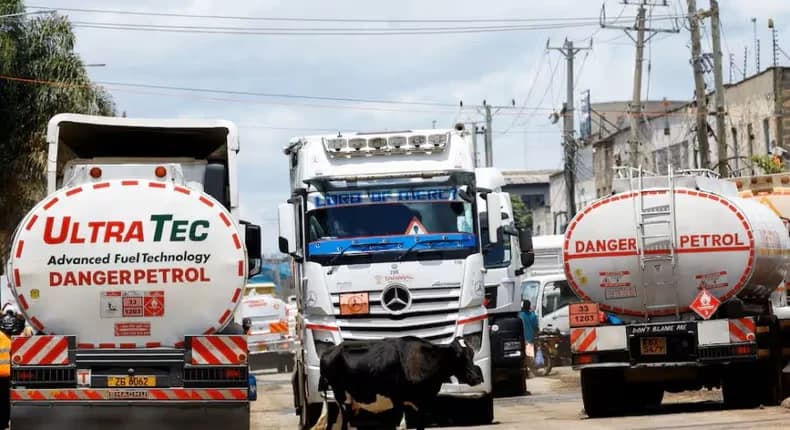
Kenya is staring at a potential fuel crisis after widespread shortages hit a significant number of retail stations, raising concerns about a broader regional impact. Independent fuel retailers report that nearly 20% of outlets across the country are already affected, a situation linked directly to the ongoing tensions between Iran and Israel. The conflict has disrupted global energy supply chains, particularly shipments passing through the strategic Strait of Hormuz—a corridor responsible for transporting a significant share of the world’s oil and liquefied natural gas. According to the Petr
Kenya is staring at a potential fuel crisis after widespread shortages hit a significant number of retail stations, raising concerns about a broader regional impact. Independent fuel retailers report that nearly 20% of outlets across the country are already affected, a situation linked directly to the ongoing tensions between Iran and Israel. The conflict has disrupted global energy supply chains, particularly shipments passing through the strategic Strait of Hormuz—a corridor responsible for transporting a significant share of the world’s oil and liquefied natural gas. According to the Petroleum Outlets Association of Kenya, the crisis is already unfolding at the retail level. Its chairman warned that if the geopolitical tensions persist, the situation could escalate into a full-blown national crisis within weeks. At the center of the domestic challenge is the decision by the Energy and Petroleum Regulatory Authority to freeze pump prices despite rising global oil costs. While aimed at protecting consumers, the move has triggered unintended consequences, including hoarding by dealers anticipating future price increases. The supply strain has been worsened by panic buying, with both retailers and consumers rushing to secure fuel before prices potentially surge. This spike in demand is accelerating depletion of available stocks. The crisis is not confined to Kenya alone. Across Africa, countries heavily dependent on fuel imports from the Gulf are feeling the pressure. East and Southern Africa, which rely on the Middle East for approximately 75% of their refined fuel, are particularly exposed. In South Africa, authorities have already warned that they have limited capacity to cushion citizens from rising fuel prices, with global crude oil costs surging beyond $100 per barrel. Meanwhile, Ethiopia has taken precautionary measures by urging citizens to reduce fuel consumption as supplies tighten. Experts warn that unless alternative supply routes are secured or geopolitical tensions ease, the continent could face a prolonged energy shock. Kenyan fuel marketers are now pushing for permission to source fuel from private suppliers as a contingency plan. For now, government officials maintain that reserves remain stable—but industry players insist the “real shock is on the way,” signaling a critical period ahead for Kenya and the wider African energy market.



Comments
No comments yet. Be the first to share a thought.