
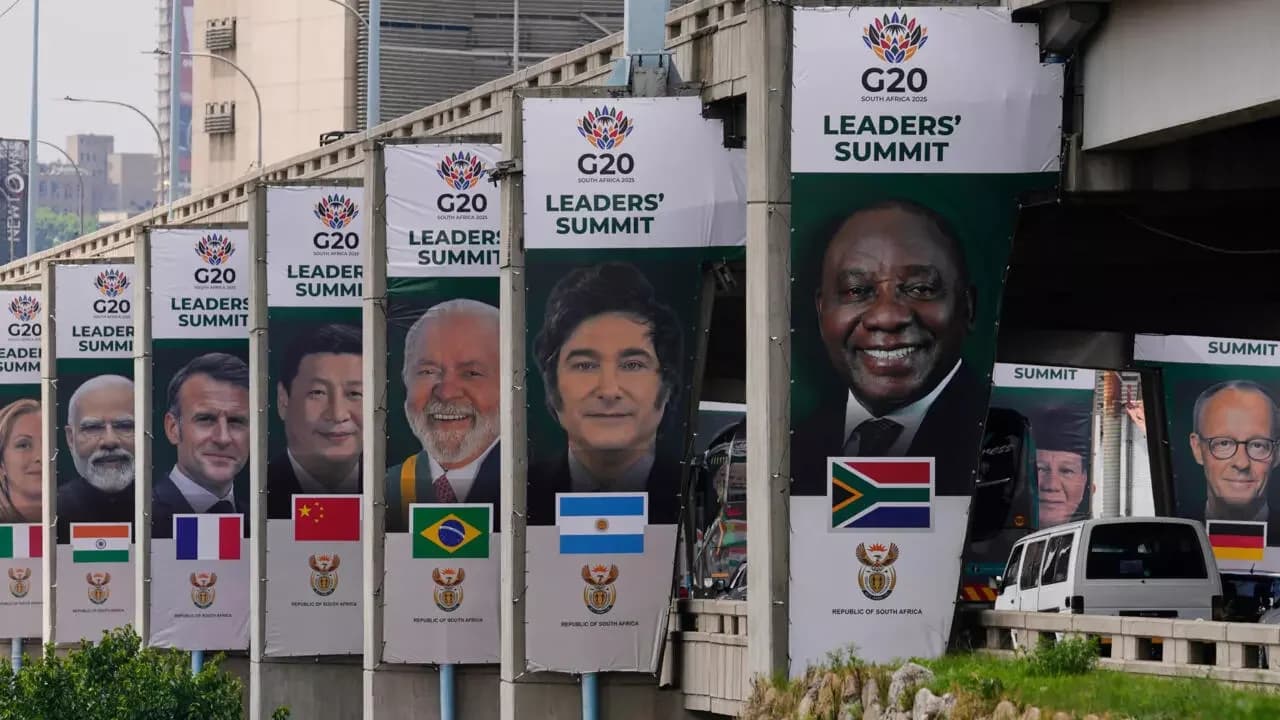
South Africa recorded a significant economic boost when Johannesburg hosted the 2025 G20 Leaders’ Summit, the first of its kind on African soil. Thousands of delegates, media teams, security personnel and business representatives travelled to Gauteng, creating a surge in demand across hotels, restaurants, transport services and conference venues. According to provincial officials, the event generated an estimated R1 billion for Gauteng’s economy, driven by increased occupancy rates and high spending within the hospitality sector. Tourism data and industry reports show that hotels in Johannesb
South Africa recorded a significant economic boost when Johannesburg hosted the 2025 G20 Leaders’ Summit, the first of its kind on African soil. Thousands of delegates, media teams, security personnel and business representatives travelled to Gauteng, creating a surge in demand across hotels, restaurants, transport services and conference venues. According to provincial officials, the event generated an estimated R1 billion for Gauteng’s economy, driven by increased occupancy rates and high spending within the hospitality sector. Tourism data and industry reports show that hotels in Johannesburg benefited from near-full bookings, while restaurants and event spaces operated at maximum capacity throughout the summit period. Transport operators, catering companies and local service providers also recorded major gains as global leaders and their entourages moved across the city. The elevated demand added millions of rand in direct revenue and reinforced the province’s reputation as South Africa’s primary business hub. The summit also accelerated infrastructure improvements. Key roads were rehabilitated, upgrades were made around the Nasrec precinct, and several public utilities were enhanced to support the inflow of international visitors. These investments are expected to outlive the summit itself and contribute to Gauteng’s long-term attractiveness for future conferences, exhibitions and high-level international events. In public discussions, a figure of about US$173 million has circulated as the overall economic impact of the summit. While the local R1 billion estimate is supported by provincial briefings, there is no consolidated national audit available that confirms an exact dollar-denominated total for South Africa as a whole. Variations in projected revenue, foreign exchange differences and the scope of what is included — whether direct, indirect or induced impact — make it difficult to verify the US$173 million figure with full accuracy. What remains consistent across reports, however, is that the summit delivered substantial short-term revenue and positioned South Africa advantageously on the global stage. Beyond the financial gains, Johannesburg benefited from worldwide media visibility, diplomatic engagement and strengthened ties with the world’s leading economies. Hosting the G20 elevated South Africa’s profile in global economic discussions and signalled the country’s readiness to handle complex international events. Analysts note that this exposure could lead to increased foreign investment, future tourism growth and deeper global partnerships. Overall, the Johannesburg G20 Summit proved to be a significant win for South Africa, generating major economic activity while enhancing the country’s international standing. The full financial picture will become clearer once all government departments release their detailed reports, but early indicators show a strong economic and diplomatic return from hosting one of the world’s most influential gatherings.
Comments
No comments yet. Be the first to share a thought.