
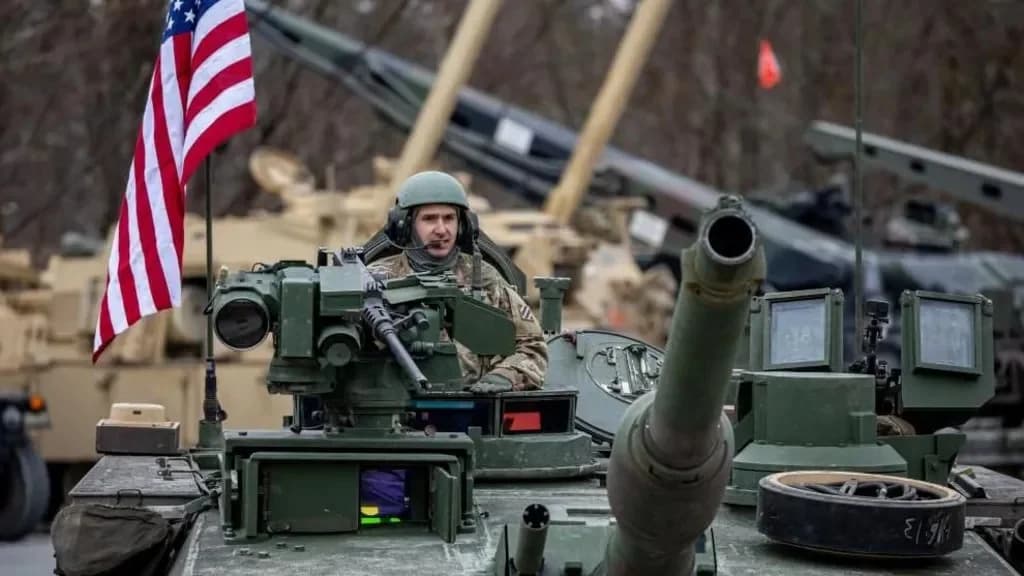
Germany has described the United States’ decision to withdraw 5,000 troops from its territory as “foreseeable,” even as the NATO alliance moves to understand the full implications of the move. German Defence Minister Boris Pistorius said the development did not come as a surprise, stressing that the presence of American forces in Europe remains vital for both sides. “The presence of American soldiers in Europe, and particularly in Germany, is in our interest and in the interest of the US,” he noted in remarks to DPA. NATO raises concerns over unity While Berlin appears prepared for the shift
Germany has described the United States’ decision to withdraw 5,000 troops from its territory as “foreseeable,” even as the NATO alliance moves to understand the full implications of the move. German Defence Minister Boris Pistorius said the development did not come as a surprise, stressing that the presence of American forces in Europe remains vital for both sides. “The presence of American soldiers in Europe, and particularly in Germany, is in our interest and in the interest of the US,” he noted in remarks to DPA. NATO raises concerns over unity While Berlin appears prepared for the shift, NATO has reacted cautiously. Alliance spokesperson Allison Hart confirmed that discussions are ongoing with Washington to clarify the details behind the withdrawal. The United States currently maintains more than 36,000 active-duty troops in Germany—its largest military presence in Europe—making the planned reduction strategically significant. The move has sparked growing concern among member states about the future cohesion of the 32-nation alliance. Polish Prime Minister Donald Tusk issued a stark warning, arguing that internal divisions pose a greater risk than external threats. He urged allies to act decisively to prevent further weakening of transatlantic ties. Political tensions driving military decisions The withdrawal comes amid escalating tensions between US President Donald Trump and German Chancellor Friedrich Merz. Their dispute was triggered by Merz’s criticism of Washington’s handling of negotiations with Iran, where he claimed the US had been “humiliated.” Trump responded sharply, accusing Merz of misunderstanding global security and even suggesting he was soft on Iran’s nuclear ambitions. The diplomatic clash has since spilled into broader discussions about military cooperation and burden-sharing within NATO. Strategic shift and European responsibility The troop reduction aligns with a broader US strategy to pivot its military focus toward the Indo-Pacific region, while pressing European allies to take greater responsibility for their own defence. Germany has already moved in that direction. Under the Merz government, defence spending has surged, with projections indicating it will reach 3.1% of GDP—well above NATO’s longstanding 2% benchmark. Berlin is also increasing coordination with European partners as it adapts to a changing security landscape. US lawmakers, including Roger Wicker and Mike Rogers, have expressed concern over the decision, warning that reducing forces in Europe could undermine deterrence at a time of heightened geopolitical tension. Uncertain path for transatlantic relations The planned withdrawal, expected to be completed within six to twelve months, underscores a deeper transformation in US-European relations. It reflects not only shifting military priorities but also growing political friction within the alliance. As NATO seeks clarity and European nations reassess their security roles, the move raises a critical question: is this a tactical adjustment—or the beginning of a more profound realignment of Western defence cooperation?



Comments
No comments yet. Be the first to share a thought.