
Polling stations in Ghana have officially closed after a full day of voting in presidential and legislative elections, seen as a pivotal test of the nation’s democratic resilience. Voting, which began at 7 a.m. local time on Saturday and ended at 5 p.m., was carried out smoothly without major disruptions. Early results are expected by Sunday, with final outcomes anticipated by Tuesday. Ghana, praised for its history of peaceful power transitions since the 1990s, faces heightened scrutiny this year due to political instability in neighboring countries like Burkina Faso, Mali, and Niger. Analys
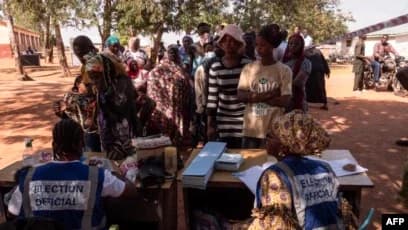
Polling stations in Ghana have officially closed after a full day of voting in presidential and legislative elections, seen as a pivotal test of the nation’s democratic resilience. Voting, which began at 7 a.m. local time on Saturday and ended at 5 p.m., was carried out smoothly without major disruptions. Early results are expected by Sunday, with final outcomes anticipated by Tuesday. Ghana, praised for its history of peaceful power transitions since the 1990s, faces heightened scrutiny this year due to political instability in neighboring countries like Burkina Faso, Mali, and Niger. Analysts emphasize the elections’ broader significance for demonstrating that democracy remains viable in West Africa. Key issues influencing voters include economic challenges such as youth unemployment and inflation. Security measures were tightened, with thousands of personnel deployed to ensure peace. The Electoral Commission has pledged transparency, urging citizens to remain patient as votes are counted, reinforcing the principle that every vote matters.



Comments
No comments yet. Be the first to share a thought.