
Global tensions continue to escalate as the fragile ceasefire between United States and Iran faces new challenges, with economic and military risks spreading far beyond the Middle East. The head of the International Monetary Fund has warned that prolonged instability could cause lasting damage to the global economy, particularly as disruptions threaten energy supply chains and investor confidence. At the center of the crisis is the strategic Strait of Hormuz , a critical passage for nearly a fifth of the world’s oil. U.S. President Donald Trump has issued a fresh warning to Iran, cautioning ag
Global tensions continue to escalate as the fragile ceasefire between United States and Iran faces new challenges, with economic and military risks spreading far beyond the Middle East. The head of the International Monetary Fund has warned that prolonged instability could cause lasting damage to the global economy, particularly as disruptions threaten energy supply chains and investor confidence.
At the center of the crisis is the strategic Strait of Hormuz, a critical passage for nearly a fifth of the world’s oil. U.S. President Donald Trump has issued a fresh warning to Iran, cautioning against restricting access or imposing tolls on ships. Analysts suggest Tehran may be deliberately limiting traffic to drive up global oil prices and gain leverage in ongoing negotiations, a move that has alarmed world leaders.
Meanwhile, Israel is facing growing international condemnation over its continued military operations in Lebanon. Despite the broader ceasefire, Israeli Prime Minister Benjamin Netanyahu has defended the strikes, insisting Hezbollah remains a legitimate target. However, dozens of countries have criticized what they describe as persistent attacks, warning that they risk derailing diplomatic efforts and worsening the humanitarian situation.
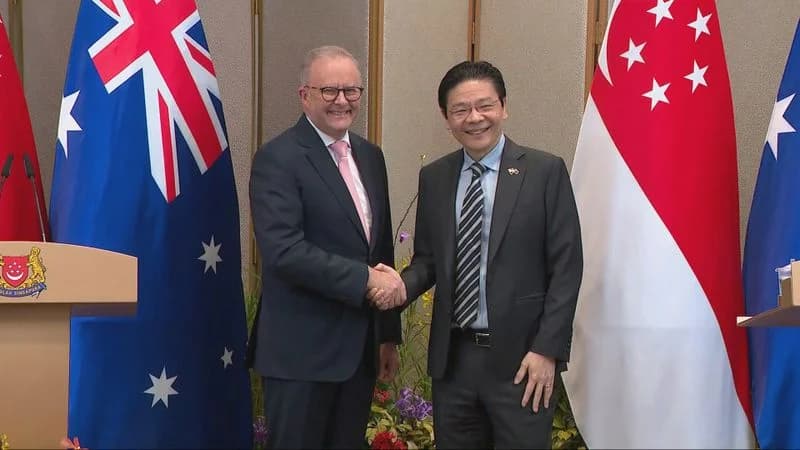
The conflict’s ripple effects are also being felt in global energy markets. Attacks on critical infrastructure in Saudi Arabia, including key oil facilities, have heightened fears of supply disruptions. Major economies are now scrambling to secure fuel reserves, with countries like Australia and Singapore strengthening cooperation to maintain stable supply chains.
As peace talks loom and geopolitical pressure intensifies, the crisis is no longer confined to regional rivalries. With energy security, global trade, and economic stability at stake, the coming days will be decisive in determining whether diplomacy can prevail or tensions will spiral further.



Comments
No comments yet. Be the first to share a thought.