
The ongoing conflict in the Middle East has taken a sharper geopolitical turn after US President Donald Trump issued a provocative message to allied nations, urging them to “go get your own oil” from the strategically vital Strait of Hormuz. In a strongly worded post on Truth Social, Trump criticized countries such as the United Kingdom for relying on American military support, declaring that the United States would no longer guarantee their energy security. He emphasized that nations must “learn how to fight for themselves,” signaling a potential shift in US foreign policy and global securit
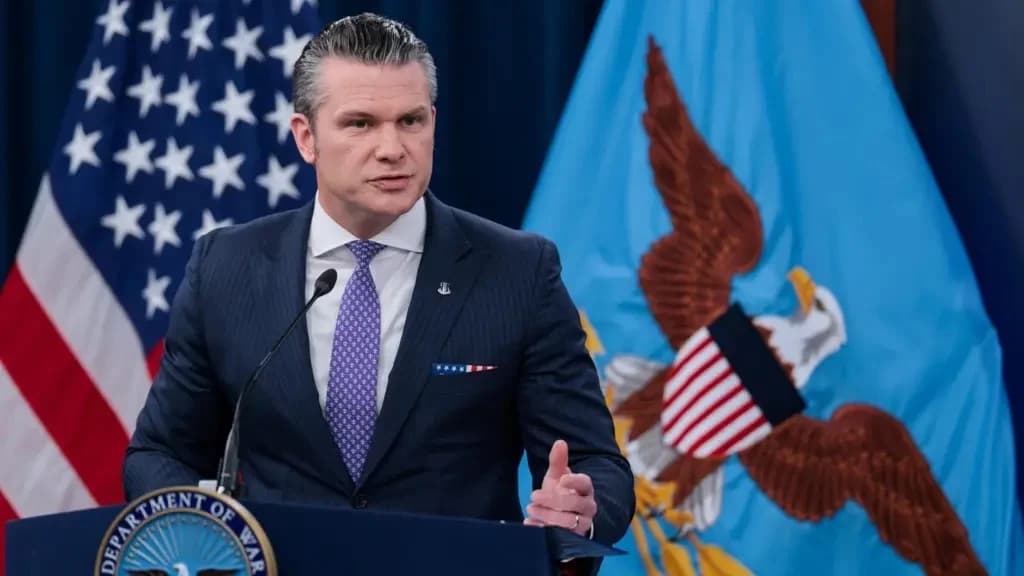
The ongoing conflict in the Middle East has taken a sharper geopolitical turn after US President Donald Trump issued a provocative message to allied nations, urging them to “go get your own oil” from the strategically vital Strait of Hormuz. In a strongly worded post on Truth Social, Trump criticized countries such as the United Kingdom for relying on American military support, declaring that the United States would no longer guarantee their energy security. He emphasized that nations must “learn how to fight for themselves,” signaling a potential shift in US foreign policy and global security dynamics. Rising Military Pressure and Strategic Shifts The remarks come at a time when tensions between the US, Israel, and Iran have intensified dramatically. During a Pentagon briefing, US Defence Secretary Pete Hegseth outlined a surge in military operations, claiming that over 11,000 targets have been struck in the past 30 days. He further stated that Iran’s military capability is weakening, with morale reportedly declining among its forces. Alongside him, General Dan Caine confirmed increased naval and air operations, including expanded use of B-52 bombers. The US has also reportedly taken out more than 150 vessels, highlighting the scale of the ongoing campaign. Hegseth described the current military mission as focused and urgent, contrasting it with past conflicts in Iraq and Afghanistan. According to him, troops are motivated and determined to “finish the job.” Strait of Hormuz: A Global Flashpoint At the center of the crisis is the Strait of Hormuz, one of the world’s most critical النفط transit chokepoints. A significant portion of global oil shipments passes through this narrow corridor, making it a key leverage point in the conflict. Trump’s suggestion that countries should independently secure oil from the strait raises serious concerns among analysts, as it could escalate military confrontations and disrupt global energy markets. Oil Tanker Attack Deepens Crisis The situation worsened following a reported strike on a Kuwaiti oil tanker near Dubai. The vessel, carrying millions of barrels of crude oil, was hit by what officials described as a drone or projectile attack, with blame directed toward Iran. Despite significant damage to the ship, all 24 crew members were reported safe, and authorities confirmed that the fire was contained without causing an environmental disaster. However, the attack underscores the vulnerability of oil infrastructure in the region. Regional Impact and Human Cost The conflict, now in its fifth week, has already resulted in thousands of casualties, particularly in Iran and Lebanon. Missile strikes and interceptions continue across multiple countries, including the UAE and Saudi Arabia, with civilians increasingly affected by falling debris and explosions. Meanwhile, Israel has signaled its readiness to continue operations for weeks, suggesting that a quick resolution remains unlikely. A New Global Order? Trump’s rhetoric, combined with escalating military actions, points toward a potential redefinition of global alliances and responsibilities. His message challenges long-standing expectations of US protection for its allies, especially in securing vital energy routes. As the war intensifies, the world watches closely—not only for the outcome of the conflict but for what it means for the future of international cooperation, energy security, and geopolitical stability.



Comments
No comments yet. Be the first to share a thought.