
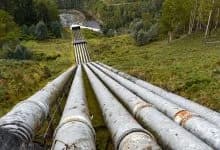
In the crisp morning air of Tasmania, amidst the bustle of workers preparing for their day, I had a chance encounter with a group of Marinus Link workers. These individuals are not just laboring for today; they are building the foundation for Australia’s energy future—one that is sustainable, affordable, and powered by renewables. Australia stands at a pivotal juncture in its energy landscape. The need for clean, reliable power has never been more pressing, driven by global environmental concerns and the imperative to reduce carbon emissions. Tasmania, with its abundant natural resources a
In the crisp morning air of Tasmania, amidst the bustle of workers preparing for their day, I had a chance encounter with a group of Marinus Link workers. These individuals are not just laboring for today; they are building the foundation for Australia’s energy future—one that is sustainable, affordable, and powered by renewables. Australia stands at a pivotal juncture in its energy landscape. The need for clean, reliable power has never been more pressing, driven by global environmental concerns and the imperative to reduce carbon emissions. Tasmania, with its abundant natural resources and progressive energy policies, has emerged as a crucial player in this transition. The Marinus Link project exemplifies Tasmania’s pivotal role. This ambitious initiative aims to connect Tasmania’s renewable energy resources, particularly its vast hydroelectric capacity, with mainland Australia through an underwater electricity cable. This connection will not only bolster the reliability of Australia’s energy grid but also facilitate the export of clean power to regions with high energy demand. For the workers I spoke to, the Marinus Link project represents more than just a job; it’s a commitment to a sustainable future. These jobs are not only secure but also forward-looking, providing skilled employment opportunities in construction, engineering, and renewable energy sectors. The project is expected to create hundreds of jobs directly, with numerous more in associated industries and services, providing a significant boost to Tasmania’s economy. Moreover, the benefits extend far beyond immediate employment. By harnessing Tasmania’s renewable energy potential, Australia can achieve a more balanced and resilient energy mix. Hydroelectric power, which forms the backbone of Tasmania’s energy generation, is not only clean but also cost-effective in the long term. This translates into potentially lower electricity prices for consumers across Australia, offering a welcome relief from the volatility of fossil fuel markets. The workers I met this morning are acutely aware of their role in shaping this future. They spoke passionately about their work, emphasizing the pride they take in contributing to a sustainable energy solution for Australia. Their dedication underscores Tasmania’s broader commitment to environmental stewardship and economic growth through renewable energy development. As Australia navigates the complexities of energy transition, projects like Marinus Link highlight the importance of collaboration between states, industry, and government. The integration of Tasmania’s renewable energy resources into the national grid is not just a technical feat but a testament to what can be achieved through visionary planning and investment. Looking ahead, the completion of Marinus Link will mark a milestone in Australia’s energy history. It will demonstrate that clean energy solutions can be both economically viable and environmentally responsible. By leveraging Tasmania’s natural advantages, Australia can position itself as a global leader in renewable energy innovation, setting a precedent for other nations grappling with similar challenges.



Comments
No comments yet. Be the first to share a thought.