
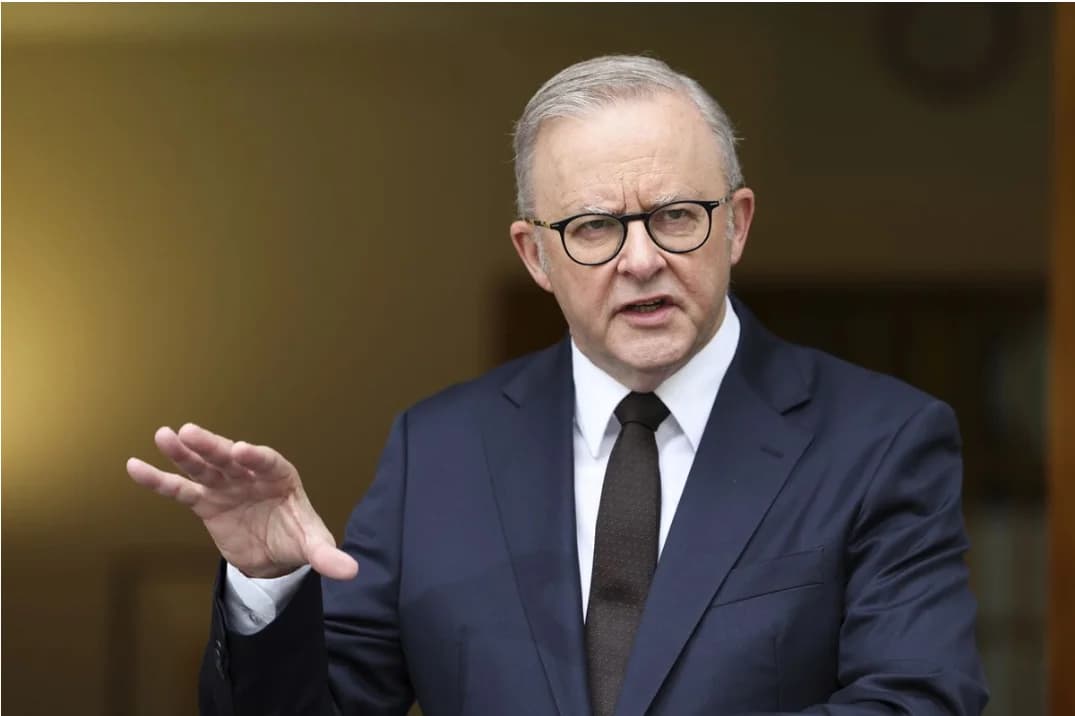
The federal government is weighing dozens of recommendations aimed at tackling rising levels of anti-Muslim hate in Australia, following the release of a landmark report by special envoy Aftab Malik. 9News reports that handing down his findings on Tuesday, Malik outlined 54 recommendations for governments at multiple levels. They include establishing parliamentary inquiries into Islamophobia and anti-Arab and anti-Palestinian hate, improving data collection on hate crimes, and addressing the influence of foreign actors accused of stoking religious division in Australia. “This is a historic o
The federal government is weighing dozens of recommendations aimed at tackling rising levels of anti-Muslim hate in Australia, following the release of a landmark report by special envoy Aftab Malik. 9News reports that handing down his findings on Tuesday, Malik outlined 54 recommendations for governments at multiple levels. They include establishing parliamentary inquiries into Islamophobia and anti-Arab and anti-Palestinian hate, improving data collection on hate crimes, and addressing the influence of foreign actors accused of stoking religious division in Australia. “This is a historic opportunity,” Malik told reporters. “It is a moment where we decide who we are as a country, and whether we are prepared to take the necessary steps to ensure that every person in Australia, regardless of faith, ethnicity or background, is safe, valued and treated with dignity.” Malik said Islamophobia has surged since the Hamas-led October 7, 2023, attack on Israel and remains persistent, often denied or ignored in Australia, and never comprehensively addressed. “In the past week alone, we have had a fake bomb left outside a Gold Coast mosque, and 1,700 students from Queensland’s largest mosque evacuated due to a bomb threat,” he said. “Here in Sydney, the Islamophobia register recorded an alleged incident in which a 55-year-old Arab man was repeatedly punched in the face while he was waiting at a bus stop. This was after the assailant allegedly targeted another Muslim passenger while saying Islamophobic slurs. These are the consequences of leaving Islamophobia unaddressed.” Prime Minister Anthony Albanese said the government would review all 54 recommendations and seek bipartisan backing for any legislative measures to avoid fueling a divisive public debate. “Australians should be able to feel safe at home in any community,” Albanese said. “The targeting of Australians based on their religious beliefs is not only an attack on them, but it’s an attack on our core values. We must stamp out the hate, fear and prejudice that drives Islamophobia and division in our society.” The foreword to Malik’s report was written by Test cricketer Usman Khawaja, the first Muslim to play for Australia. He revealed that his mother was racially abused at last year’s Boxing Day Test. “Two young men decided to walk behind my mum and scream obscenities in both ears, simply because she was wearing a hijab… she was terrified,” Khawaja wrote. “My mum was distraught; she didn’t know what to do and she was extremely frightened, shocked and upset by the incident.” Malik cautioned in his report that while addressing Islamophobia was essential, it must not be used to silence legitimate debate or criticism of religion. “I am cautious that Islamophobia should not become another meaningless plastic word, nor accusations of it be wielded as a weapon to silence or suppress respectful discussions and debate,” he wrote. “Upholding this distinction is essential to safeguarding democratic values, ensuring the freedom of expression, and preserving the integrity and effectiveness of efforts to combat genuine hate crimes, discrimination and vilification. Freedom of speech is a cornerstone of our society, but it should not be abused.” The report follows a parallel set of recommendations delivered in July by Jillian Segal, the special envoy to combat antisemitism.



Comments
No comments yet. Be the first to share a thought.