
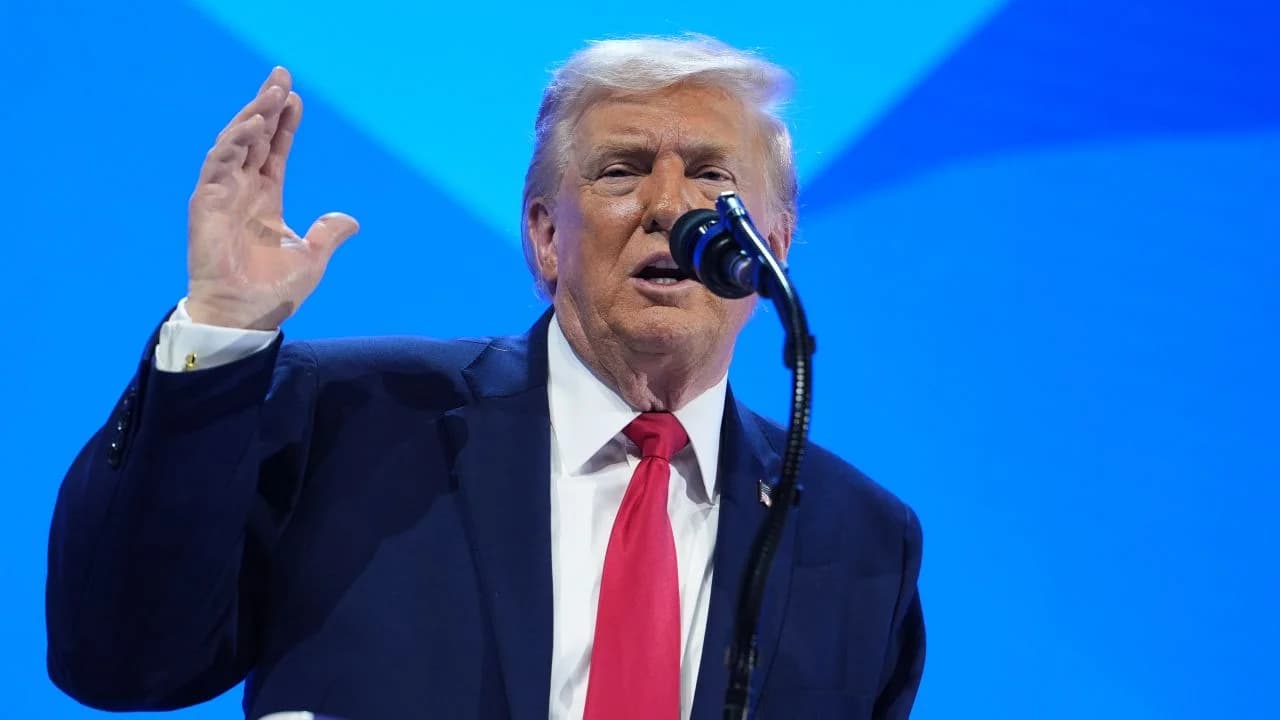
The recent diplomatic storm over Greenland has once again exposed a central question facing the transatlantic alliance: united for what purpose, and on whose terms? What began as sharp rhetoric from former US President Donald Trump, including tariff threats and suggestions of a long-term deal over Greenland, quickly escalated into a moment of uncertainty for Europe and Nato. Talks at the World Economic Forum in Davos ultimately eased tensions. Trump announced that a “framework” had been discussed with NATO and stepped back from both tariff threats and any suggestion of using force. Yet behind
The recent diplomatic storm over Greenland has once again exposed a central question facing the transatlantic alliance: united for what purpose, and on whose terms? What began as sharp rhetoric from former US President Donald Trump, including tariff threats and suggestions of a long-term deal over Greenland, quickly escalated into a moment of uncertainty for Europe and Nato. Talks at the World Economic Forum in Davos ultimately eased tensions. Trump announced that a “framework” had been discussed with NATO and stepped back from both tariff threats and any suggestion of using force. Yet behind the calming language, there was a clear effort by European leaders to reassert a basic principle of international order: sovereignty is not negotiable. Denmark’s Prime Minister Mette Frederiksen made this position unmistakably clear, while NATO Secretary General Mark Rutte stressed that discussions were about Arctic security, not ownership of territory. The episode highlighted how unity within NATO is increasingly tested by differing priorities. For the US, Greenland represents strategic and security interests in an Arctic region shaped by climate change, new trade routes and growing Russian and Chinese attention. For Europe, the issue was less about strategy and more about defending the rules that bind allies together. The UK’s quiet but firm diplomatic backing of Denmark reflected a broader European determination to manage disagreements without breaking the alliance. At the same time, Trump’s unveiling of a proposed “Board of Peace” added another layer of complexity, raising questions about whether existing international institutions are being challenged or reshaped. While the immediate crisis has cooled, the underlying tensions remain. In the end, this was not just a debate about Greenland. It was a test of whether NATO and its partners are united by shared values, or merely by convenience in an increasingly uncertain world.



Comments
No comments yet. Be the first to share a thought.