
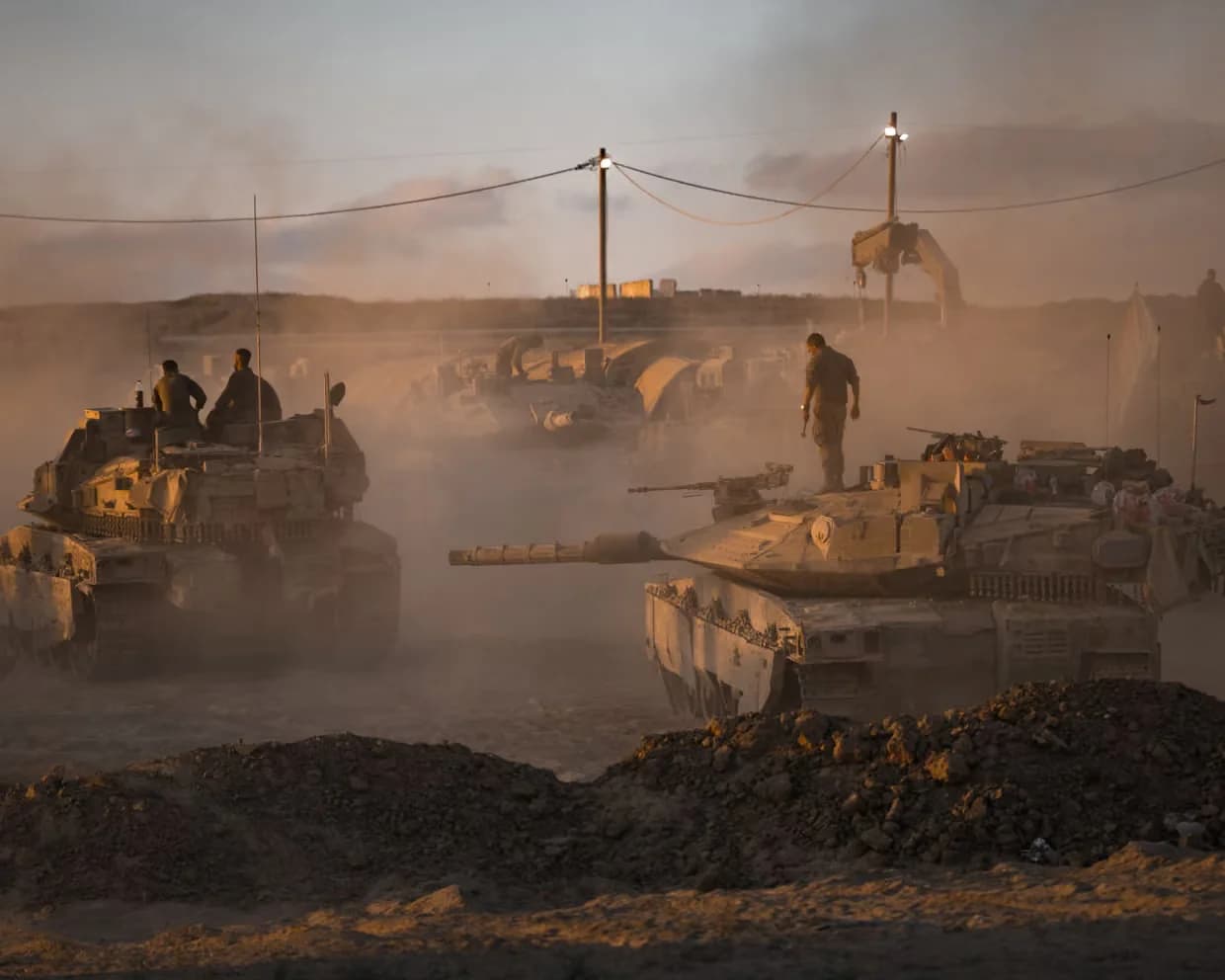
Israel has said it will deliver its response by Friday to international mediators over a new Gaza ceasefire plan accepted by Hamas, as international pressure mounts to end a war that has killed more than 62,000 Palestinians. The latest proposal comes after mass protests in Israel last weekend demanding a deal to secure the release of the 20 remaining living Israeli hostages held in Gaza. Reports suggest Hamas has softened its demands on both a prisoner-for-hostage exchange and Israel’s push for a “security buffer zone”. According to reported details cited by The Guardian , the proposed plan
Israel has said it will deliver its response by Friday to international mediators over a new Gaza ceasefire plan accepted by Hamas, as international pressure mounts to end a war that has killed more than 62,000 Palestinians. The latest proposal comes after mass protests in Israel last weekend demanding a deal to secure the release of the 20 remaining living Israeli hostages held in Gaza. Reports suggest Hamas has softened its demands on both a prisoner-for-hostage exchange and Israel’s push for a “security buffer zone”. According to reported details cited by
The Guardian
, the proposed plan envisages a 60-day ceasefire. About half of the surviving hostages, along with some bodies, would be released in phases in exchange for roughly 150 Palestinians held in Israeli jails, including some serving life sentences. Israel has previously rejected partial agreements, with leaders insisting on a comprehensive deal and warning of a looming large-scale offensive to retake Gaza City. Yet the reported terms closely mirror an earlier plan floated by Donald Trump’s special envoy, Steve Witkoff. Despite official denials, Israeli intelligence chief David Barnea has recently visited Qatar, fueling speculation that negotiations are more active than the government acknowledges.
The Guardian
reports that Qatar’s foreign ministry said on Tuesday that Hamas had agreed to terms “almost identical” to the Witkoff plan, adding that Israel had previously indicated support for those same terms. Egypt, which along with Qatar delivered the proposal to Israel, said “the ball is now in its court”. Reports also indicated that Egyptian officials are pressuring Hamas to accept compromises, including a possible arrangement where Hamas weapons would be placed under Egyptian custody for an undisclosed period to bridge Israel’s demand for Gaza’s demilitarisation. With Hamas signalling acceptance, international focus has shifted squarely onto Israel, which faces growing outrage over dire humanitarian conditions in Gaza. After months of a near-total blockade, the UN says Israel is now allowing limited supplies into the territory, but not enough to prevent widespread hunger. “In the past few weeks Israeli authorities have only allowed aid to enter in quantities that remain far below what would be required to avert widespread starvation,” said UN human rights office spokesperson Thameen al-Kheetan. He called the crisis a “direct result of the Israeli government’s policy of blocking humanitarian aid.” Israel’s military liaison agency, Cogat, insists it makes “considerable efforts” to facilitate aid distribution, a claim dismissed by much of the international community. Inside Israel, the prospect of a ceasefire faces fierce opposition from Prime Minister Benjamin Netanyahu’s far-right coalition partners, who have threatened to collapse his fragile government if he accepts a deal. However, mass protests demanding the release of hostages have created mounting domestic pressure, with further demonstrations planned this weekend.

Protests erupt nationwide in Israel with protestors demanding 'end to Gaza war' (screenshot)



Comments
No comments yet. Be the first to share a thought.