
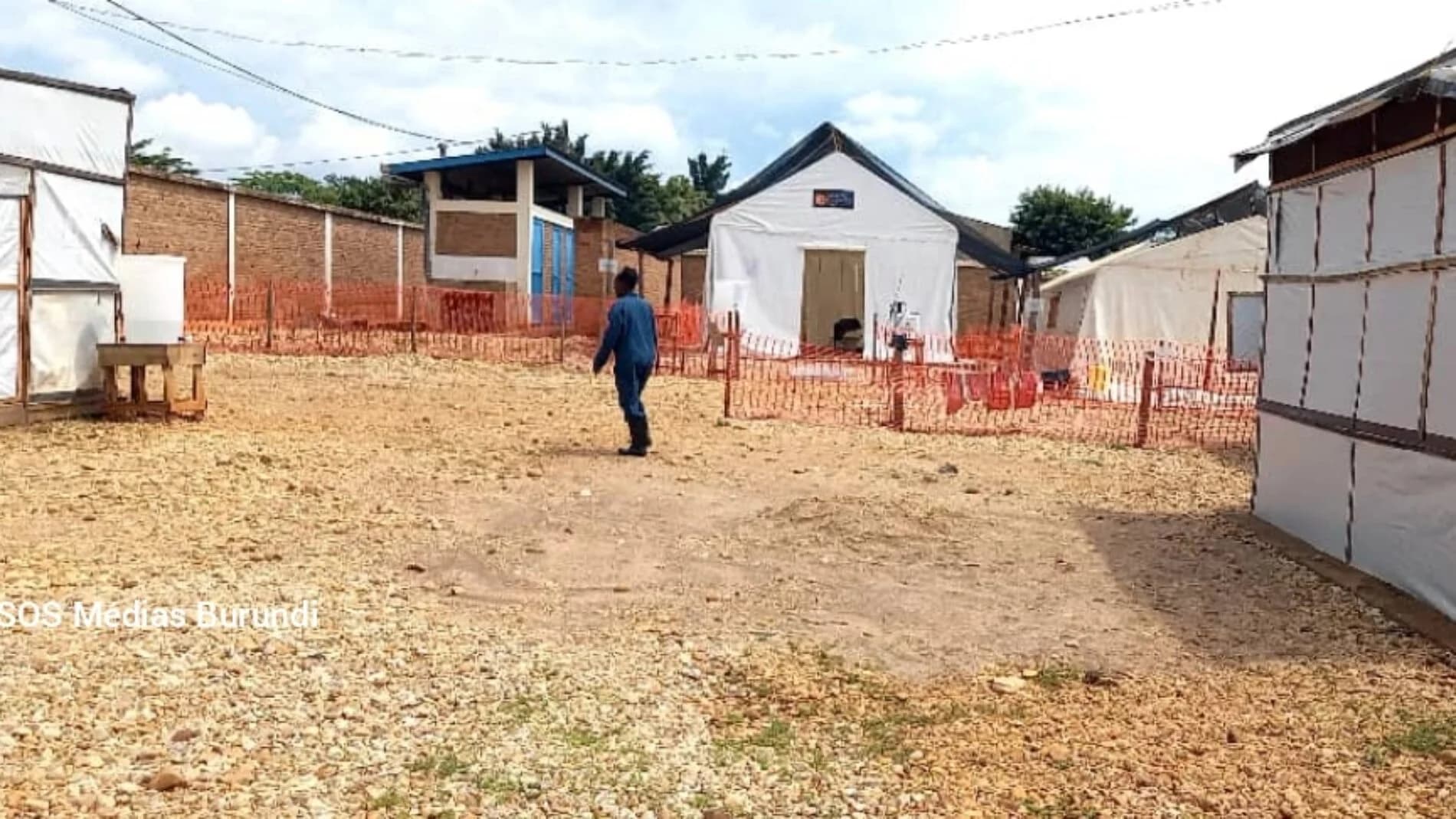
Authorities in Bujumbura Province, Burundi’s main commercial hub, have banned handshakes to help stop the spread of cholera, which is rapidly affecting several parts of the country. The ban was announced on Monday, October 6, by Governor Aloys Ndayikengurukiye, who outlined a series of measures aimed at containing the disease. He emphasized that cholera is primarily linked to poor hygiene and unsafe water. “It is forbidden to shake hands in greeting; a verbal greeting of peace is sufficient,” Governor Ndayikengurukiye said in his public statement. Health organizations, including Médecins Sa
Authorities in Bujumbura Province, Burundi’s main commercial hub, have banned handshakes to help stop the spread of cholera, which is rapidly affecting several parts of the country. The ban was announced on Monday, October 6, by Governor Aloys Ndayikengurukiye, who outlined a series of measures aimed at containing the disease. He emphasized that cholera is primarily linked to poor hygiene and unsafe water. “It is forbidden to shake hands in greeting; a verbal greeting of peace is sufficient,” Governor Ndayikengurukiye said in his public statement. Health organizations, including Médecins Sans Frontières (Doctors Without Borders), have warned that the outbreak is spreading quickly, especially in Cibitoke, where over 200 people have been admitted to hospitals since September. However, official figures from the Burundian government suggest a smaller scale. Authorities report 1,000 infections and six deaths so far in 2025, though other health agencies believe the real numbers are higher. The BBC reports that the Ministry of Health has launched radio campaigns to teach people how to prevent cholera. Meanwhile, Prince Régent Charles Hospital in Bujumbura has been struggling to handle the growing number of patients showing symptoms of the disease. According to the World Health Organization (WHO), cholera is caused by the bacterium Vibrio cholerae, which spreads through contaminated water or food. Symptoms include severe diarrhea, vomiting, dehydration, and fatigue. If left untreated, cholera can cause death within hours due to rapid fluid loss. The Africa Centres for Disease Control and Prevention (Africa CDC) estimates that more than 300,000 people across the continent may contract cholera this year, with a fatality rate of about 2.1 percent.



Comments
No comments yet. Be the first to share a thought.