
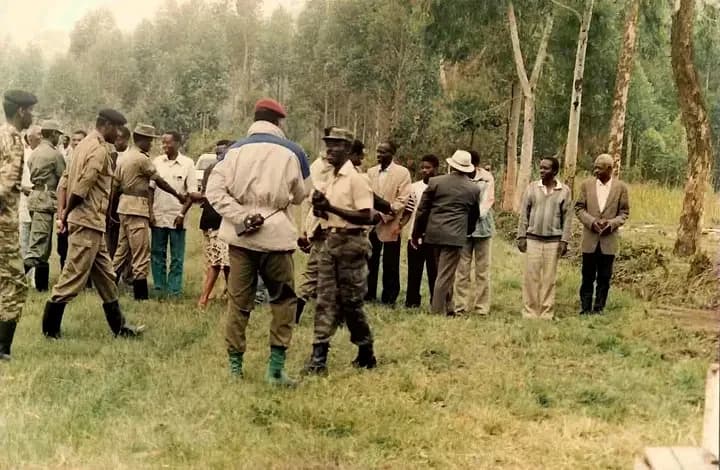
In a significant cultural and historical broadcast, Chad TV is currently airing the acclaimed documentary "Inkotanyi," directed by Christophe Cotteret, now translated into Arabic. This two-hour documentary provides an in-depth exploration of Rwanda's tumultuous history, focusing on the preparation and aftermath of the Genocide against the Tutsi and the subsequent reconstruction of the nation by the Rwandan Patriotic Front (RPF-Inkotanyi). A Deep Dive into Rwanda’s Past "Inkotanyi" retraces the historical trajectory of Rwanda, shedding light on the devastating genocide that took place in 1994
In a significant cultural and historical broadcast, Chad TV is currently airing the acclaimed documentary "Inkotanyi," directed by Christophe Cotteret, now translated into Arabic. This two-hour documentary provides an in-depth exploration of Rwanda's tumultuous history, focusing on the preparation and aftermath of the Genocide against the Tutsi and the subsequent reconstruction of the nation by the Rwandan Patriotic Front (RPF-Inkotanyi). A Deep Dive into Rwanda’s Past "Inkotanyi" retraces the historical trajectory of Rwanda, shedding light on the devastating genocide that took place in 1994. Over the span of approximately 100 days, an estimated 800,000 Tutsis and moderate Hutus were brutally massacred. The documentary meticulously documents the factors leading up to the genocide, including the political climate, social tensions, and international dynamics that contributed to this horrific event. The Role of the RPF-Inkotanyi The documentary delves into the pivotal role played by the Rwandan Patriotic Front (RPF-Inkotanyi) in halting the genocide and rebuilding the nation. Founded in 1987, the RPF was initially a rebel group composed largely of Rwandan refugees, predominantly Tutsis, who had been living in exile in Uganda. Under the leadership of Paul Kagame, the RPF launched a military campaign that ultimately stopped the genocide and took control of the country. Rebuilding a Nation "Inkotanyi" does not merely recount the horrors of the genocide; it also highlights the remarkable efforts undertaken to rebuild Rwanda from the ashes. The documentary showcases the RPF's initiatives in fostering national unity, justice, and reconciliation. This includes the establishment of the Gacaca courts, which played a crucial role in addressing the crimes of the genocide and facilitating communal healing. The Importance of Translation The translation of "Inkotanyi" into Arabic and its broadcast on Chad TV is a monumental step in raising awareness about Rwanda’s history in the Arab-speaking world. This move is particularly significant given the linguistic barriers that often limit the dissemination of such crucial historical narratives. By making the documentary accessible to Arabic-speaking audiences, Chad TV is contributing to a broader understanding of the genocide and the resilience of the Rwandan people. A Global Perspective The airing of "Inkotanyi" in Arabic underscores the importance of global solidarity and the sharing of historical narratives across cultural and linguistic boundaries. It serves as a reminder of the international community's role in both acknowledging past atrocities and supporting the ongoing efforts of nations recovering from such traumatic events.



Comments
No comments yet. Be the first to share a thought.