
Mexico's official electoral authority said preliminary results showed the 61-year-old former mayor of Mexico City winning between 58% and 60% of the vote in Sunday's election. That gives her a lead of about 30 percentage points over her main rival, businesswoman Xóchitl Gálvez. Ms Sheinbaum will replace her mentor, outgoing President Andrés Manuel López Obrador, on 1 October. Claudia Sheinbaum, the former mayor of Mexico City, has consistently led in recent polls, positioning herself as the favorite to win the presidency. Sheinbaum, a member of the ruling party, Movimiento Regeneración Naciona
Mexico's official electoral authority said preliminary results showed the 61-year-old former mayor of Mexico City winning between 58% and 60% of the vote in Sunday's election.
That gives her a lead of about 30 percentage points over her main rival, businesswoman Xóchitl Gálvez.
Ms Sheinbaum will replace her mentor, outgoing President Andrés Manuel López Obrador, on 1 October.
Claudia Sheinbaum, the former mayor of Mexico City, has consistently led in recent polls, positioning herself as the favorite to win the presidency. Sheinbaum, a member of the ruling party, Movimiento Regeneración Nacional (MORENA), has a strong political background and is known for her expertise in environmental science and public administration. Her tenure as mayor was marked by significant initiatives aimed at improving urban infrastructure, reducing pollution, and enhancing public transportation.
Sheinbaum's campaign focuses on continuing the progressive policies of the current administration, emphasizing social welfare, economic equality, and sustainable development. Her scientific background and pragmatic approach to governance have garnered widespread support, particularly among urban voters and younger demographics who are keen on progressive change.
The Challenging Rival Facing Sheinbaum is Xóchitl Gálvez, a senator and businesswoman who represents a coalition of opposition parties. Gálvez has built a reputation as a fierce advocate for indigenous rights and technological innovation. Her background in engineering and entrepreneurship brings a unique perspective to her campaign, which highlights economic reform, anti-corruption measures, and the promotion of technological advancements to spur economic growth.
Gálvez's appeal lies in her commitment to transparency and her vision of a more inclusive and technologically advanced Mexico. Her campaign resonates with voters seeking change from the current administration's policies, offering a robust alternative to Sheinbaum's continuity-focused platform.
The election of a female president would have profound implications for Mexico's political and social landscape. It could accelerate policies aimed at closing the gender gap, enhancing women's rights, and addressing issues such as gender-based violence and economic disparity. Furthermore, it would symbolize a significant cultural shift, promoting the acceptance and normalization of women in leadership roles across various sectors of society.
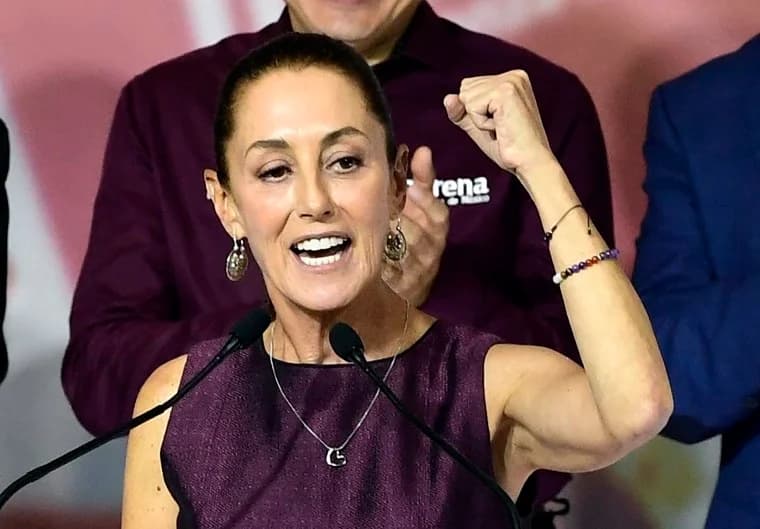
Claudia Sheinbaum has been elected as Mexico's first female president, in a historic landslide win.



Comments
No comments yet. Be the first to share a thought.