
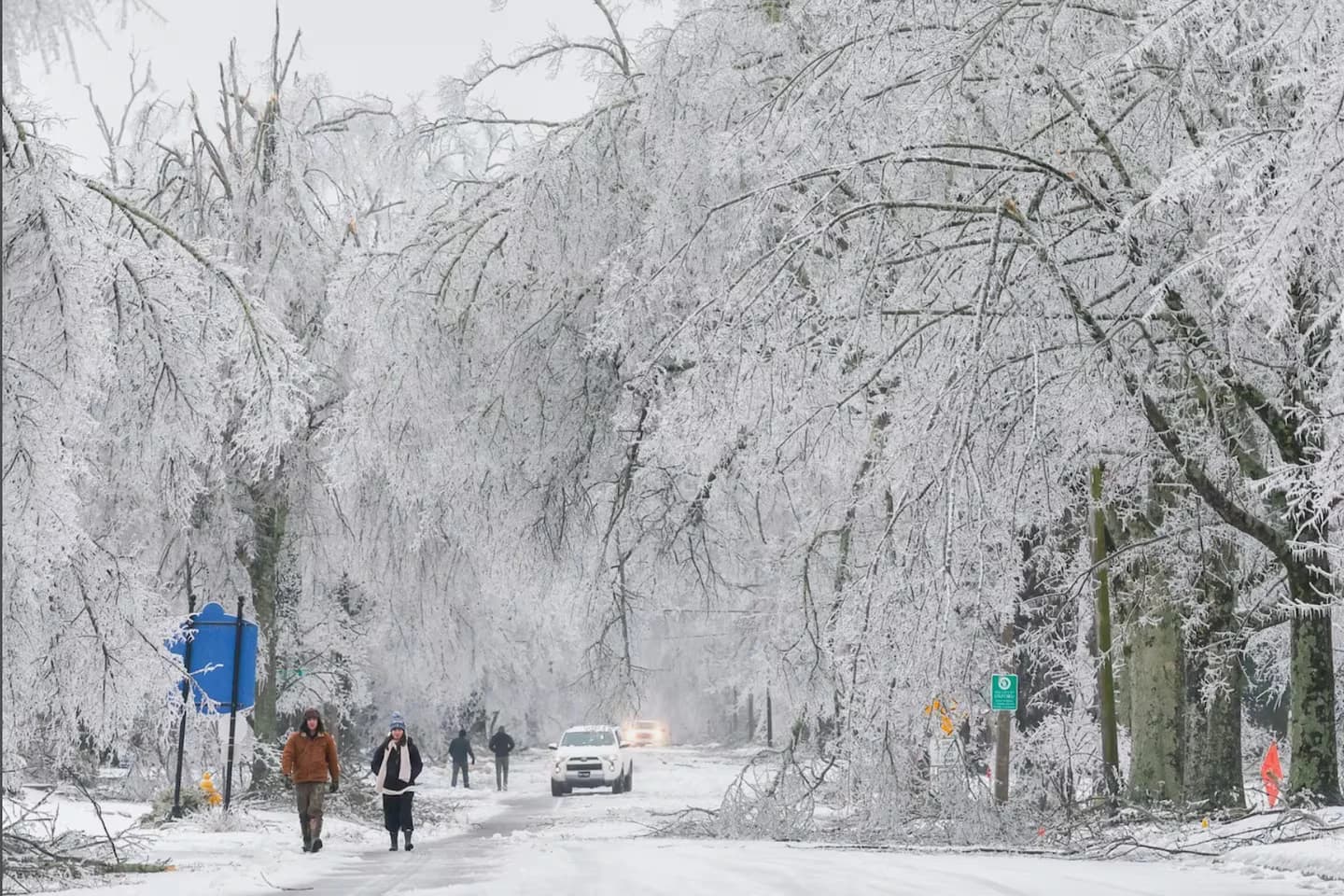
A massive and potentially historic winter storm has swept across North America, leaving at least 29 people dead and plunging more than 500,000 households into darkness as extreme cold continues to grip large parts of the United States. Meteorologists say the storm is notable for its extraordinary scale and intensity. Spanning nearly 2,000 miles, it delivered a dangerous mix of heavy snow, sleet, and freezing rain from northern Mexico through the southern, Mid-Atlantic, and northeastern United States, before extending into Canada. Hundreds of millions of people were affected as daily life was
A massive and potentially historic winter storm has swept across North America, leaving at least 29 people dead and plunging more than 500,000 households into darkness as extreme cold continues to grip large parts of the United States. Meteorologists say the storm is notable for its extraordinary scale and intensity. Spanning nearly 2,000 miles, it delivered a dangerous mix of heavy snow, sleet, and freezing rain from northern Mexico through the southern, Mid-Atlantic, and northeastern United States, before extending into Canada. Hundreds of millions of people were affected as daily life was disrupted, infrastructure strained, and emergency services stretched to their limits. Power outages remain widespread, particularly in the southern United States where severe ice accumulation brought down power lines and trees. As of early Tuesday, more than 543,000 customers were without electricity. Tennessee was the hardest hit with 182,335 outages, followed by Mississippi with 140,577, Louisiana with 100,118, and Texas with 30,564. Utility providers, including the Nashville Electric Service, have been working around the clock, with officials describing the storm as one of the worst ice events the region has experienced in decades. Snowfall totals of one to two feet were recorded across large swaths of the country from Texas to Maine, breaking daily snowfall records in several locations. Major cities were not spared. Philadelphia and New York City experienced their heaviest snowfall in five years, causing widespread transportation disruptions and closures. The aviation sector has been severely affected. More than 11,000 flights were canceled on Sunday alone, the highest single-day total since the COVID-19 pandemic. Since Friday, over 20,000 flights have been grounded nationwide, stranding passengers and disrupting airport operations. In Canada, Toronto’s Pearson International Airport reported its largest single-day snowfall since records began in 1937, receiving 46 centimeters of snow. Ontario Provincial Police said they responded to nearly 100 road accidents within a 24-hour period. Federal authorities have moved to support state-led response efforts. President Donald J. Trump approved emergency declarations for several states, including West Virginia, Arkansas, and Georgia, enabling the deployment of federal assistance. Supplies such as generators, food, water, medical equipment, cots, and blankets are being sent to affected areas to support emergency shelters and recovery operations. Although the storm system has begun to pull away from the East Coast, dangerously cold air is forecast to persist across more than half of the U.S. population through the middle of the week. Officials warn that the combination of deep snow, ice buildup, and prolonged freezing temperatures could cause power outages and hazardous road conditions to last longer than usual.
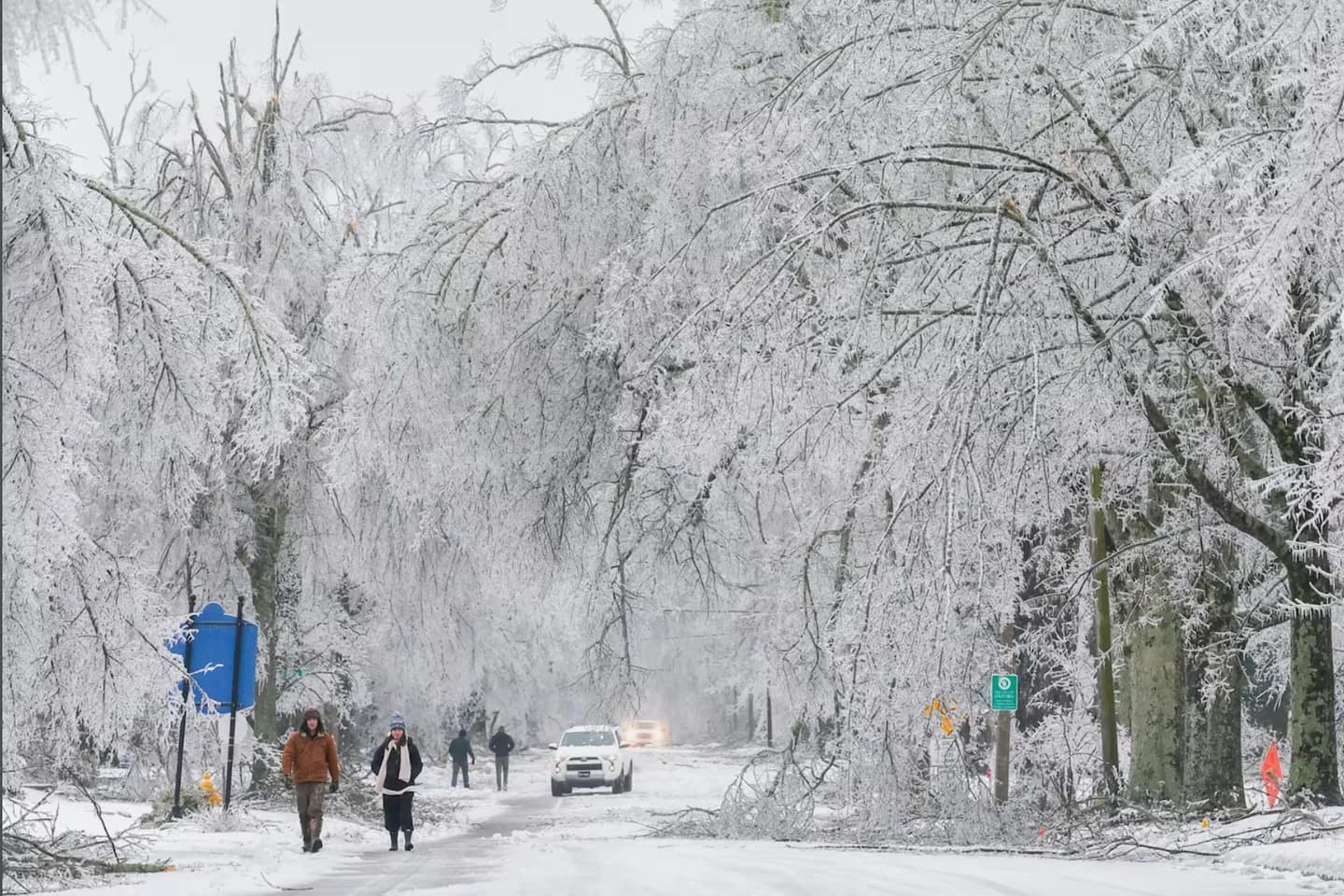
Emergency crews work around the clock as a massive winter storm triggers widespread power outages and dangerous conditions across large parts of the U.S.
The National Weather Service continues to urge residents in affected regions to remain indoors, avoid unnecessary travel, and keep roads clear for emergency responders. Authorities are also advising people to check on vulnerable neighbors, including older adults and those without access to adequate shelter. Homeowners are being cautioned to ensure heating system exhaust and intake pipes are clear of snow and ice to prevent carbon monoxide buildup and equipment failure, while professional roof inspections are recommended in areas with heavy snow accumulation. As recovery efforts continue and utility crews work to restore power, meteorologists warn that the lingering extreme cold poses ongoing risks of hypothermia, frostbite, and dangerous travel conditions. Officials emphasize that caution remains essential as communities across the United States and Canada cope with the aftermath of one of the most severe winter weather events in recent years. WRITTER IS NIYIGENA Blaise



Comments
No comments yet. Be the first to share a thought.