
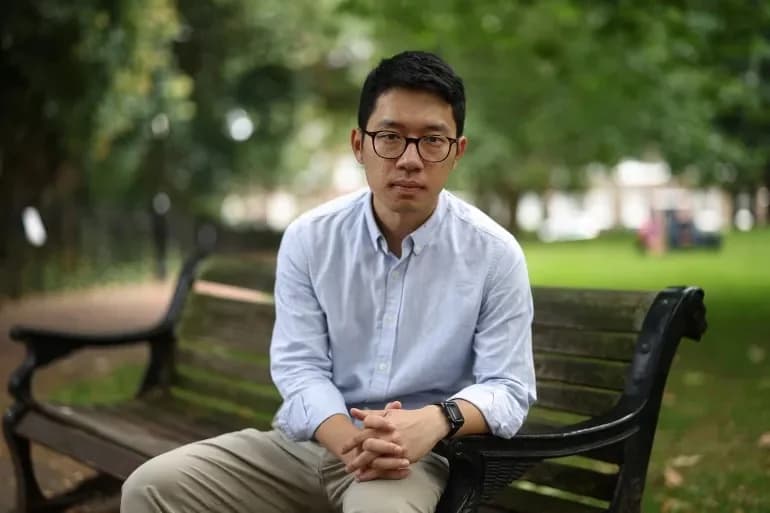
Hong Kong has taken a significant step in its ongoing crackdown on pro-democracy dissent by cancelling the passports of six activists currently in exile overseas. This action, taken under the recently enacted domestic security law, has sparked international concern and condemnation. The government has labeled these individuals as "lawless wanted criminals," marking a severe escalation in its efforts to suppress opposition voices. Government's Stance and Justification The Hong Kong government, in a statement, justified its actions by accusing the six activists of engaging in activities that t
Hong Kong has taken a significant step in its ongoing crackdown on pro-democracy dissent by cancelling the passports of six activists currently in exile overseas. This action, taken under the recently enacted domestic security law, has sparked international concern and condemnation. The government has labeled these individuals as "lawless wanted criminals," marking a severe escalation in its efforts to suppress opposition voices. Government's Stance and Justification The Hong Kong government, in a statement, justified its actions by accusing the six activists of engaging in activities that threaten national security. These individuals, referred to as "absconders" by the authorities, have been stripped of their travel documents, effectively rendering them stateless. Additionally, they face a comprehensive ban on all business dealings within Hong Kong, which extends to financial transactions involving cash or gold. This move is part of a broader strategy under the national security law, which Beijing imposed on Hong Kong in June 2020. The law grants authorities extensive powers to curb dissent and has been widely criticized for undermining the “one country, two systems” framework that was supposed to guarantee Hong Kong a high degree of autonomy until 2047. The Targeted Activists The six activists targeted by this measure are prominent figures in the pro-democracy movement. Many have been vocal critics of both the Hong Kong and Chinese governments, advocating for greater democratic freedoms and human rights protections. Their activism has led to significant personal risk, forcing them into exile to avoid prosecution under the national security law. The cancellation of their passports is seen as a punitive measure aimed at limiting their mobility and influence. By revoking their ability to travel, the Hong Kong government effectively isolates these activists, making it more challenging for them to continue their advocacy on the international stage. International Response The international community has reacted strongly to Hong Kong's actions. Human rights organizations, foreign governments, and advocacy groups have condemned the passport cancellations, viewing them as a clear violation of international norms and human rights principles. Several Western countries have issued statements criticizing the Hong Kong government's actions and calling for the protection of the activists' rights. There is growing concern that this move sets a dangerous precedent, potentially encouraging other authoritarian regimes to employ similar tactics against exiled dissidents. Implications for Hong Kong and Beyond The revocation of the activists' passports underscores the increasingly repressive environment in Hong Kong. It highlights the lengths to which the authorities are willing to go to silence dissent and enforce the national security law. This development not only impacts the targeted individuals but also sends a chilling message to other activists and critics of the government. For the exiled activists, the cancellation of their passports complicates their situation significantly. Without valid travel documents, their ability to seek asylum, continue their advocacy, or even secure basic rights in their host countries is severely hampered. This measure is a clear attempt to weaken the pro-democracy movement by targeting its most vocal and influential members.



Comments
No comments yet. Be the first to share a thought.