
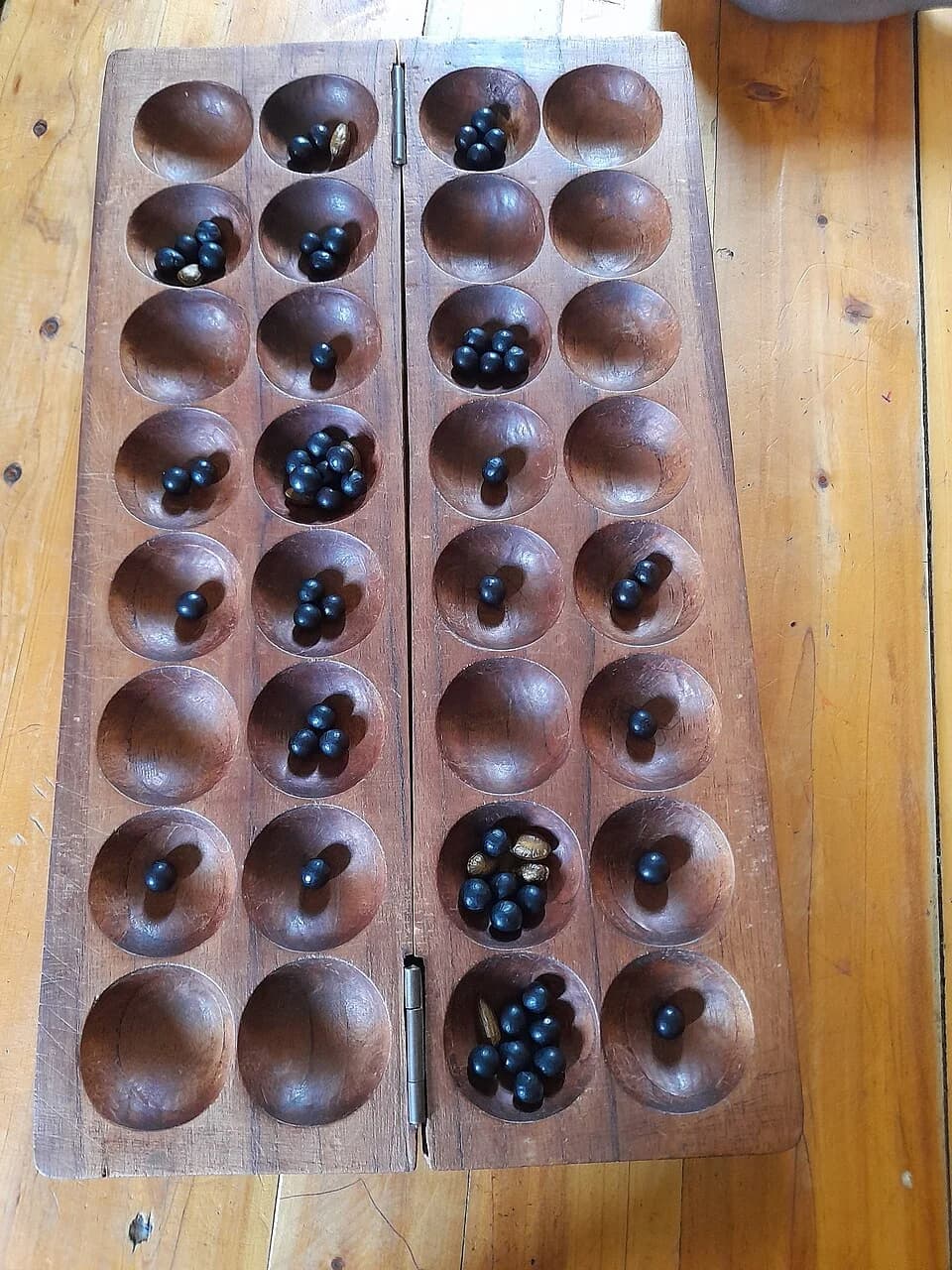
As the world embraces the digital age, some traditional games continue to hold deep cultural and historical significance. One such treasure is Igisoro, a traditional Rwandan board game that has stood the test of time. More than just a form of entertainment, Igisoro represents intelligence, strategic thinking, and social connection—an enduring symbol of Rwanda’s rich cultural heritage. Igisoro is a two-player strategy game played on a wooden board divided into four rows, each with eight pits. Players use small objects like seeds, beans, or stones as game pieces. Each player controls two rows a
As the world embraces the digital age, some traditional games continue to hold deep cultural and historical significance. One such treasure is Igisoro, a traditional Rwandan board game that has stood the test of time. More than just a form of entertainment, Igisoro represents intelligence, strategic thinking, and social connection—an enduring symbol of Rwanda’s rich cultural heritage. Igisoro is a two-player strategy game played on a wooden board divided into four rows, each with eight pits. Players use small objects like seeds, beans, or stones as game pieces. Each player controls two rows and must carefully plan their moves to collect more seeds than their opponent while defending their own territory. Unlike games based on chance, Igisoro requires deep strategic thinking, foresight, and quick decision-making. Players must anticipate their opponent’s actions, analyze patterns, and make tactical decisions, making it a powerful tool for intellectual development. In Rwanda, Igisoro has always been more than just a game. Traditionally, it was played at home, in marketplaces, and during community gatherings, serving as a vital social activity. It provided a platform for bonding, knowledge-sharing, and intellectual competition. Elders who excelled at Igisoro were highly respected, often using the game to mentor younger generations. Through this interaction, children learned not only gaming strategies but also essential life values such as patience, humility, and respect. The game fostered a spirit of togetherness, reinforcing the importance of unity and wisdom in Rwandan society. Despite modern technological advancements, Igisoro remains deeply ingrained in Rwandan culture for several key reasons. It connects Rwandans to their history and traditions, passing down ancestral knowledge. The game sharpens critical thinking, problem-solving, and logical reasoning skills, making it a valuable intellectual exercise. It also bridges the gap between young and old, fostering meaningful relationships and cultural exchange. Unlike digital games that require devices and electricity, Igisoro is simple, sustainable, and can be played anywhere. Efforts are underway to preserve and promote Igisoro at both national and international levels. Cultural festivals in Rwanda and the diaspora are showcasing traditional games, with Igisoro gaining renewed interest. Schools are incorporating it into extracurricular programs to ensure future generations embrace its legacy. Moreover, digital versions of Igisoro have emerged, making the game more accessible to younger audiences worldwide. There is even a growing push to have Igisoro recognized by UNESCO as part of the world’s Intangible Cultural Heritage, securing its place in global history. Igisoro is more than a game—it is a living cultural expression of strategy, wisdom, and unity. It teaches essential life skills, strengthens community bonds, and preserves a legacy that continues to inspire generations. By playing, teaching, and sharing Igisoro, we ensure that this treasured tradition remains alive for years to come.



Comments
No comments yet. Be the first to share a thought.