
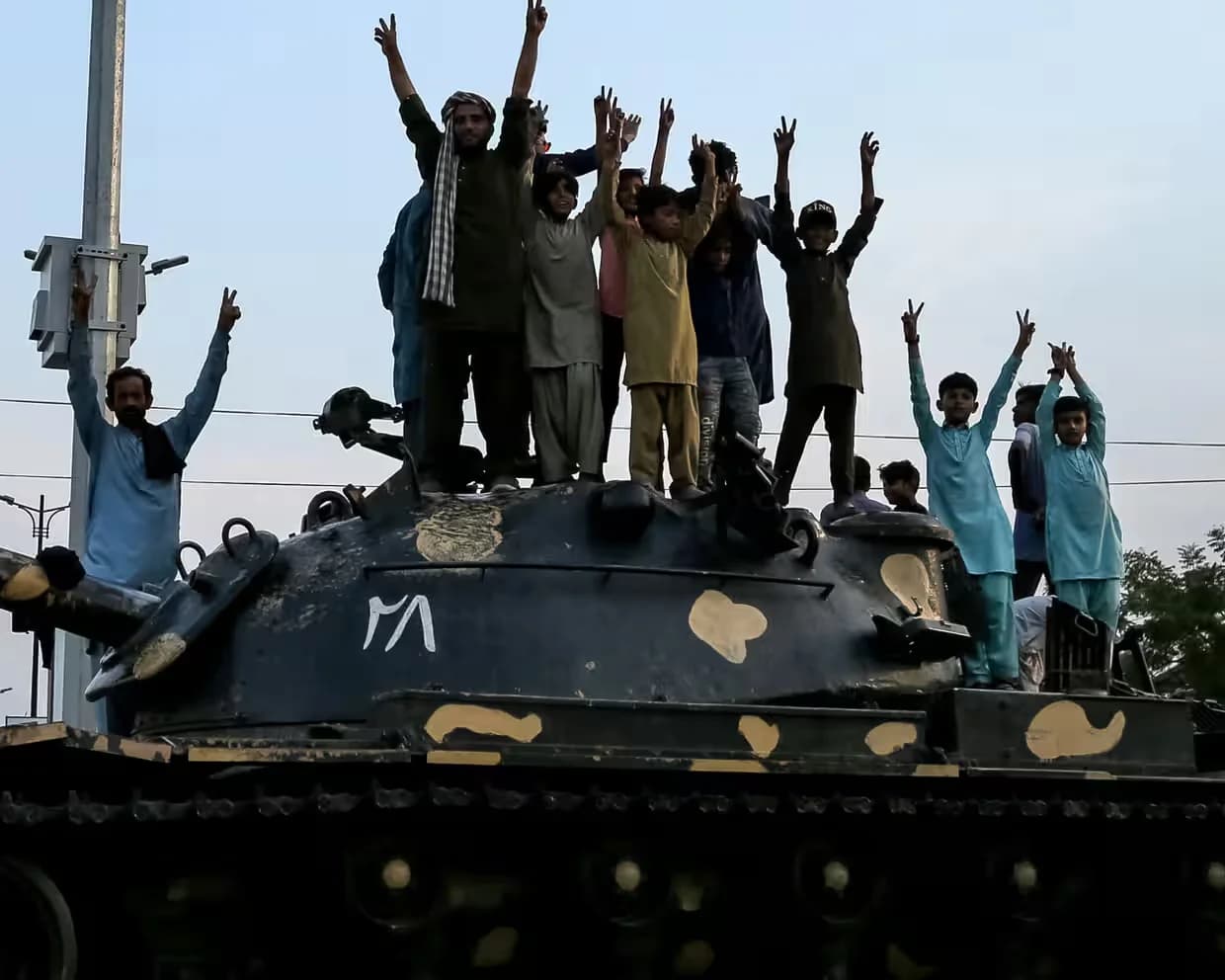
India and Pakistan have reached an agreement for an immediate and comprehensive ceasefire, aiming to end weeks of escalating hostilities in the disputed region of Kashmir. The truce follows a deadly terrorist attack on April 22 in an India-administered area of Kashmir, which claimed the lives of 26 people. US President Donald Trump announced the breakthrough, describing it as the outcome of “a long night of talks mediated by the United States.” According to Trump, the ceasefire was the result of persistent diplomacy intended to de-escalate one of the worst periods of conflict between the two
India and Pakistan have reached an agreement for an immediate and comprehensive ceasefire, aiming to end weeks of escalating hostilities in the disputed region of Kashmir. The truce follows a deadly terrorist attack on April 22 in an India-administered area of Kashmir, which claimed the lives of 26 people. US President Donald Trump announced the breakthrough, describing it as the outcome of “a long night of talks mediated by the United States.” According to Trump, the ceasefire was the result of persistent diplomacy intended to de-escalate one of the worst periods of conflict between the two nuclear-armed nations in nearly 30 years. Both Indian and Pakistani governments confirmed the ceasefire agreement shortly after it was declared. The move came just after both countries had exchanged a barrage of missile strikes across the Line of Control on Saturday. However, just hours after the announcement, residents of Jammu in India reported fresh drone attacks. Eyewitnesses told Reuters that they had seen projectiles in the sky and heard multiple explosions. Neither Indian nor Pakistani officials have commented on these new developments at the time of reporting. Despite the official truce, long-standing tensions continue to cast a shadow. The decades-long dispute over Kashmir remains a deep-rooted source of animosity between the two nations. According to The Guardian’s Jason Burke, should this ceasefire hold, the coming weeks are likely to be dominated by a "battle of narratives." India continues to assert that the militant group Lashkar-e-Taiba, responsible for the April massacre of 25 tourists and a guide in Indian-controlled Kashmir, operates as a proxy for Pakistan. Pakistan denies these accusations. Many security analysts find it implausible that Pakistan’s military or intelligence services were unaware of the April attack, considering the long-standing use of militant proxies by Islamabad to challenge India’s control in Kashmir. For years, Pakistan’s military has pursued a strategy of maintaining pressure in the region, partly by internationalizing the conflict and utilizing Islamist groups based in or recruited from Kashmir. Pakistani officials, meanwhile, have pointed to broader root causes for the violence, including the Indian government’s revocation of Kashmir’s autonomous status in 2019 and allegations of continued repression in the region. As the situation remains tense, prominent political figures in Kashmir have voiced skepticism over the ceasefire’s durability. Omar Abdullah, chief minister of Jammu and Kashmir, took to social media platform X to express alarm. “What the hell just happened to the ceasefire? Explosions heard across Srinagar!!!” he posted. In a follow-up message, Abdullah shared a video capturing the sound of explosions and added, “This is no ceasefire. The air defense units in the middle of Srinagar just opened up.” The latest developments underscore the fragile nature of peace efforts in the region, with questions already being raised over whether this ceasefire will hold—or if it is merely a pause before further escalation.



Comments
No comments yet. Be the first to share a thought.