
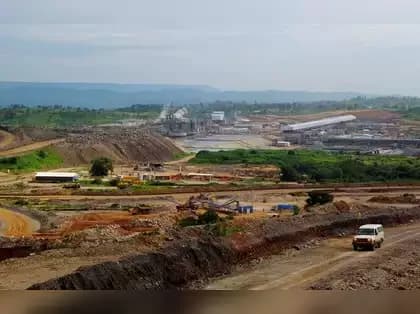
India is making significant strides in securing a long-term supply of cobalt and copper from the Democratic Republic of Congo (DRC), two vital minerals needed for the production of electric vehicle (EV) batteries, smartphones, and renewable energy infrastructure. This strategic move aims to bolster India’s position in the global competition for these essential resources, which are at the heart of the clean energy and technology sectors. Officials from India have engaged in advanced negotiations with the DRC, with plans for a high-level visit to the country later this year. During this visit,
India is making significant strides in securing a long-term supply of cobalt and copper from the Democratic Republic of Congo (DRC), two vital minerals needed for the production of electric vehicle (EV) batteries, smartphones, and renewable energy infrastructure. This strategic move aims to bolster India’s position in the global competition for these essential resources, which are at the heart of the clean energy and technology sectors. Officials from India have engaged in advanced negotiations with the DRC, with plans for a high-level visit to the country later this year. During this visit, Indian representatives are expected to attend a major mining conference, underscoring India’s commitment to strengthening trade ties with African nations rich in mineral resources. India’s interest in securing a steady supply of cobalt and copper is aligned with its ambitions to boost its EV production, battery manufacturing, and renewable energy capacity. The country’s rapidly expanding clean energy sector relies heavily on these minerals, which are crucial for advancing technologies like electric vehicles and energy storage solutions. Despite the promising outlook, there are challenges in finalizing the deal. The ongoing conflict in the mineral-rich eastern regions of the DRC poses a significant hurdle. However, India’s determination to secure access to these critical minerals demonstrates the fierce global competition for control over resources that are increasingly essential to modern technology. Both China and the United States are also vying for similar access to the DRC's mineral wealth, making this deal not only a matter of economic interest but also of geopolitical significance. The outcome of these negotiations could have profound implications for India’s strategic plans in the tech and energy sectors. A successful agreement would ensure a reliable supply of cobalt and copper, crucial for India’s ongoing transition to a green economy. The deal also stands to strengthen India’s economic ties with the DRC and the wider African continent, opening doors for further collaboration in the mining and technology industries. As the global demand for these minerals continues to surge, India’s ability to secure long-term access to cobalt and copper could help cement its position as a key player in the global clean energy race. The country’s efforts to diversify its supply chains and reduce dependency on other major players will be critical as it looks to navigate the complexities of this growing competition for resources.



Comments
No comments yet. Be the first to share a thought.