
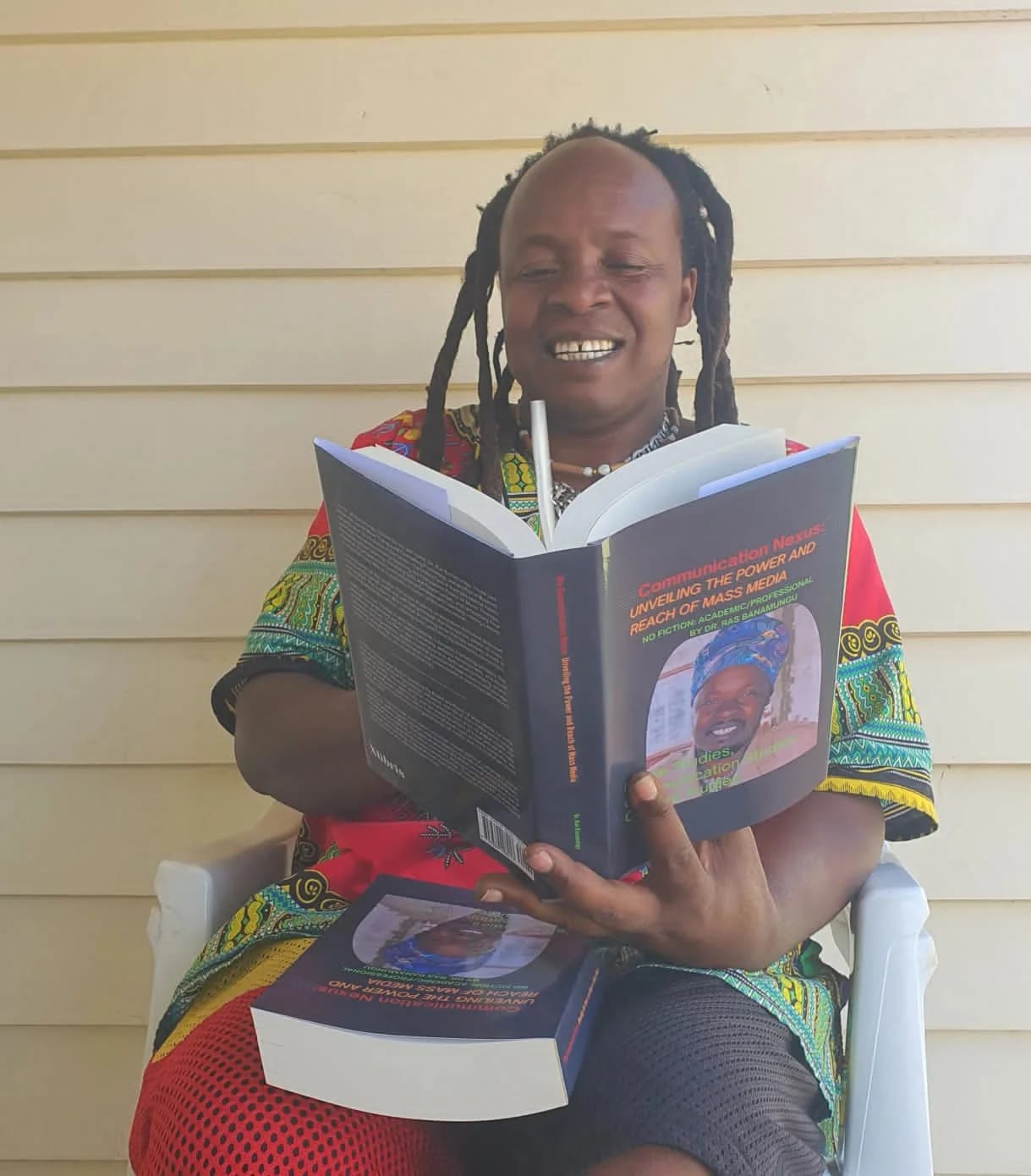
HobeNews: Dr. Ras Banamungu, congratulations on your latest book, Communication Nexus: Unveiling the Power and Reach of Mass Media. What inspired you to write this book? Dr. Ras Banamungu: Thank you. This book is the result of years of research and hands-on experience in the media and communication industry. I have always been fascinated by the power of mass media in shaping societies, influencing politics, and driving cultural shifts. With today’s rapid digital transformation, I felt it was the right time to provide a comprehensive look at how media operates, its impact, and the responsibili
HobeNews: Dr. Ras Banamungu, congratulations on your latest book, Communication Nexus: Unveiling the Power and Reach of Mass Media. What inspired you to write this book? Dr. Ras Banamungu: Thank you. This book is the result of years of research and hands-on experience in the media and communication industry. I have always been fascinated by the power of mass media in shaping societies, influencing politics, and driving cultural shifts. With today’s rapid digital transformation, I felt it was the right time to provide a comprehensive look at how media operates, its impact, and the responsibilities that come with it. HobeNews: What is the key message you want readers to take away from Communication Nexus? Dr. Ras Banamungu: The key message is that media is not just a passive tool for transmitting information—it actively shapes our perceptions, beliefs, and behaviors. Understanding how media operates allows individuals, businesses, and policymakers to navigate its influence effectively. Whether you are a journalist, an entrepreneur, or a consumer of media, critical engagement is essential. HobeNews: How does this book stand out from other works on media and communication? Dr. Ras Banamungu: Unlike many books that focus on either journalism, advertising, or digital media separately, Communication Nexus takes a holistic approach. It covers historical, theoretical, and practical aspects of mass media, including traditional print, radio, television, social media, and emerging AI-driven platforms. It also includes case studies and real-world examples that make the concepts relatable and applicable. HobeNews: You’ve had an extensive career in media, music, and education. How have your personal experiences influenced the themes in this book? Dr. Ras Banamungu: My journey in media and communication has been diverse, from journalism and music production to teaching and research. I have seen firsthand how media can be used for empowerment and, at the same time, how it can be manipulated for misinformation. My experience with Laughter Percussion has also shown me the role of media in shaping narratives about mental health and well-being. This book integrates these insights and offers practical guidance on how to use media responsibly. HobeNews: In your book, you discuss the power of mass media. In your opinion, what is its most significant impact on society today? Dr. Ras Banamungu: The biggest impact of mass media today is its ability to set the agenda. Media controls what stories get attention, how they are framed, and how the public responds. In a world where information is abundant but often manipulated, media literacy is more critical than ever. HobeNews: With the rise of AI and big data, how do you see mass media evolving? Dr. Ras Banamungu: AI is transforming media in ways we are only beginning to understand. We already see automated journalism, personalized content curation, and AI-generated deepfake videos. While AI can make media production more efficient, it also raises ethical concerns about misinformation, bias, and job displacement. The challenge will be to strike a balance between innovation and responsible media practices. HobeNews: Do you think traditional media is losing its influence in the digital era? Dr. Ras Banamungu: Traditional media is evolving rather than fading. While digital platforms dominate content distribution, legacy media brands still hold credibility. The challenge for traditional media is to adapt to digital consumption habits while maintaining journalistic integrity. HobeNews: You also explore the role of social media in mass communication. How do you think it has changed the way people consume and engage with news? Dr. Ras Banamungu: Social media has completely changed the landscape of news consumption. It allows real-time updates and audience engagement, but it also comes with the risk of misinformation and echo chambers. People are exposed to news through algorithms that reinforce their existing beliefs, which can be both empowering and dangerous. In Communication Nexus, I discuss ways to navigate this landscape critically. HobeNews: You’ve mentioned that misinformation is a major challenge. How do you address this issue in your book? Dr. Ras Banamungu: I break down the mechanisms behind media bias, propaganda, and fake news. I also provide strategies for recognizing and countering misinformation. The book emphasizes the importance of media literacy and independent thinking. HobeNews: What advice do you have for media professionals and students of communication? Dr. Ras Banamungu: Stay adaptable and critical. The media landscape is constantly changing, and those who understand both traditional and emerging platforms will be the most effective communicators. Ethical responsibility is also crucial in maintaining public trust. HobeNews: Let’s shift to your upcoming project. You’re also launching a course at Laughter Percussion Academy. Can you tell us more about it? Dr. Ras Banamungu: Yes! I am launching a new course at Laughter Percussion Academy, where we integrate media and communication with music therapy. The course will explore how media can be used to promote positive mental health through innovative approaches like Laughter Percussion. It’s designed for therapists, educators, and media professionals who want to use music and communication as tools for healing and empowerment. HobeNews: That sounds like a groundbreaking initiative. How does this course align with your work in media and mass communication? Dr. Ras Banamungu: Media plays a critical role in mental health narratives. Through this course, I want to bridge the gap between communication studies and music therapy. Laughter Percussion is about healing through rhythm, and when combined with media strategies, it becomes a powerful tool for spreading awareness, building communities, and fostering well-being. HobeNews: You’re clearly passionate about education and innovation. Do you see Communication Nexus evolving into an educational course as well? Dr. Ras Banamungu: Absolutely. I plan to develop Communication Nexus into an online course that can be used in academic and professional settings. It will include interactive elements such as case studies, assessments, and media analysis exercises to help students apply these concepts in real-world scenarios. HobeNews: You’re also involved in multiple projects, from publishing to media and education. How do you balance all these endeavors? Dr. Ras Banamungu: Passion and purpose keep me going. Each project is connected by a common goal—to educate, inspire, and empower people. Whether through books, music, or courses, I see them as different expressions of the same mission. HobeNews: What’s next for you after this book and course launch? Dr. Ras Banamungu: I’m already working on more research and projects, including expanding Laughter Percussion Academy and launching new initiatives under The Det-n-ators International. I also plan to explore more ways to use AI in media and education. HobeNews: Any final message for your readers and supporters? Dr. Ras Banamungu: I want to thank everyone who has supported my journey. Media is a powerful tool, and by understanding it better, we can use it to create positive change. I encourage everyone to engage critically with the information they consume and to keep learning. HobeNews: Thank you, Dr. Ras Banamungu, for sharing your insights. We look forward to your book launch and upcoming course! Dr. Ras Banamungu: Thank you! I appreciate the opportunity to share my work with HobeNews and its readers.



Comments
No comments yet. Be the first to share a thought.