
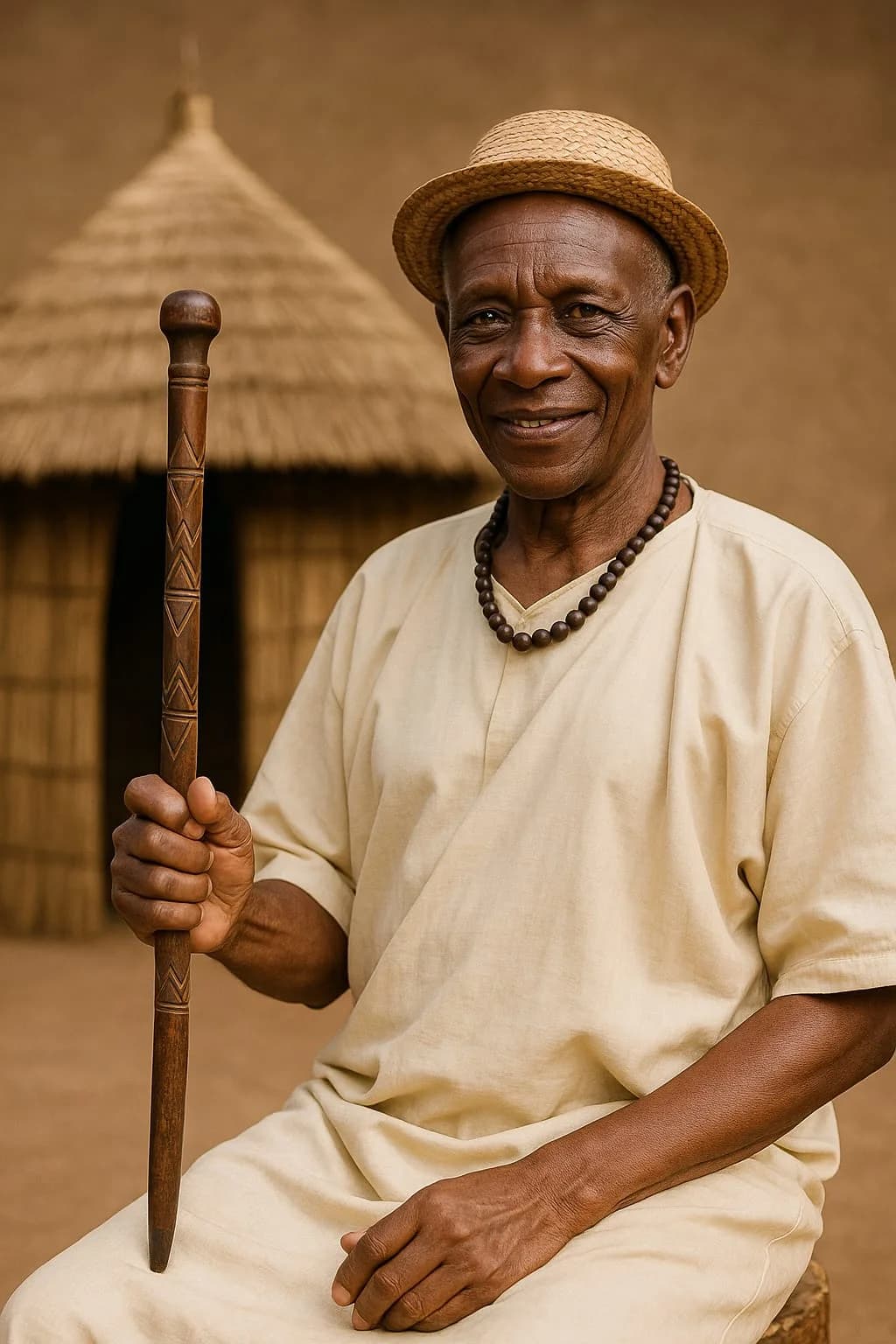
In Rwandan culture, a word is never “just a word.” It carries history, identity, layers of meaning, and the echoes of ancestors. Through the concepts of invo n’invano—the origin and deeper essence of a word—and through Rwanda’s rich library of poetic expressions, the Rwandan language stands among Africa’s most refined and philosophically grounded linguistic treasures. In this cultural feature, Hobe Australia explores how these expressions shaped Rwanda’s identity, how they serve as tools of wisdom, and why they remain vital for Rwandans living both at home and throughout Australia. In Rwanda
In Rwandan culture, a word is never “just a word.” It carries history, identity, layers of meaning, and the echoes of ancestors. Through the concepts of invo n’invano—the origin and deeper essence of a word—and through Rwanda’s rich library of poetic expressions, the Rwandan language stands among Africa’s most refined and philosophically grounded linguistic treasures. In this cultural feature, Hobe Australia explores how these expressions shaped Rwanda’s identity, how they serve as tools of wisdom, and why they remain vital for Rwandans living both at home and throughout Australia. In Rwanda’s traditional linguistic philosophy, invo refers to the origin of a word—how it came into existence and the real-life action, event, or symbolism behind it. Invano refers to the deeper meaning, the cultural lesson, or the moral insight embedded within the word. Together, they reveal not just definitions, but a worldview. For example, inkweto (shoes) comes from kweta, meaning “to prepare or to protect,” symbolizing readiness for life’s journey. Umutima (heart) extends beyond biology to represent kindness, courage, emotional intelligence, and the core of one’s character. Igitondo (morning), derived from gutonda, reflects the calm order that arrives with a new day. Through invo n’invano, words become vessels of living heritage. For generations, Rwandans have communicated wisdom through imagery, metaphor, and rhythm. These expressions—sometimes humorous, sometimes philosophical—act as moral lessons, tools for conflict resolution, methods of generational teaching, cultural identity markers, and sources of emotional guidance. Among the most powerful include: “Agati gacyandagira ntikica umwibi,” meaning a noisy branch does not scare a thief, a reminder to avoid empty pride. “Amaso y’iswa arenza ishyamba,” meaning even an ant sees beyond the forest, celebrating quiet intelligence. “Imbuto nto itera ibiti binini,” meaning a tiny seed grows a mighty tree, teaching that greatness begins small. “Amajyo arabwira, n’utumva akumvisha,” meaning warning signs speak for themselves, showing how truth reveals itself. And “Ijambo riruta inkota,” meaning the word is sharper than the sword, reinforcing dialogue and peace. For Rwandans living across Australia, this linguistic richness remains one of the strongest links to home. Understanding invo n’invano helps preserve cultural identity, especially for children born in Australia. It strengthens family and community bonds by reinforcing unity, respect, and shared values. It builds confidence among young people navigating multicultural environments. It enriches Australia’s diverse cultural landscape. Most importantly, it protects Rwanda’s intangible cultural heritage. Professor Ras Banamungu, founder of the Laughter Percussion Academy, emphasizes the healing aspect of traditional expressions. “Rwandan expressions are healing tools. When spoken, sung, or used in Laughter Percussion, they restore balance, identity, and emotional wellbeing. Our words carry medicine.” This reflects ancient traditions where rhythm, storytelling, and community dialogue played central roles in emotional harmony. International scholars are increasingly drawn to Kinyarwanda, fascinated by its poetic structure, the depth of its proverbs, its role in conflict resolution, its rhythmic influence on psychological healing, and its ties to Nyabinghi spirituality and ancestral wisdom. Rwanda’s language is gaining global recognition for its elegance, order, and philosophical depth. Today, Rwandan expressive language continues to evolve through reggae, Afrobeat, fusion and traditional music, Laughter Percussion therapy, diaspora media such as Ijwi Rishya TV, spoken-word poetry events, community mentorship, mental health programs, youth workshops, and school cultural activities. These modern applications show that traditional speech remains vibrant, relevant, and transformative. Hobe Australia continues to play a central role in cultural preservation by publishing heritage-focused work, supporting youth learning Kinyarwanda, showcasing Rwandan artistic talent, strengthening diaspora unity, and documenting cultural knowledge for future generations. In doing so, it serves as both a guardian of memory and a bridge connecting Rwanda to its global citizens. In the end, invo n’invano reveal the heart of Rwandan thought. Every word has a birthplace. Every expression carries a lesson. Every proverb holds the wisdom of generations. For Rwandans in Australia, embracing this linguistic heritage is an act of strength, unity, and identity. Hobe Australia remains committed to ensuring that the depth and beauty of the Rwandan language continue to inspire, uplift, and educate communities across Australia and beyond.

Comments
No comments yet. Be the first to share a thought.