
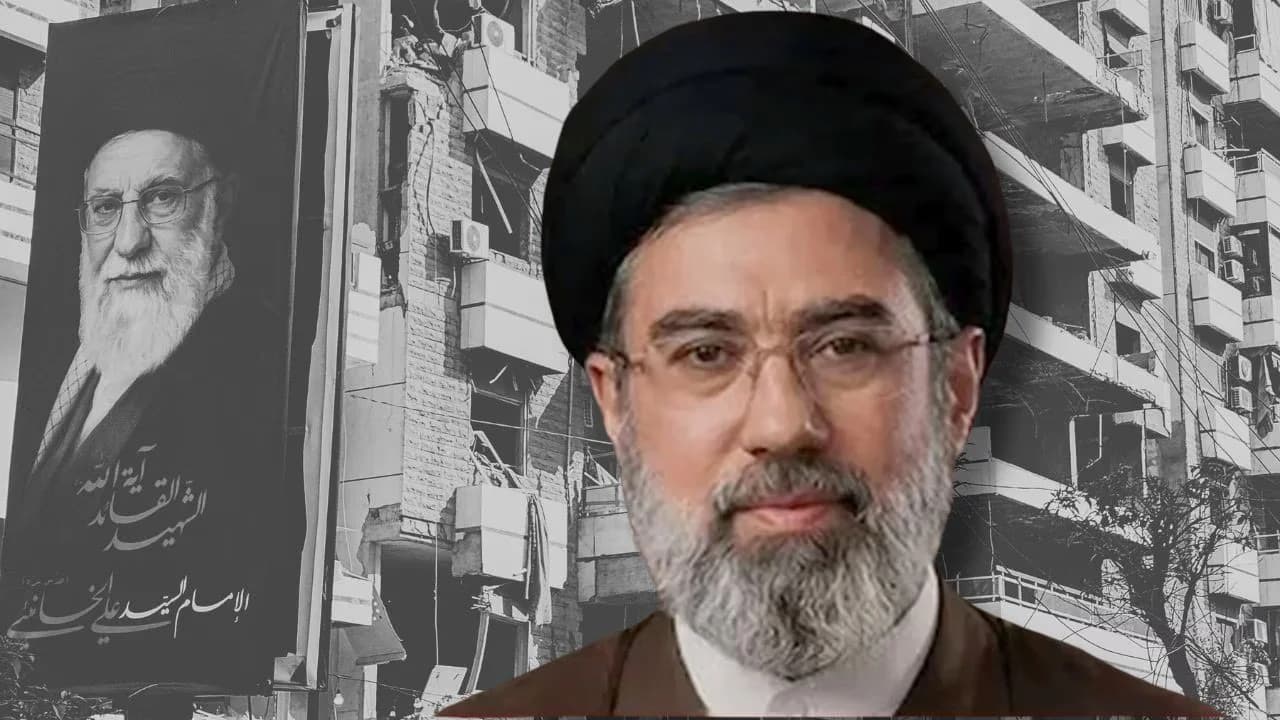
Iran’s clerical establishment has appointed Mojtaba Khamenei as the country’s new Supreme Leader, a pivotal shift in Tehran’s political hierarchy that comes as the war with the United States and Israel enters its second week. The Assembly of Experts, an 88‑member clerical body responsible under Iran’s constitution for choosing the supreme leader, announced on March 8 that it had selected Mojtaba Khamenei, 56, to succeed his father, Ali Khamenei , who was killed on Feb. 28 in a joint U.S.–Israeli strike on Tehran, according to Iranian state media and official statements. Mojtaba Khamenei become
Iran’s clerical establishment has appointed Mojtaba Khamenei as the country’s new Supreme Leader, a pivotal shift in Tehran’s political hierarchy that comes as the war with the United States and Israel enters its second week.
The Assembly of Experts, an 88‑member clerical body responsible under Iran’s constitution for choosing the supreme leader, announced on March 8 that it had selected Mojtaba Khamenei, 56, to succeed his father, Ali Khamenei, who was killed on Feb. 28 in a joint U.S.–Israeli strike on Tehran, according to Iranian state media and official statements.
Mojtaba Khamenei becomes the third supreme leader in the Islamic Republic’s 47‑year history, and his elevation marks the first time the role has passed from father to son.
A cleric with long‑standing ties to the Islamic Revolutionary Guard Corps (IRGC) and conservative elements within Iran’s political establishment, Mojtaba has never held formal elected office, though analysts say he wielded significant influence behind the scenes during his father’s nearly four decades in charge.
The IRGC quickly pledged its allegiance to the new leader, describing him as capable of guiding Iran through “complex political and regional challenges.”
Iran’s state media and senior clerics called for national unity and urged citizens and elites to support the new leader, framing the succession as necessary to preserve stability and resist foreign pressure.
The appointment comes against the backdrop of intensifying conflict in the Middle East, with Iran launching missiles and drones against Israeli and U.S. and allied positions following the strikes that killed the elder Khamenei.
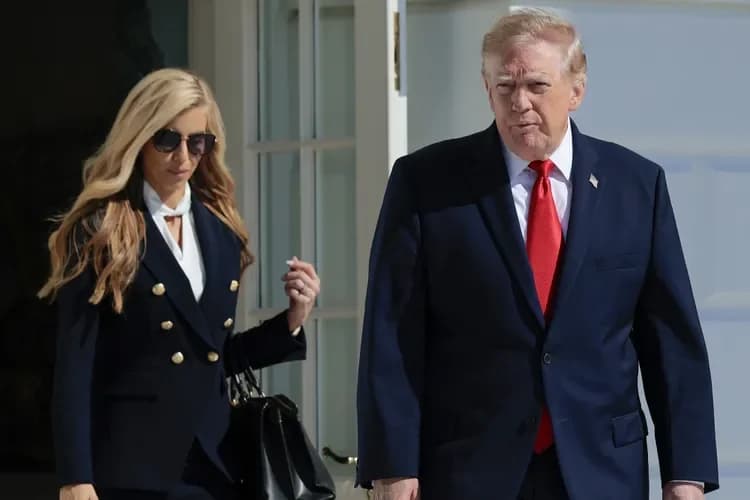
U.S. President Donald Trump said the appointment was "unacceptable" and warned that Mojtaba Khamenei "is not going to last long" without Washington's approval, telling ABC News that the United States must have a say in who leads Iran.
Russian President Vladimir Putin congratulated Mojtaba Khamenei on his appointment, pledging continued "unwavering support" for Tehran amid what the Kremlin described as "severe trials."
China also weighed in, with Beijing saying it opposed any targeting of the new supreme leader. The responses from Moscow and Beijing signal that Iran's two most powerful international backers intend to stand behind the new leadership despite Western pressure.
Analysts warned that Mojtaba's rise, backed by the IRGC, is likely to bolster hardline positions in Tehran and could diminish prospects for negotiation or de-escalation in the near term. "He's going to have a lot of revenge to exact," said Alan Eyre, a former U.S. diplomat and Iran specialist.
State media portray the succession as constitutional and decisive, emphasizing the assembly’s vote and calls for national solidarity. Critics, however, note that the process has raised questions about internal legitimacy and the increased influence of military‑aligned clerics in a wartime context.
As the region braces for further military and diplomatic developments, Mojtaba Khamenei now holds Iran’s ultimate political and religious authority, with broad powers over the country’s armed forces and strategic direction.
Comments
No comments yet. Be the first to share a thought.