
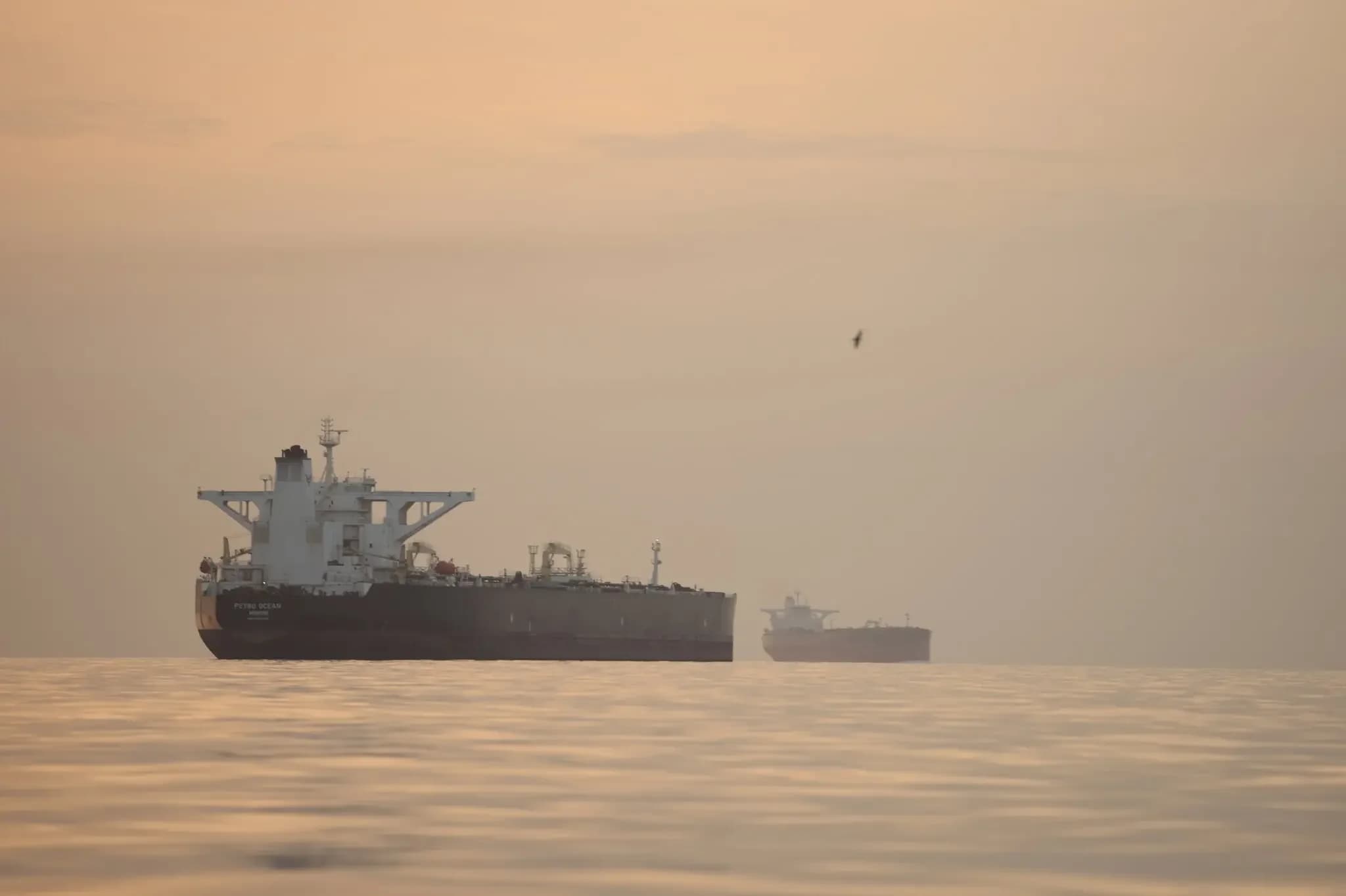
Iran reversed course on Saturday, reasserting strict control over the Strait of Hormuz less than 24 hours after declaring the critical shipping route open to commercial traffic, as two vessels were reported struck in separate incidents. Iran's military said it had returned the strait "to its previous state," stating it would maintain strict control unless the United States ended its blockade of Iranian ports, the New York Times reported. The reversal came after the United Kingdom Maritime Trade Operations organization (U.K.M.T.O), administered by Britain's Royal Navy, recorded two incidents of
Iran reversed course on Saturday, reasserting strict control over the Strait of Hormuz less than 24 hours after declaring the critical shipping route open to commercial traffic, as two vessels were reported struck in separate incidents.
Iran's military said it had returned the strait "to its previous state," stating it would maintain strict control unless the United States ended its blockade of Iranian ports, the New York Times reported.
The reversal came after the United Kingdom Maritime Trade Operations organization (U.K.M.T.O), administered by Britain's Royal Navy, recorded two incidents of vessels being hit. Several ships subsequently reversed course.
In the first incident, gunships operated by Iran's Islamic Revolutionary Guard Corps fired at a tanker without radio warning, though the ship's captain reported the crew were safe. In the second, a container ship was struck by an unknown projectile that damaged some of its containers, according to the U.K.M.T.O.
India's Ministry of External Affairs said it had summoned Iran's ambassador and conveyed deep concern over the incidents, identifying both vessels as Indian-flagged ships. Iran had previously allowed safe passage to Indian merchant vessels, the ministry said.
Danish shipping giant Maersk said its vessels would not transit the strait until it was safe to do so.
Maritime data firm Kpler recorded 19 ships passing through the strait on Friday and early Saturday, describing it as a slight uptick from before, though analyst Dimitris Ampatzidis warned that the risk environment had "clearly intensified" following the reported attacks.
At least 20 vessels have been attacked in recent weeks, according to the International Maritime Agency. Over the past seven days, an average of one ship per day has successfully passed through the strait, according to maritime analysis firm Signal.
"The strait is still in a danger zone," said Maria Bertzeletou, a senior market analyst at Signal. "The next 72 to 96 hours of actual tanker transits will determine whether confidence returns, or remains constrained."
Source: The New York Times



Comments
No comments yet. Be the first to share a thought.