
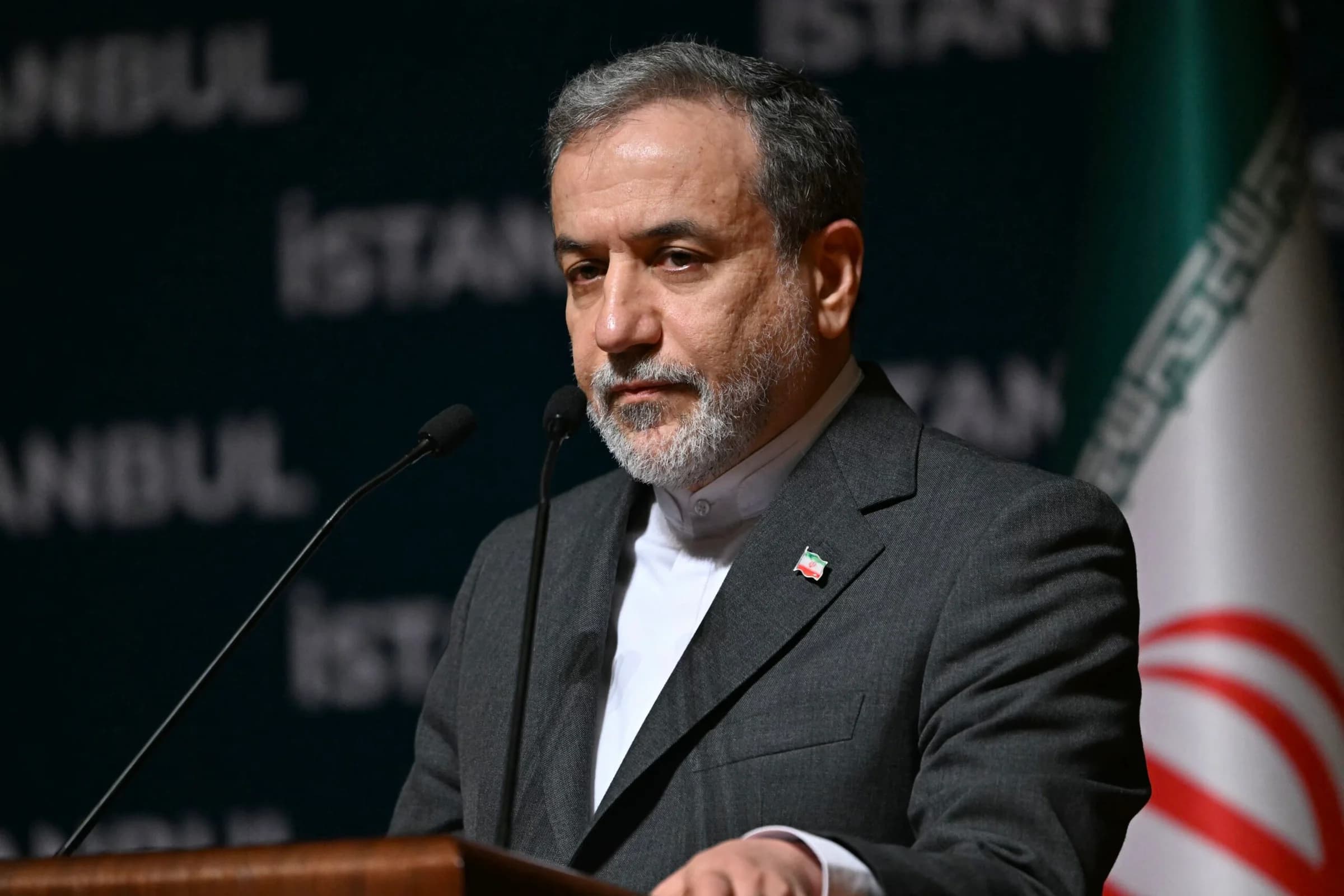
Iran says an agreement with Oman to establish new shipping arrangements through the Strait of Hormuz has reached its final stages, but Tehran insists the strategic waterway will not fully reopen until the United States meets a number of additional conditions. Iranian Foreign Minister Abbas Araqchi said on Sunday that negotiations over the agreement were close to completion. However, he stressed that the deal alone would not automatically restore commercial shipping through the strait, one of the world's most important energy routes. Iran says the Oman-brokered deal on the Strait of Hormuz is i
Iran says an agreement with Oman to establish new shipping arrangements through the Strait of Hormuz has reached its final stages, but Tehran insists the strategic waterway will not fully reopen until the United States meets a number of additional conditions.
Iranian Foreign Minister Abbas Araqchi said on Sunday that negotiations over the agreement were close to completion. However, he stressed that the deal alone would not automatically restore commercial shipping through the strait, one of the world's most important energy routes.
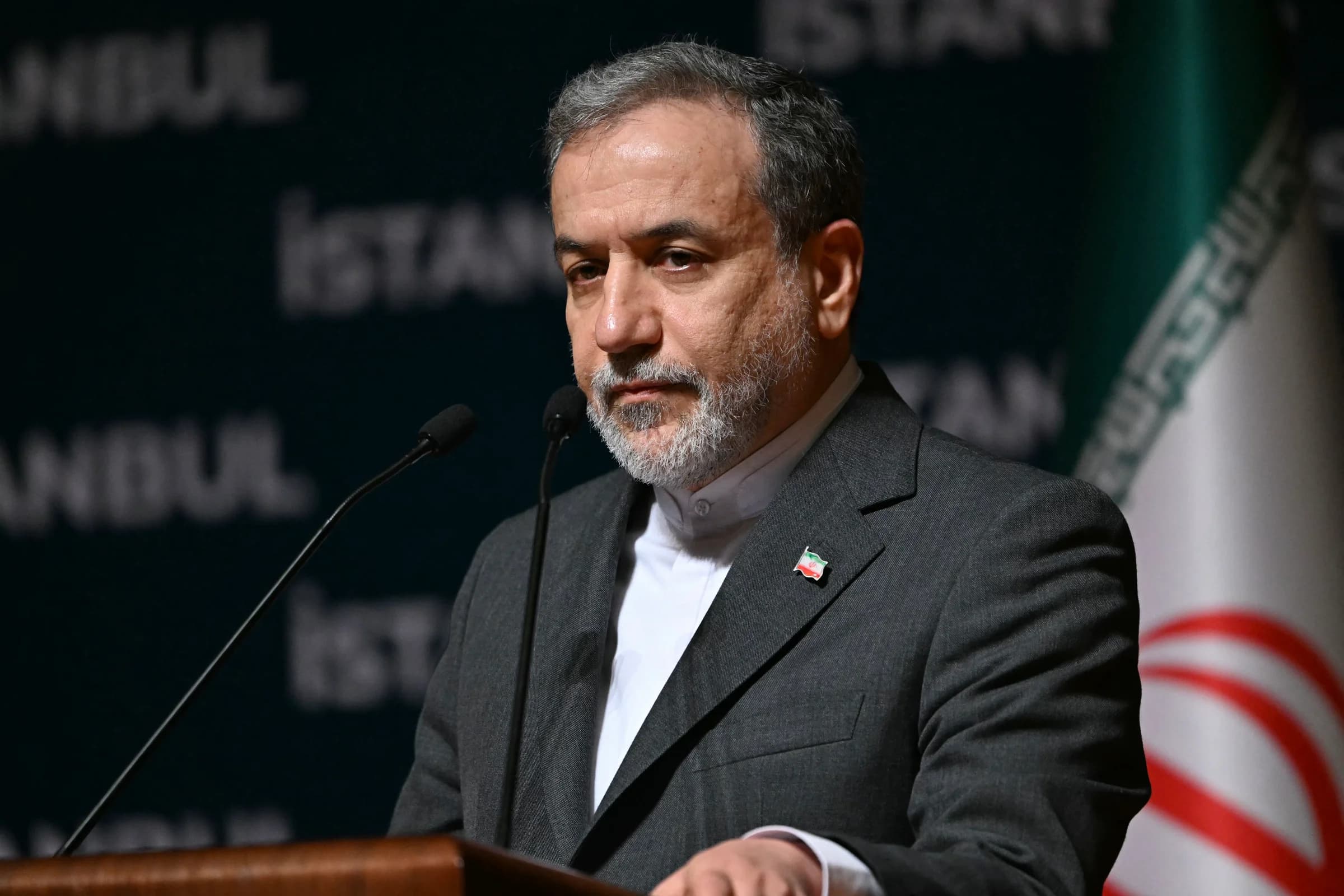
Iran says the Oman-brokered deal on the Strait of Hormuz is in its final stages, but the U.S. must meet key conditions before the waterway can reopen.
The Strait of Hormuz lies between Iran and Oman and normally carries a significant share of global oil and liquefied natural gas shipments. Iran restricted shipping through the waterway following U.S. and Israeli military strikes and has since linked its reopening to wider political and economic demands.
According to Iran's Mehr news agency, Araqchi said the agreement would establish new shipping lanes to be used once the United States fulfils the conditions set by Tehran and the strait is reopened.
Iran and the United States are not currently holding direct negotiations. Araqchi said Tehran would not enter talks with Washington while accusing the U.S. of violating an interim agreement reached in June. Messages between the two sides are instead being exchanged through intermediaries.
Iran Demands Compensation and End to Sanctions
Tehran is demanding more than the restoration of commercial shipping. Araqchi said reopening the strait would depend partly on U.S. compensation for what Iran describes as extensive military attacks.
Iran's top national security officials have also demanded an end to U.S. threats and military action against Iran, the lifting of sanctions and the blockade on Iranian ports, and the release of Iranian assets.
A U.S. official, speaking anonymously, said Washington expects an agreement to restore commercial shipping and indicated that the United States could lift its blockade of Iranian ports as part of a carefully coordinated process.
However, the official said U.S. actions would depend on Iran implementing its own commitments under any agreement.
The situation remains fragile. The United Arab Emirates said on Saturday that Iran had attacked a vessel affiliated with its state oil company while it was operating in the Strait of Hormuz. Tehran has not immediately commented on the incident.
Regional Tensions Continue
The dispute over Hormuz comes amid wider instability across the Middle East.
Iran-backed Houthi forces in Yemen have intensified attacks on shipping and recently declared what they described as a naval blockade against Saudi Arabia. On Sunday, the Houthis said they had launched a drone attack against Saudi Aramco's Jazan refinery.
Saudi authorities confirmed that a fire had broken out at the refinery but said it was later extinguished and that there were no reported injuries. The Saudi Energy Ministry did not immediately identify the cause of the fire.
The Jazan facility has the capacity to process about 400,000 barrels of crude oil per day, making the attack a potential concern for regional energy markets.
The developments also follow a new defence agreement between Saudi Arabia, Turkey and Pakistan, signed amid growing regional tensions. Turkish Foreign Minister Hakan Fidan said the agreement was not directed specifically against Iran but was intended as a broader commitment to regional security.
For now, the future of the Strait of Hormuz remains uncertain. While Iran says the Oman-mediated agreement is nearing completion, the reopening of the crucial shipping route appears to depend on a much broader understanding between Tehran and Washington.



Comments (1)
Great piece, the background section really helped.