
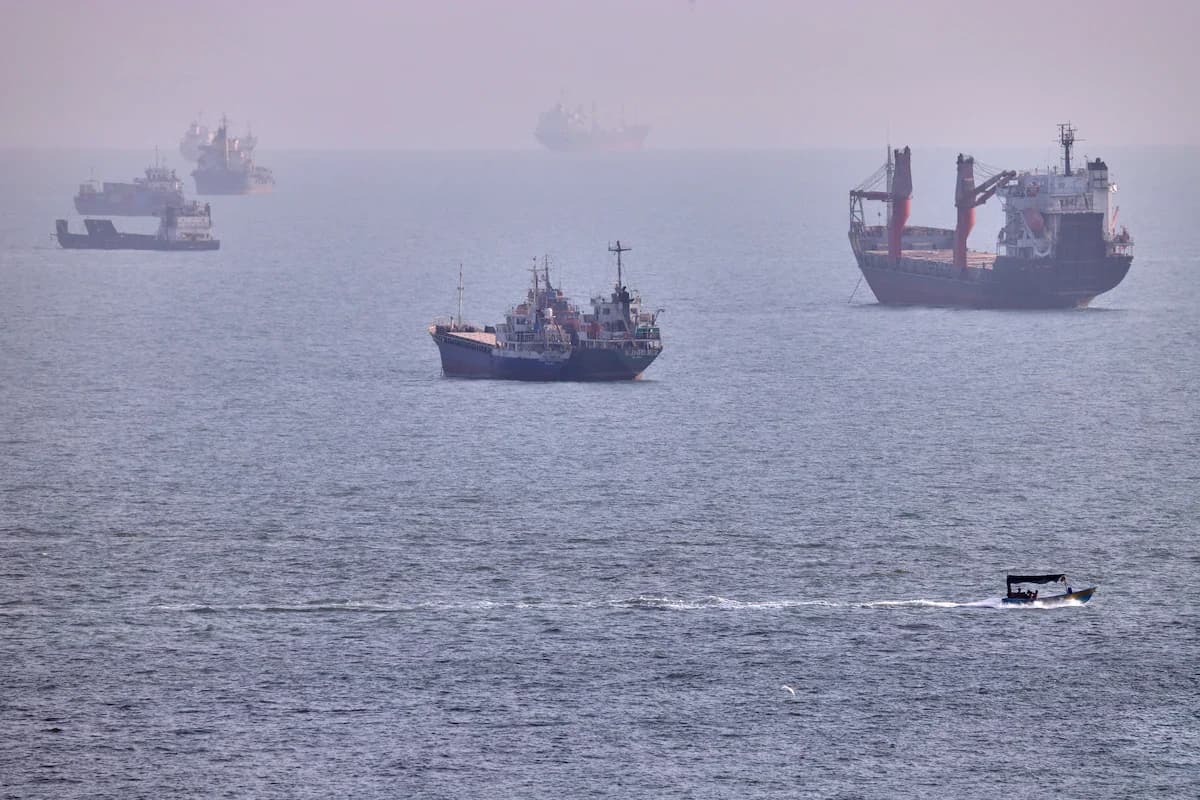
Iran has warned that a developing agreement with Oman to manage maritime traffic through the Strait of Hormuz will not amount to a full reopening of the strategically vital waterway, adding fresh uncertainty to efforts to ease disruptions affecting global energy markets. Iranian officials said negotiations with Oman are progressing toward an arrangement for managing shipping through the strait, but stressed that the agreement would not restore unrestricted passage. The Strait of Hormuz is one of the world’s most important energy routes, carrying a significant share of global oil and gas ship
Iran has warned that a developing agreement with Oman to manage maritime traffic through the Strait of Hormuz will not amount to a full reopening of the strategically vital waterway, adding fresh uncertainty to efforts to ease disruptions affecting global energy markets. Iranian officials said negotiations with Oman are progressing toward an arrangement for managing shipping through the strait, but stressed that the agreement would not restore unrestricted passage. The Strait of Hormuz is one of the world’s most important energy routes, carrying a significant share of global oil and gas shipments. Any prolonged disruption to traffic through the waterway can quickly affect international oil prices and global markets. The latest comments have complicated expectations surrounding the negotiations. U.S. President Donald Trump had previously described developments regarding the strait in more positive terms. Oil prices rose following the remarks from senior Iranian officials, reflecting renewed concerns among traders about the possibility of continued restrictions on shipping through the strategic waterway. Oman has played a diplomatic role in efforts to manage tensions between Iran and other parties involved in the conflict. An agreement focused on regulating maritime traffic could help reduce some uncertainty, but Iran's latest position suggests that a return to completely normal shipping conditions remains unlikely in the immediate future. The developments will be closely watched by energy markets, shipping companies and governments around the world, as any prolonged limitations on the Strait of Hormuz could have wider consequences for fuel prices and global trade.


Comments
No comments yet. Be the first to share a thought.