
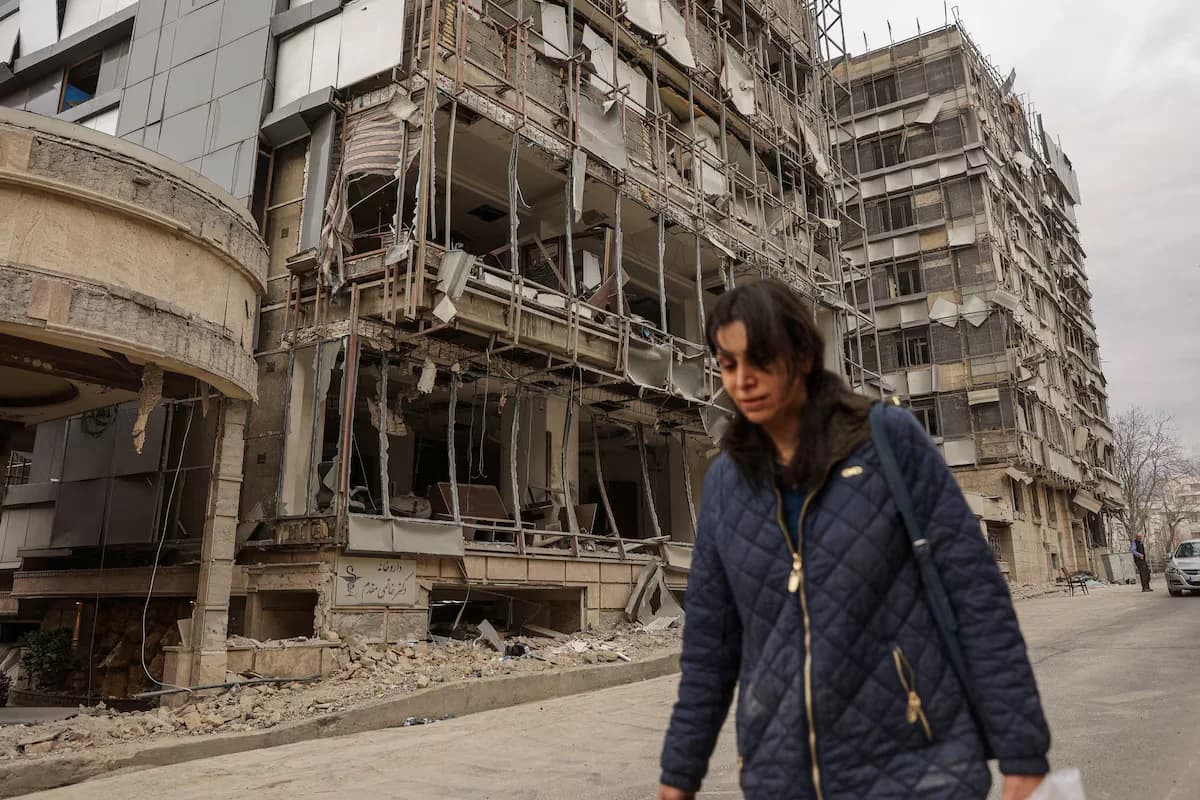
Tensions in the Middle East escalated sharply after Iran warned it would attack any vessel attempting to pass through the strategic Strait of Hormuz, while drones struck the U.S. Embassy in Riyadh, raising fears of a broader regional confrontation. Iran’s Islamic Revolutionary Guard Corps (IRGC) declared the waterway effectively closed, warning that ships entering the corridor would be treated as hostile targets. The Strait of Hormuz carries nearly 20 percent of the world’s traded oil, making any disruption a direct threat to global energy markets. Oil prices climbed sharply following the ann
Tensions in the Middle East escalated sharply after Iran warned it would attack any vessel attempting to pass through the strategic Strait of Hormuz, while drones struck the U.S. Embassy in Riyadh, raising fears of a broader regional confrontation. Iran’s Islamic Revolutionary Guard Corps (IRGC) declared the waterway effectively closed, warning that ships entering the corridor would be treated as hostile targets. The Strait of Hormuz carries nearly 20 percent of the world’s traded oil, making any disruption a direct threat to global energy markets. Oil prices climbed sharply following the announcement, reflecting investor anxiety over supply instability.
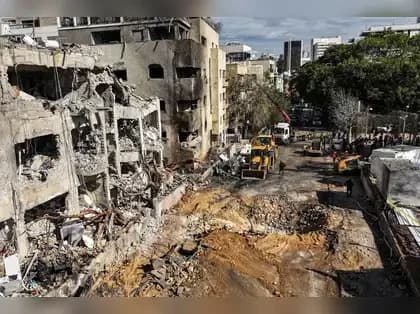
The escalation comes amid rising hostilities between Tehran, the United States, and Israel. Israeli Prime Minister Benjamin Netanyahu issued a stern warning, stating, “We will not allow Iran to threaten international shipping lanes or destabilize the region. Any aggression will be met with decisive force.” He added, “Israel stands ready to defend itself and its allies against those who seek chaos and destruction.” Meanwhile, drones targeted the U.S. Embassy compound in Riyadh, the capital of Saudi Arabia. Authorities reported minor structural damage and a contained fire within the premises, with no confirmed casualties. The attack signals a widening battlefield, extending beyond direct military sites to diplomatic installations. Regional governments have heightened security, and international leaders are urging restraint to avoid a full-scale war. Analysts caution that prolonged disruption in the Gulf could have far-reaching economic consequences, particularly if maritime trade routes remain under threat. As rhetoric intensifies and military posturing grows, the crisis underscores the fragile balance of power in the region, and the mounting risk of a conflict with global repercussions.



Comments
No comments yet. Be the first to share a thought.