
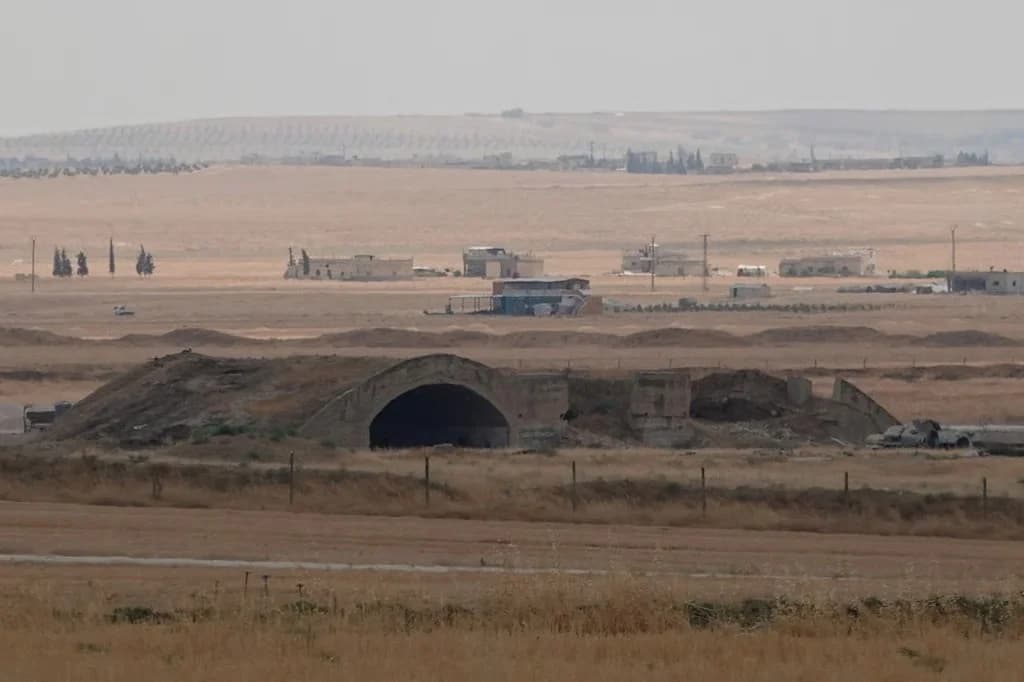
Tensions between Israel and Turkey are rising after Israeli airstrikes targeted the Abu Al-Duhur military airbase in northwestern Syria, in a move Israeli Prime Minister Benjamin Netanyahu described as a warning against Turkey expanding its military presence in the country. The strikes, carried out near the Turkish border, have raised concerns that growing competition between Ankara and Tel Aviv over Syria could eventually lead to a direct confrontation. The attack reportedly involved eight strikes on the airbase in Idlib province, which Israel said was being prepared for a greater Turkish mi
Tensions between Israel and Turkey are rising after Israeli airstrikes targeted the Abu Al-Duhur military airbase in northwestern Syria, in a move Israeli Prime Minister Benjamin Netanyahu described as a warning against Turkey expanding its military presence in the country. The strikes, carried out near the Turkish border, have raised concerns that growing competition between Ankara and Tel Aviv over Syria could eventually lead to a direct confrontation. The attack reportedly involved eight strikes on the airbase in Idlib province, which Israel said was being prepared for a greater Turkish military role. Netanyahu's government said Israel had repeatedly warned Syria against allowing Turkish forces to deploy at the facility, arguing that such a move would threaten Israeli security. Netanyahu later said the strikes were intended to make clear that Israel would not accept a Turkish military presence moving farther south in Syria. The episode has also alarmed Washington. US special envoy for Syria and Iraq Tom Barrack warned that Israel's aircraft had approached areas monitored by Turkish air defences without prior notification, creating a situation in which Turkey could have responded militarily. The danger is particularly significant because Turkey is a major NATO military power and has maintained a substantial security presence in northern Syria for years. A miscalculation involving Israeli and Turkish forces could therefore create a much wider regional crisis. Turkey has rejected Israel's claims of an expanding military threat. President Recep Tayyip Erdogan accused Netanyahu of pursuing destabilising and expansionist policies, particularly ahead of Israel's upcoming election. Analysts say neither side appears to be seeking a full-scale war, but the competing security interests are making accidental escalation increasingly possible. Israel wants to prevent Syria from rebuilding military capabilities that could threaten it, while Turkey seeks greater influence over Syria's security and political future. The latest strikes therefore signal a potentially dangerous new phase in Israel-Turkey relations, with Syria emerging as the main arena of competition. Without clear limits on military activity, analysts warn that another incident could push the two countries closer to a direct confrontation.
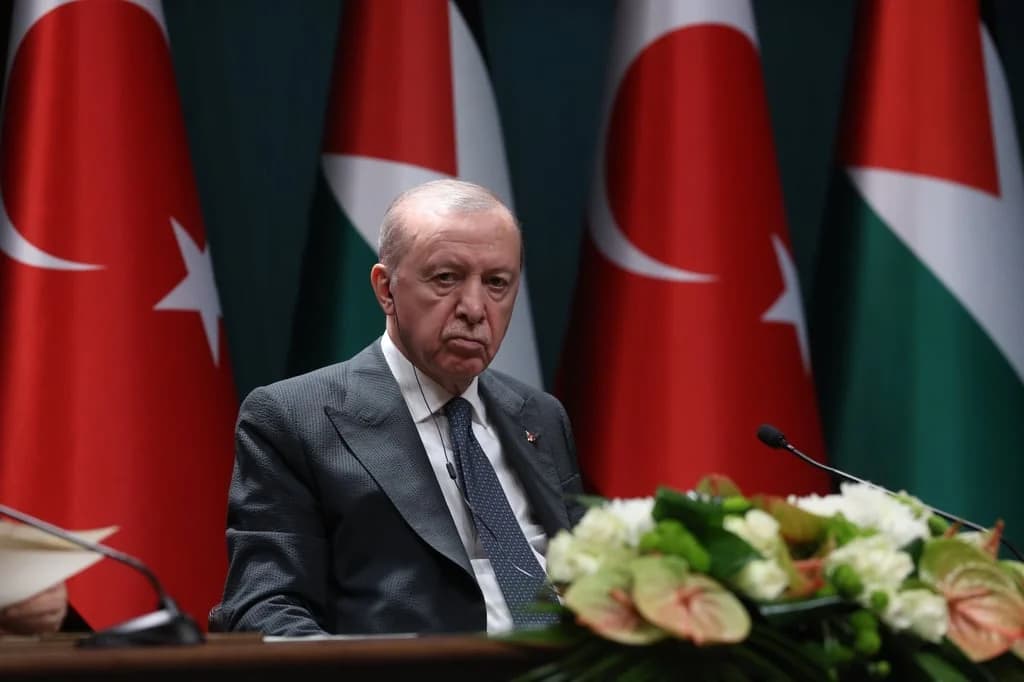
Turkish President Recep Tayyip Erdogan speaks during a press conference in Ankara earlier this month, as tensions with Israel over Syria continue to rise.
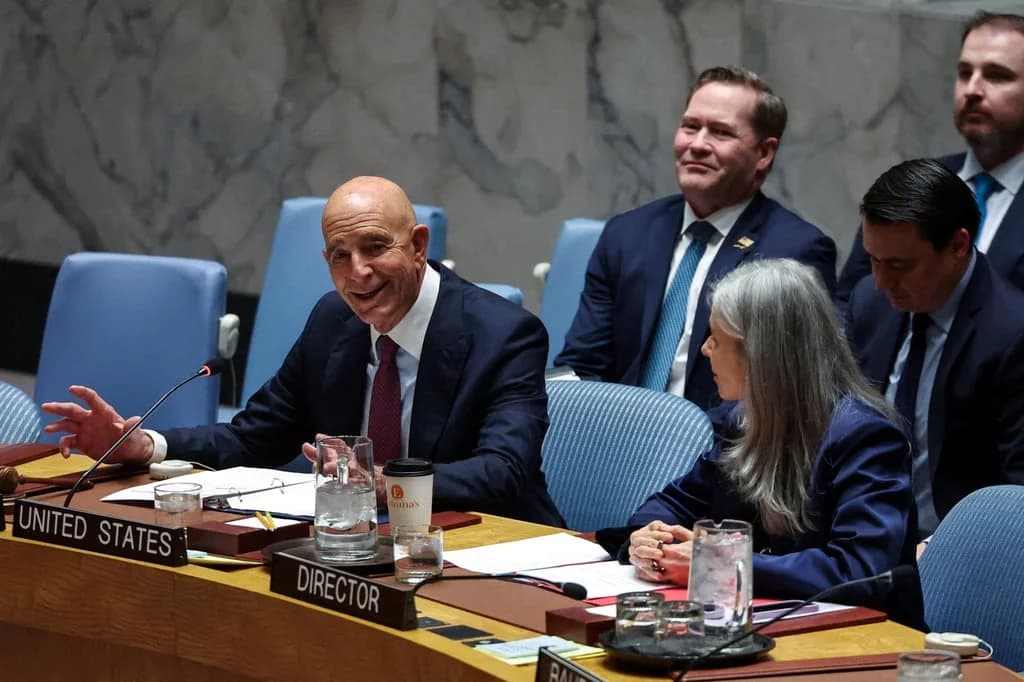
US envoy Tom Barrack speaks during a UN Security Council meeting on the Middle East at UN headquarters in New York in March.
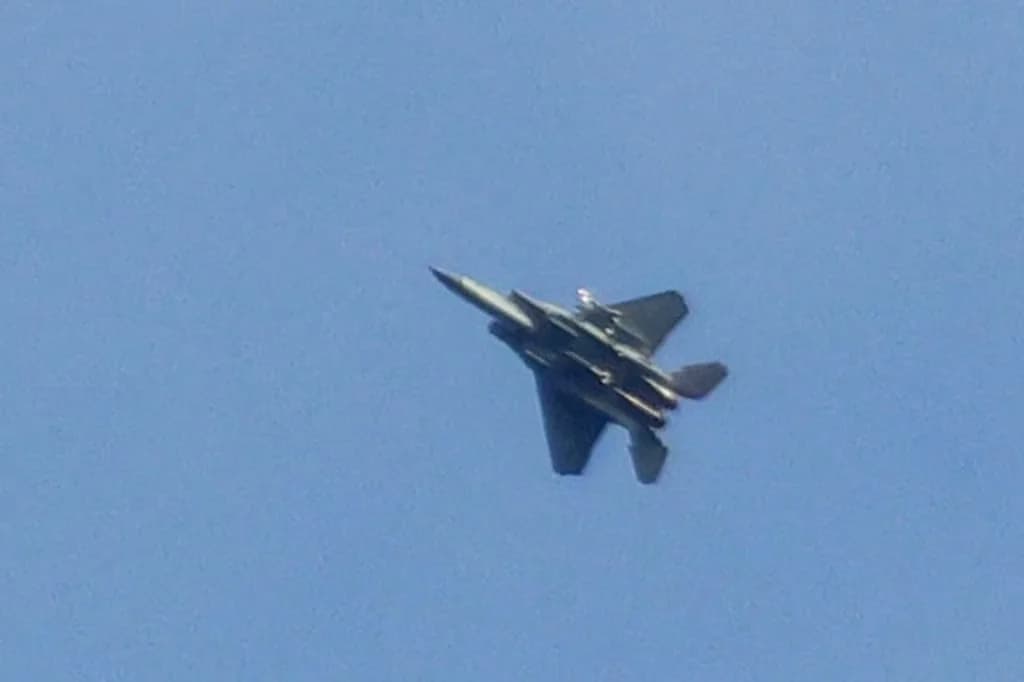
An Israeli fighter jet flies over southern Lebanon in April, as Israel later carried out airstrikes on a Syrian military airfield near the Turkish border.



Comments
No comments yet. Be the first to share a thought.