

President Paul Kagame’s role in the African Union’s institutional reform process placed a fundamental question at the centre of Pan-Africanism: Can Africa build institutions capable of financing, governing and solving its own problems? In 2016, African Union leaders appointed Kagame to lead a review of the Union’s institutional structure and effectiveness. The reform agenda sought to create a more focused, accountable and financially sustainable AU, while strengthening the continent’s capacity to take responsibility for its own priorities. The reforms came against a longstanding challenge.
President Paul Kagame’s role in the African Union’s institutional reform process placed a fundamental question at the centre of Pan-Africanism:
Can Africa build institutions capable of financing, governing and solving its own problems?
In 2016, African Union leaders appointed Kagame to lead a review of the Union’s institutional structure and effectiveness. The reform agenda sought to create a more focused, accountable and financially sustainable AU, while strengthening the continent’s capacity to take responsibility for its own priorities. The reforms came against a longstanding challenge. Although the AU was created to advance African unity and cooperation, significant parts of its programmes and peace and security activities have historically relied on external funding. For Kagame and other reform advocates, greater political independence required greater financial and institutional ownership. One of the most significant areas of progress has been the revitalisation of the
African Union Peace Fund
. The Fund is designed to support African-led responses to conflicts and other peace and security challenges. As part of the broader reform agenda, African countries also adopted a 0.2 percent levy on eligible imports to strengthen the Union’s financial base. By 2024, the Peace Fund had mobilised hundreds of millions of dollars, moving closer to its US$400 million target. The progress represented more than a financial milestone. It demonstrated that African states can collectively mobilise resources for continental priorities and strengthen the foundations of African-led peace and security. However, attributing these achievements solely to Kagame would overlook the collective nature of the African Union. The reforms were adopted by African heads of state and implemented through AU institutions, Member States and partners. Kagame’s contribution was principally his leadership of the reform process and his advocacy for greater efficiency, accountability and self-reliance. The reform journey also remains unfinished. In 2024, the AU appointed Kenya’s President William Ruto to continue advancing outstanding reforms, reflecting the need for institutional change to survive beyond individual leaders. The broader lesson is significant:
Pan-Africanism cannot depend only on speeches about unity. It must be reflected in institutions, financing and decision-making.
Kagame’s AU reform legacy can therefore be understood as part of a wider continental effort to transform Pan-African ideals into practical capacity so that Africa can increasingly shape, finance and protect its own future.
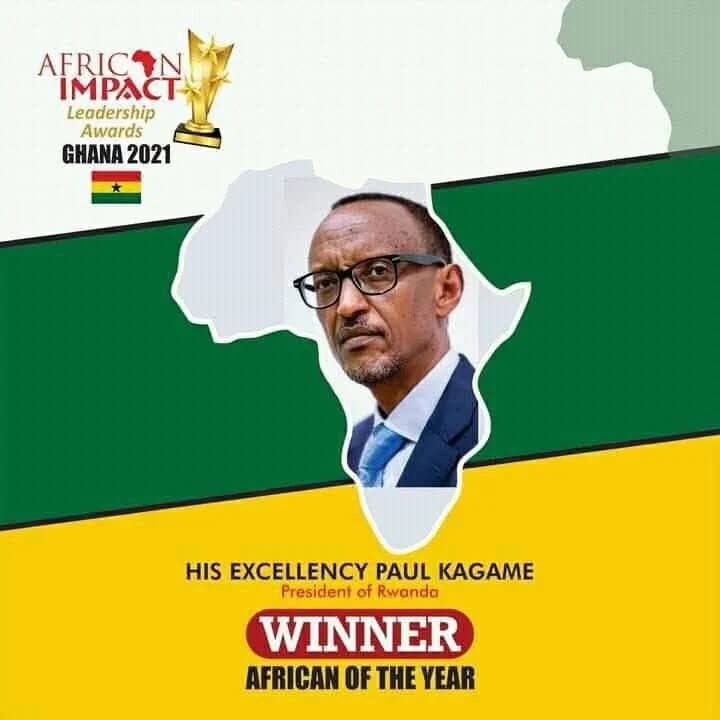
President Paul Kagame’s AU reform journey put African ownership and institutional self-reliance at the centre of the continental agenda.


Comments
No comments yet. Be the first to share a thought.