
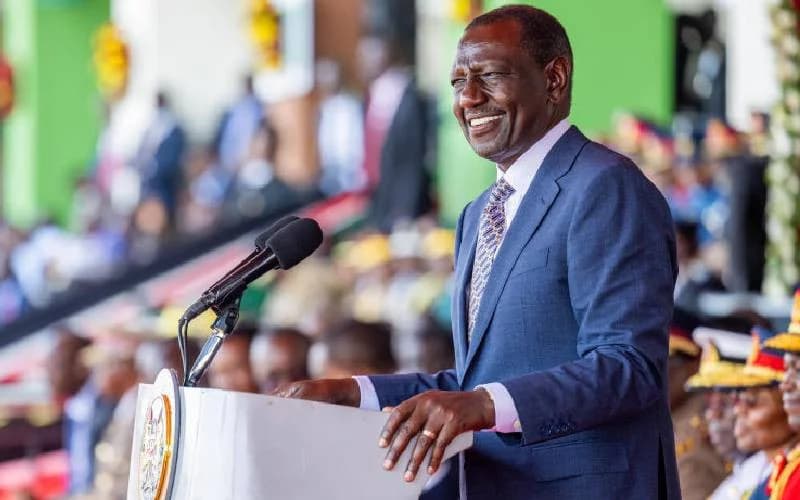
In recent political discourse, Kenya has witnessed a flurry of statements and actions from various leaders, each with its own implications for the nation's unity and progress. One notable occurrence is the exchange between Deputy President William Ruto and some political figures regarding the issue of tribal politics versus national unity. In a timely response to the call for unity in the Mt Kenya region by Nyeri Town MP Ngunjiri Wambugu and Mathira MP Rigathi Gachagua, Deputy President William Ruto took a firm stance against the perpetuation of tribal politics. This comes in the wake of incr
In recent political discourse, Kenya has witnessed a flurry of statements and actions from various leaders, each with its own implications for the nation's unity and progress. One notable occurrence is the exchange between Deputy President William Ruto and some political figures regarding the issue of tribal politics versus national unity. In a timely response to the call for unity in the Mt Kenya region by Nyeri Town MP Ngunjiri Wambugu and Mathira MP Rigathi Gachagua, Deputy President William Ruto took a firm stance against the perpetuation of tribal politics. This comes in the wake of increasing concerns over the divisive nature of ethnic-based politics and its detrimental effects on Kenya's socio-political fabric. Ruto's critique of leaders promoting tribal politics underscores the need for a paradigm shift in Kenya's political landscape. By addressing the issue head-on, Ruto not only highlights the importance of national cohesion but also signals a departure from the traditional rhetoric that often pits communities against each other for political gain. The call for unity in the Mt Kenya region, spearheaded by Gachagua, is significant in its recognition of the need for collective action beyond tribal lines. It emphasizes the shared interests and aspirations of all Kenyans, irrespective of their ethnic backgrounds. Such initiatives are crucial for fostering inclusivity and building a more cohesive society where every citizen feels valued and represented. Ruto's stance aligns with the broader goal of building a united Kenya where ethnicity does not dictate political allegiances or opportunities. It sends a clear message to leaders across the country that the era of exploiting tribal sentiments for political mileage is outdated and counterproductive. Instead, the focus should be on policies and initiatives that promote national development and address the needs of all Kenyans equitably. Furthermore, Ruto's condemnation of tribal politics serves as a reminder of the challenges that lie ahead in achieving true national unity. While calls for unity are commendable, they must be accompanied by concrete actions and policies that foster inclusivity and address the root causes of ethnic tensions. Moving forward, it is imperative for political leaders at all levels to prioritize the interests of the nation above personal or ethnic agendas. This requires a commitment to dialogue, compromise, and collaboration in pursuit of common goals. Only through genuine efforts to bridge ethnic divides and promote national cohesion can Kenya realize its full potential as a united and prosperous nation. In conclusion, Deputy President William Ruto's condemnation of tribal politics amidst calls for unity in the Mt Kenya region marks a significant step towards fostering national cohesion. By challenging the status quo and advocating for a politics of inclusivity, Ruto sets a positive example for leaders across the country to emulate. It is now incumbent upon all stakeholders to heed this call and work towards building a Kenya where unity, not division, defines our collective identity and destiny.
Comments
No comments yet. Be the first to share a thought.