
Akagera National Park in eastern Rwanda recently gained international recognition after being listed among the world’s 25 must-visit destinations for 2026 by National Geographic. As the festive season approaches, Akagera stands out as one of the most attractive travel destinations in the region, offering a perfect escape for nature and wildlife enthusiasts. In a recent feature highlighting Rwanda’s unique tourist sites, Hobe Australia spotlighted Akagera National Park, renowned as the home of Africa’s “Big Five.” Located in Rwanda’s Eastern Province, Akagera is the country’s largest national
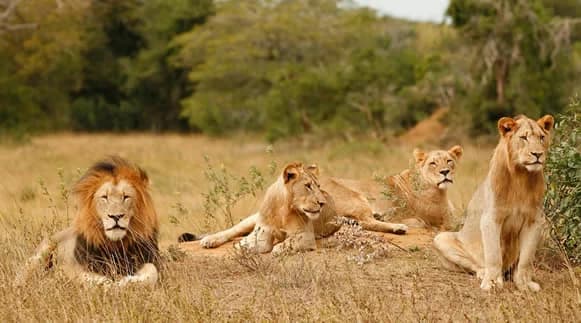
Akagera National Park in eastern Rwanda recently gained international recognition after being listed among the world’s 25 must-visit destinations for 2026 by National Geographic. As the festive season approaches, Akagera stands out as one of the most attractive travel destinations in the region, offering a perfect escape for nature and wildlife enthusiasts. In a recent feature highlighting Rwanda’s unique tourist sites, Hobe Australia spotlighted Akagera National Park, renowned as the home of Africa’s “Big Five.” Located in Rwanda’s Eastern Province, Akagera is the country’s largest national park and one of the biggest in East Africa. It spans the districts of Kayonza, Gatsibo, and Nyagatare, sharing a border with Tanzania. Established in 1934, the park derives its name from the Akagera River, which flows along its eastern boundary and marks the border with Tanzania. The park hosts over 12,000 large mammals, including lions, leopards, elephants, rhinos, and buffaloes, as well as zebras, giraffes, antelopes, and hundreds of bird species. Covering 1,200 square kilometers, one-third of which is made up of lakes and wetlands, Akagera offers visitors a rich mix of savannah, woodland, and aquatic habitats. Birdwatchers can spot several Lake Victoria–endemic species such as the red-faced barbet and the papyrus gonolek. Since African Parks assumed management in 2010, Akagera has undergone a remarkable transformation. Poaching has dropped to record lows, aided by modern conservation measures such as the use of helicopters, canine units, and dedicated rhino trackers. The park has successfully reintroduced lions from South Africa and rhinos, including 18 eastern black rhinos and over 70 white rhinos. Today, Akagera thrives with diverse wildlife — lions, elephants, buffaloes, giraffes, zebras, leopards, hippos, and large crocodiles, particularly in Lake Ihema, Rwanda’s second-largest lake after Lake Kivu. Located just a two-hour drive from Kigali, Akagera can easily be visited as a day trip, making it an accessible adventure for both local and international tourists. In 2024, the park welcomed more than 56,000 visitors, including over 48,000 paying guests, according to park management. Rwandans accounted for 45 percent of these visitors, reflecting strong domestic interest. The park generated $4.7 million in revenue that year, with projections expected to reach $4.9 million in 2025. Rwanda is home to four national parks: Akagera in the east; Volcanoes National Park in the northwest, famous for mountain gorillas; Nyungwe National Park in the southwest, known for its tropical rainforest; and Gishwati-Mukura National Park in the west, another biodiverse rainforest ecosystem.
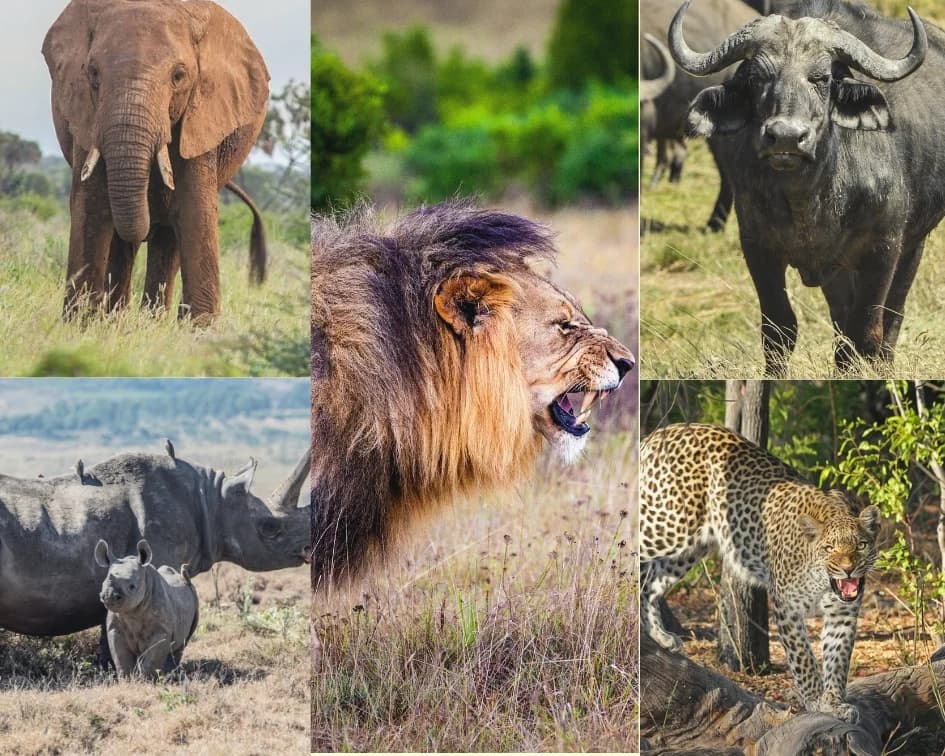
The 5 big animals in Akagera National Park
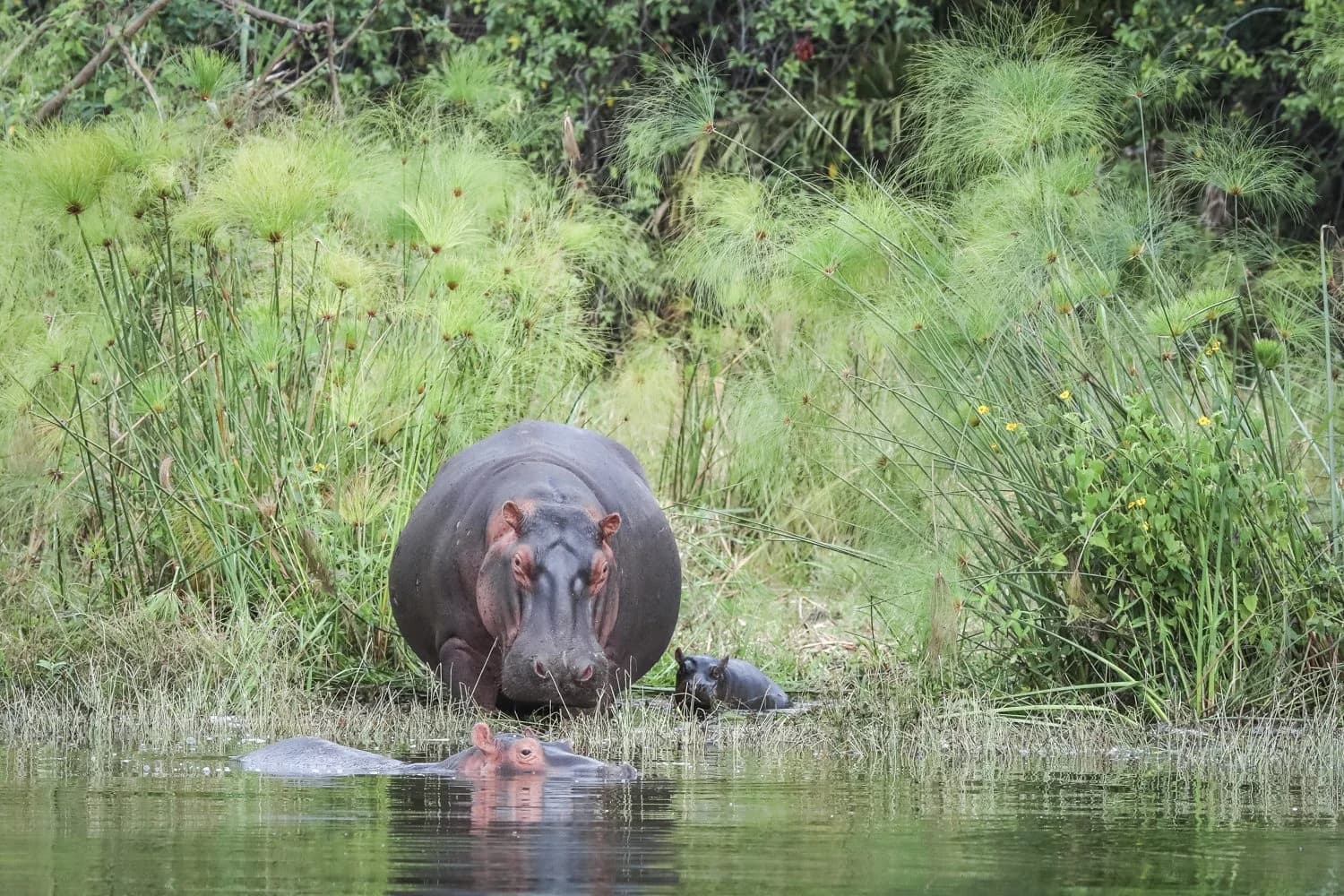
Hippo one of big mammal live in water bodies located in Akagera National Park
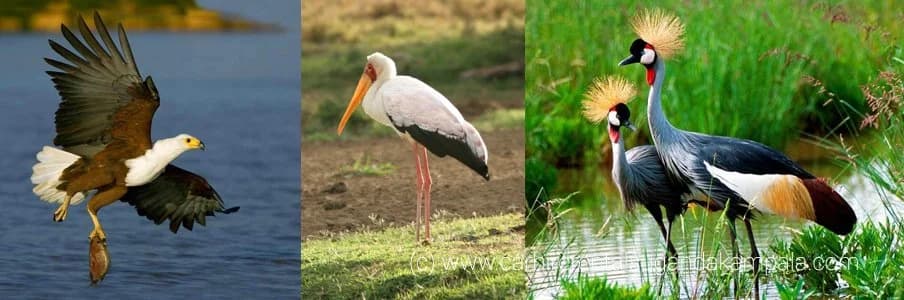
Some of birds species in Akagera National Park



Comments
No comments yet. Be the first to share a thought.