
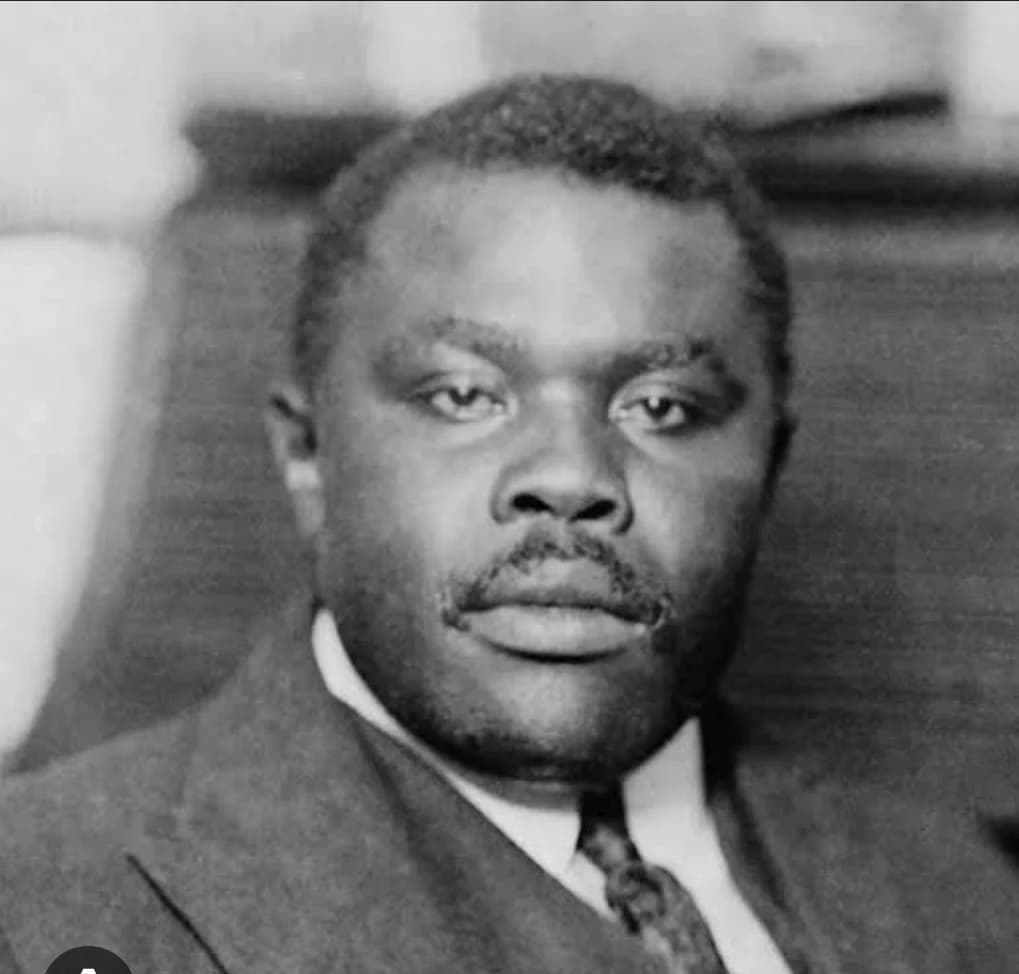
In the annals of history, few figures stand as tall as Marcus Garvey, a man whose vision and unyielding determination transformed the global consciousness of African identity, pride, and self-reliance. His profound words, "The greatest possession of man is character," encapsulate the essence of his philosophy—one that continues to inspire generations seeking empowerment, justice, and self-determination. At a time when material wealth and power often define success, Garvey’s statement reminds us of the enduring value of character. Character encompasses integrity, resilience, honesty, and moral
In the annals of history, few figures stand as tall as Marcus Garvey, a man whose vision and unyielding determination transformed the global consciousness of African identity, pride, and self-reliance. His profound words, "The greatest possession of man is character," encapsulate the essence of his philosophy—one that continues to inspire generations seeking empowerment, justice, and self-determination. At a time when material wealth and power often define success, Garvey’s statement reminds us of the enduring value of character. Character encompasses integrity, resilience, honesty, and moral fortitude—qualities that determine how individuals face adversity, interact with society, and contribute to the world. Garvey himself was the embodiment of this belief. Born in 1887 in Jamaica, he rose from humble beginnings to lead one of the most influential movements of the early 20th century: the Universal Negro Improvement Association (UNIA). He championed the idea that true wealth was not found in material possessions but in the strength of one's character and the ability to uplift others. Throughout history, character has been the defining trait of great leaders. Garvey understood that no empire, organization, or movement could thrive without individuals of integrity at its core. His movement aimed to instill pride in African heritage, urging people of African descent to reject inferiority complexes imposed by colonialism and systemic racism. He encouraged economic empowerment, self-sufficiency, and the establishment of black-owned businesses, believing that character, not external circumstances, was the foundation of success. His philosophy was simple but profound: with strong character, individuals could break free from oppression and carve their destinies. More than a century after Garvey’s rise to prominence, his teachings remain relevant. In a world filled with fleeting distractions, shifting moral compasses, and economic instability, his emphasis on character serves as a guiding principle. Integrity in leadership, resilience in the face of adversity, and a commitment to ethical living continue to be pillars of sustainable success. From civil rights activists to entrepreneurs, educators to artists, those who leave a lasting impact on society are not necessarily those with the most wealth or status but those with an unwavering sense of purpose and character. Garvey's message is a clarion call to individuals and communities to build a foundation based on self-respect, unity, and determination. As we reflect on Garvey’s words, we are reminded of our responsibility to cultivate character in our personal and professional lives. Whether in business, politics, or community leadership, integrity must remain at the forefront. Garvey’s legacy challenges us to ask: Are we building wealth at the expense of our values? Are we leading with honesty and justice? Are we shaping the future with character as our most prized possession? If Garvey were alive today, he would likely urge us to rise above societal limitations, embrace our cultural identity, and walk boldly in our convictions. His wisdom, etched in history, remains a beacon of light for those who seek to transform their lives and the world around them. "The greatest possession of man is character." May we never forget it.



Comments
No comments yet. Be the first to share a thought.