
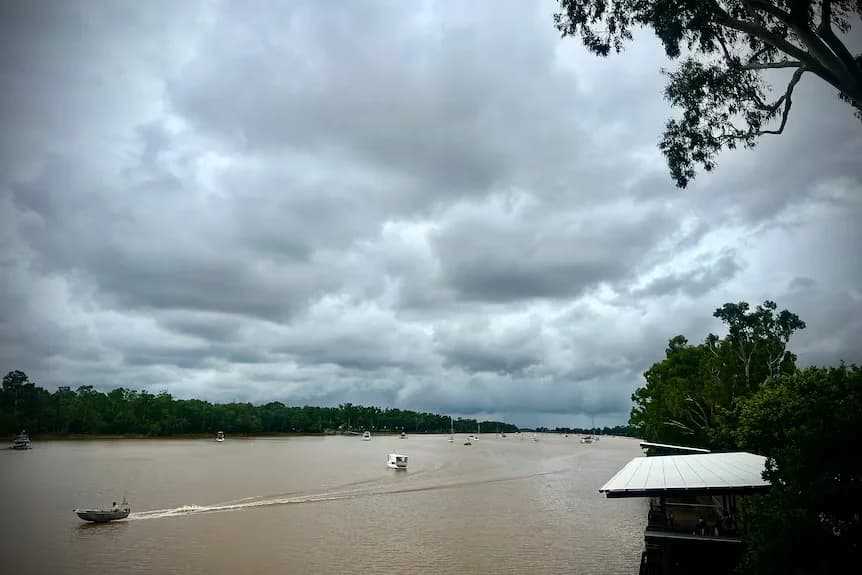
Northern Queensland is bracing for another round of heavy rainfall after already experiencing a soaking wet week that dumped 50 to 200 millimeters across much of the region. The Bureau of Meteorology warns that above-average rainfall is likely for much of Queensland over the coming fortnight, with surface troughs and tropical moisture continuing to bring severe thunderstorms and heavy downpours. Parts of northern Queensland have already been hammered this week. Severe thunderstorms brought isolated flash flooding to the Wide Bay and Burnett regions, and the Central Highlands and Coalfields dis
Northern Queensland is bracing for another round of heavy rainfall after already experiencing a soaking wet week that dumped 50 to 200 millimeters across much of the region.
The Bureau of Meteorology warns that above-average rainfall is likely for much of Queensland over the coming fortnight, with surface troughs and tropical moisture continuing to bring severe thunderstorms and heavy downpours.
Parts of northern Queensland have already been hammered this week. Severe thunderstorms brought isolated flash flooding to the Wide Bay and Burnett regions, and the Central Highlands and Coalfields districts. Some areas on Queensland's southeast coast received between 200 and 300 millimeters of rain in just seven days.
The wet weather has been driven by tropical moisture combining with surface troughs, creating unstable conditions perfect for heavy rainfall and thunderstorms. Several sites in the north have recorded their highest February daily rainfall on record.
The forecast shows above-average rainfall is likely (60 to 70 percent chance) continuing through late February, particularly for eastern Queensland. March could see increased chances of more rain across parts of the state.
The ongoing wet season brings benefits and challenges. While the rain is welcome for farmers and grazers after dry conditions, it's also causing flooding problems. Ongoing flooding continues to impact parts of western and northern Queensland, with roads closed and some communities isolated.
Maximum temperatures are likely to stay below average for much of northern Queensland, associated with the enhanced rainfall and increased cloud cover. The Bureau says February to April falls within the wet season for northern Australia when high-impact rainfall events regularly occur.
Residents across northern Queensland are urged to monitor weather warnings, avoid driving through floodwaters, and prepare for potential flooding as more rain arrives.



Comments
No comments yet. Be the first to share a thought.