
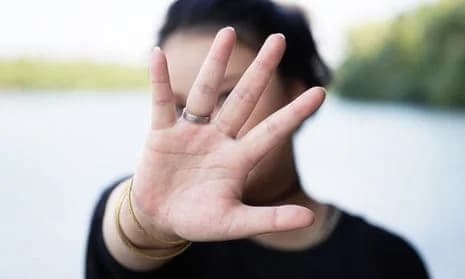
In an era dominated by relentless selfie culture and algorithmic validation, a quiet rebellion is brewing. Many people are deliberately choosing to keep their faces off their public social media feeds. This fascinating trend, often overlooked in the rush to digital visibility, is not just about shyness, it's about a fundamental shift in how we relate to our own identity in the digital age. What drives this choice, and what can we learn from the people who opt-out of the visual parade? Our online lives have become inextricably linked with visual self presentation. The pressure to curates, filt
In an era dominated by relentless selfie culture and algorithmic validation, a quiet rebellion is brewing. Many people are deliberately choosing to keep their faces off their public social media feeds. This fascinating trend, often overlooked in the rush to digital visibility, is not just about shyness, it's about a fundamental shift in how we relate to our own identity in the digital age. What drives this choice, and what can we learn from the people who opt-out of the visual parade? Our online lives have become inextricably linked with visual self presentation. The pressure to curates, filter, and broadcast every notable moment and face can be overwhelming. As social media platforms prioritize photo and video content, a person's digital value is often measured in likes on their latest portrait. This raises a crucial question, What happens to those who simply refuse to play this game?
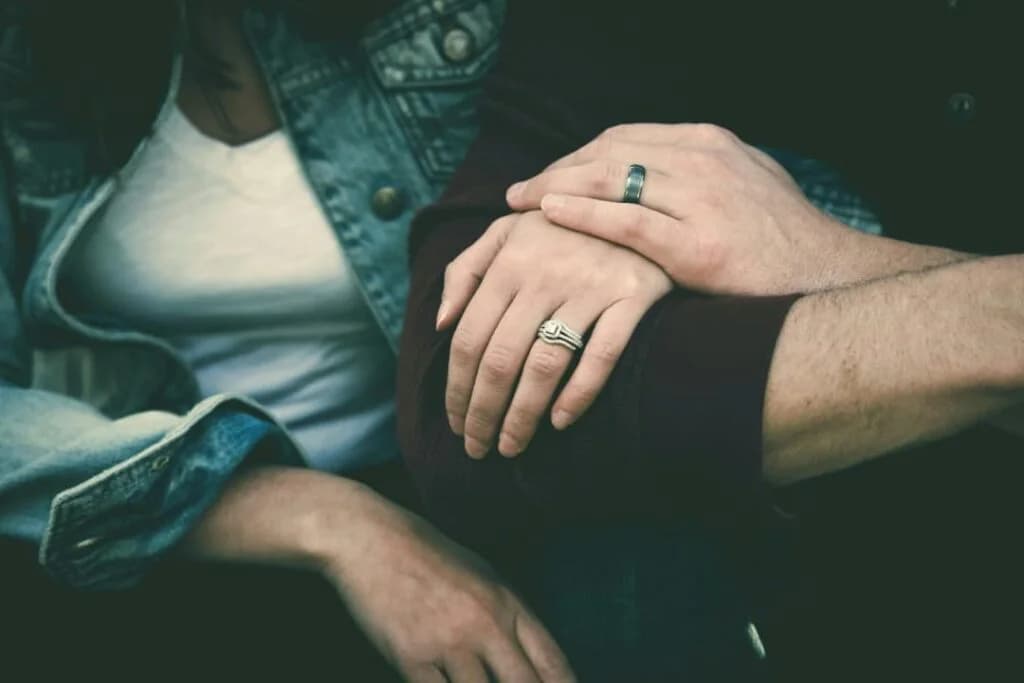
According to Wikipedia, it is a common misconception that those who refrain from posting photos are merely camera shy or insecure. While these factors may play a part for some, research and expert opinion suggest that the decision is often far more complex and intentional. For many, it's a strategic move to regain control over their public narrative and, crucially, to maintain a clear boundary between their personal lives and their digital footprint. A person might be a public figure, a professional in a sensitive field or simply someone who has made a conscious choice to prioritize their real world interactions over their online persona. This isn't just about hiding, it's about curating a private life that is truly private. The decision to not post photos on social media is a multi-faceted one. While it may be seen by some as a sign of being out of touch, it is more accurately viewed as a form of mindfulness in the digital age. It's a strategic move that enables individuals to maintain a healthy boundary, protect their privacy, and nurture a self image that is defined by their actions and character rather than a series of curated portraits. The unseen self is not hiding, it is simply living, unencumbered by the pressure to post.



Comments
No comments yet. Be the first to share a thought.