
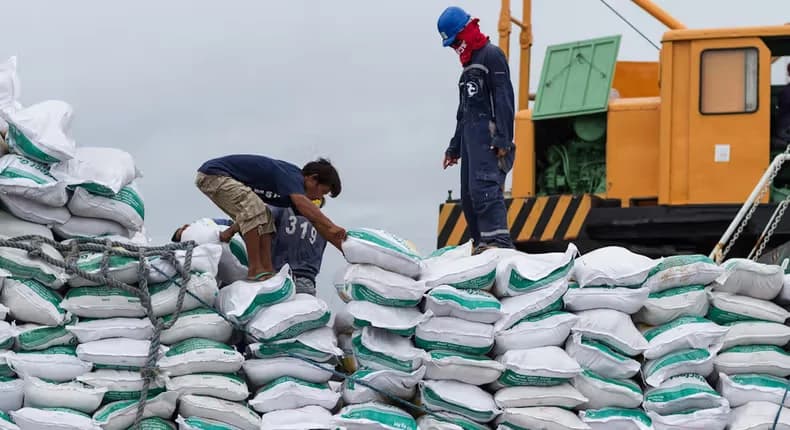
Morocco is positioning itself for a significant boost in the global fertilizer market as the United States considers lifting import duties on phosphate-based products. The proposed policy shift could open a major export window for the North African nation, which already holds a dominant position in global phosphate reserves. At the center of Morocco’s fertilizer industry is OCP Group, one of the world’s leading producers of phosphate-based fertilizers. With the country controlling nearly 70% of global phosphate reserves, any easing of trade barriers in major markets like the United States cou
Morocco is positioning itself for a significant boost in the global fertilizer market as the United States considers lifting import duties on phosphate-based products. The proposed policy shift could open a major export window for the North African nation, which already holds a dominant position in global phosphate reserves. At the center of Morocco’s fertilizer industry is OCP Group, one of the world’s leading producers of phosphate-based fertilizers. With the country controlling nearly 70% of global phosphate reserves, any easing of trade barriers in major markets like the United States could substantially strengthen its export capacity and global influence. The push to remove tariffs is being led by U.S. lawmakers, including Roger Marshall, alongside several co-sponsors. The proposed legislation aims to repeal the countervailing duties imposed in April 2021 on Moroccan phosphate imports. If passed, the bill would restore access to more competitively priced fertilizers for American farmers, many of whom have been grappling with high input costs. According to industry estimates, the removal of these duties could reduce phosphate fertilizer prices in the U.S. by more than 20%, potentially saving farmers around $150 per short ton. The tariffs had previously led to a sharp decline in imports, with U.S. purchases dropping significantly over the past few years. For Morocco, the implications are strategic. Greater access to the U.S. market would not only increase export volumes but also reinforce its status as a key player in the global fertilizer supply chain. This comes at a time when agricultural demand is rising worldwide, and fertilizer availability remains a critical factor in ensuring food security. The development also reflects a broader transformation within Africa’s fertilizer sector. Historically reliant on imports, the continent is increasingly investing in domestic production to reduce dependency and improve affordability for farmers. In Nigeria, billionaire industrialist Aliko Dangote has expanded fertilizer production through the Dangote Group, building one of the world’s largest urea plants and exporting to markets including the U.S., Brazil, and India. Meanwhile, countries such as Egypt and Algeria are scaling up nitrogen-based fertilizer production, leveraging natural gas resources to compete globally. Despite these advancements, challenges persist across the continent, including high distribution costs, limited infrastructure, and restricted access for smallholder farmers. If the U.S. ultimately lifts the phosphate import duties, Morocco stands to be one of the biggest beneficiaries. More broadly, the move could signal a shift in global fertilizer dynamics—one in which Africa plays an increasingly influential role not just as a consumer, but as a major supplier shaping international markets.



Comments
No comments yet. Be the first to share a thought.