
Namibia, widely recognized as Africa’s largest uranium producer, has strengthened its position in the continent’s mining sector following a major new discovery of high-grade critical minerals. The development comes after Askari Metals reported promising Phase 1 trenching results at its 100%-owned Uis Project, confirming extensive polymetallic mineralisation. The findings revealed significant deposits of tin, lithium, tantalum, and rubidium—minerals that are increasingly vital to modern industries. These resources play a central role in high-tech manufacturing, battery production, electronics,
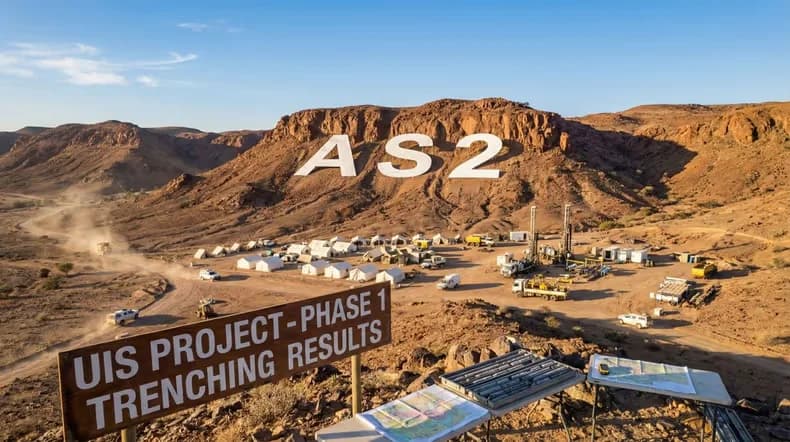
Namibia, widely recognized as Africa’s largest uranium producer, has strengthened its position in the continent’s mining sector following a major new discovery of high-grade critical minerals. The development comes after Askari Metals reported promising Phase 1 trenching results at its 100%-owned Uis Project, confirming extensive polymetallic mineralisation. The findings revealed significant deposits of tin, lithium, tantalum, and rubidium—minerals that are increasingly vital to modern industries. These resources play a central role in high-tech manufacturing, battery production, electronics, and renewable energy systems, making the discovery strategically important not only for Namibia but also for the global supply chain. According to the company, the mineralisation extends across a 2.2-kilometre pegmatite trend, with assay results indicating strong concentrations. Peak values included 8,340 parts per million (ppm) of tin, 0.57% lithium oxide, 299 ppm tantalum, and 2,380 ppm rubidium. Notably, lithium grades exceeded common industry cut-off thresholds for spodumene pegmatites, suggesting strong potential for commercial viability. The trenching programme, conducted at approximately 40-metre intervals, is expected to guide further exploration, with drilling activities planned for the second half of 2026. These next steps will be crucial in defining the scale of the resource and assessing its long-term mining potential. This discovery positions Namibia as an emerging hub for critical minerals, complementing its already strong portfolio of uranium, diamonds, and base metals. As global demand continues to surge—particularly for lithium used in electric vehicle batteries and energy storage systems—the Uis Project could significantly boost Namibia’s role in the green energy transition. Beyond its geological significance, the project also offers economic promise. With tin prices currently around $46,000 per ton and having peaked near $57,000, the development could generate substantial export revenues, attract foreign investment, and create employment opportunities. The project’s proximity to existing infrastructure, including the Walvis Bay deepwater port, further enhances its commercial attractiveness. Gino D’Anna, Executive Director of Askari Metals, emphasized the project’s strategic value, noting that its location near the operating Uis tin mine provides logistical advantages and opens the door for further exploration of multiple pegmatite targets. He described the project as a potentially major asset with significant economic upside. As Namibia looks to diversify beyond traditional mineral exports, discoveries like the Uis Project highlight the country’s growing importance in the global critical minerals market. In the long term, this could strengthen its economic resilience, support industrial development, and cement its role as a key player in Africa’s evolving mining landscape.



Comments
No comments yet. Be the first to share a thought.