
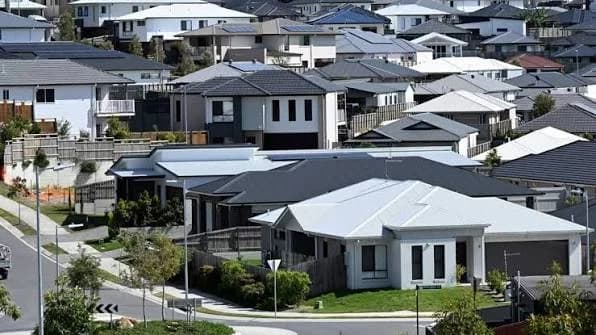
Australia’s housing affordability crisis reaches a fever pitch in 2026, a profound shift is occurring within the suburban home. The traditional Australian dream of moving out at 18 is being replaced by a pragmatic new reality, multigenerational living. With property prices in major capitals firmly entrenched in the million-dollar club and rental stress hitting record highs, families are no longer just sharing DNA, they are sharing mortgages, utility bills, and floor plans to survive an increasingly hostile economic landscape. The driver behind this trend is primarily financial. Recent 2026 da
Australia’s housing affordability crisis reaches a fever pitch in 2026, a profound shift is occurring within the suburban home. The traditional Australian dream of moving out at 18 is being replaced by a pragmatic new reality, multigenerational living. With property prices in major capitals firmly entrenched in the million-dollar club and rental stress hitting record highs, families are no longer just sharing DNA, they are sharing mortgages, utility bills, and floor plans to survive an increasingly hostile economic landscape. The driver behind this trend is primarily financial. Recent 2026 data from AMP reveals that 55% of Australians now support the idea of extended families living under one roof to pool resources. This sentiment is strongest among those most affected by the crisis, 68% of Australians aged 20 to 39 favor this arrangement. With the average time to save a 20% deposit now stretching to nearly 12 years nationally, many young professionals find that hard work is no longer enough. Instead, they are turning to what experts call the house of mum and dad, where staying home or moving back in allows for the accumulation of generational wealth that would otherwise be lost to the rental market.
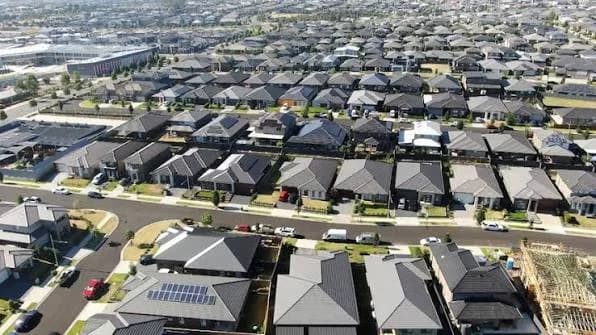
This is not merely a temporary fix for the boomerang generation. It is triggering a redesign of the Australian suburb. Architects and builders report a surge in requests for dual-occupancy designs, featuring self-contained units that offer privacy while maintaining proximity, homes with multiple master suites and separate entrances to ensure independence and rooms that can transition from a home office to an elderly parent's suite. Beyond the finances, the loneliness epidemic and the staggering cost of childcare often exceeding $50,000 a year for two children are making the presence of grandparents a practical and emotional godsend. However, the transition isn't without friction. Critics point out that this trend highlights a growing generational lottery. Those whose parents own property can build equity through shared living, while those without family backing face a lifetime of precarious leasing. Furthermore, legal and zoning hurdles remain, while states like New South Wales and Queensland have eased restrictions on secondary dwellings, many local councils still struggle to adapt their planning schemes to accommodate higher-density, single-lot living.



Comments
No comments yet. Be the first to share a thought.