
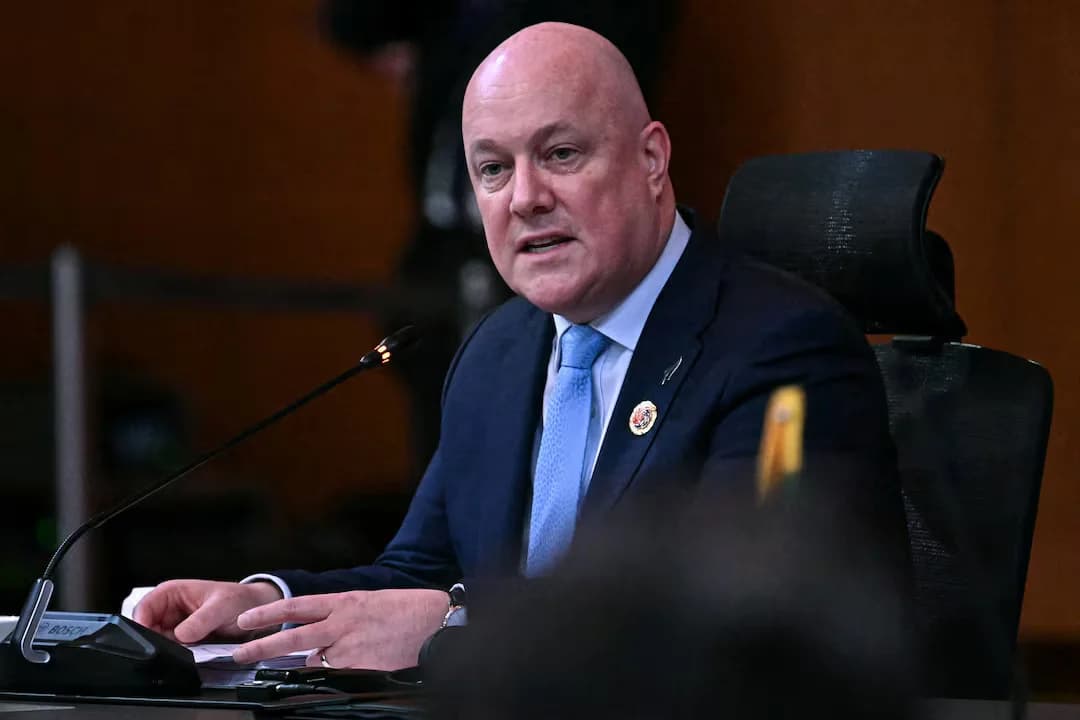
New Zealand will hold its next general election on Saturday, 7 November 2026, Prime Minister Christopher Luxon announced on 21 January 2026, formally setting the timetable for the country’s political contest. New Zealand's Prime Minister Christopher Luxon speaks as he attends the ASEAN – New Zealand Commemorative Summit during the 47th Association of Southeast Asian Nations Luxon made the announcement during the National Party’s annual caucus retreat in Christchurch, saying the early confirmation was intended to provide certainty for voters, political parties, and election administrators.
New Zealand will hold its next general election on Saturday, 7 November 2026, Prime Minister Christopher Luxon announced on 21 January 2026, formally setting the timetable for the country’s political contest.
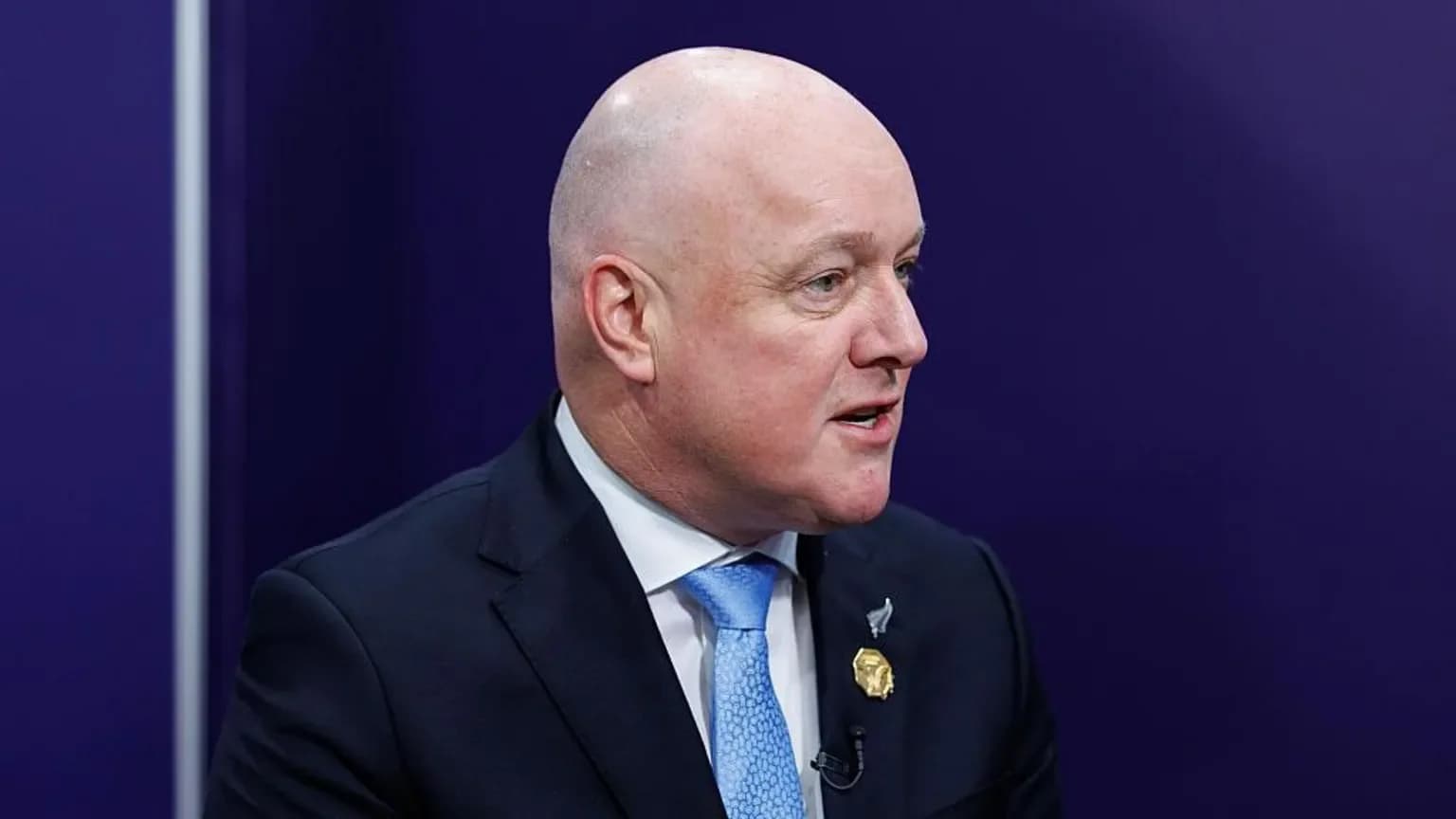
New Zealand's Prime Minister Christopher Luxon speaks as he attends the ASEAN – New Zealand Commemorative Summit during the 47th Association of Southeast Asian Nations
Luxon made the announcement during the National Party’s annual caucus retreat in Christchurch, saying the early confirmation was intended to provide certainty for voters, political parties, and election administrators. The election will determine the makeup of the 55th New Zealand Parliament under the country’s mixed-member proportional (MMP) voting system, which often results in coalition governments. Under the proposed timeline, Parliament is expected to rise in late September 2026, with its formal dissolution and the issuing of election writs in early October. Advance voting is likely to begin later that month, while final official results are expected in early December after special votes are counted. The campaign is widely expected to focus on economic pressures, including the cost of living, housing affordability, employment, and public services. Other key issues are likely to include law and order, social policy, and New Zealand’s long-term governance direction. The main contest is expected to be between Luxon’s centre-right National Party-led coalition and the centre-left Labour Parts, with smaller parties once again playing a crucial role in shaping the next government. Voters will head to the polls in what analysts predict will be a closely fought and politically significant election.



Comments
No comments yet. Be the first to share a thought.