
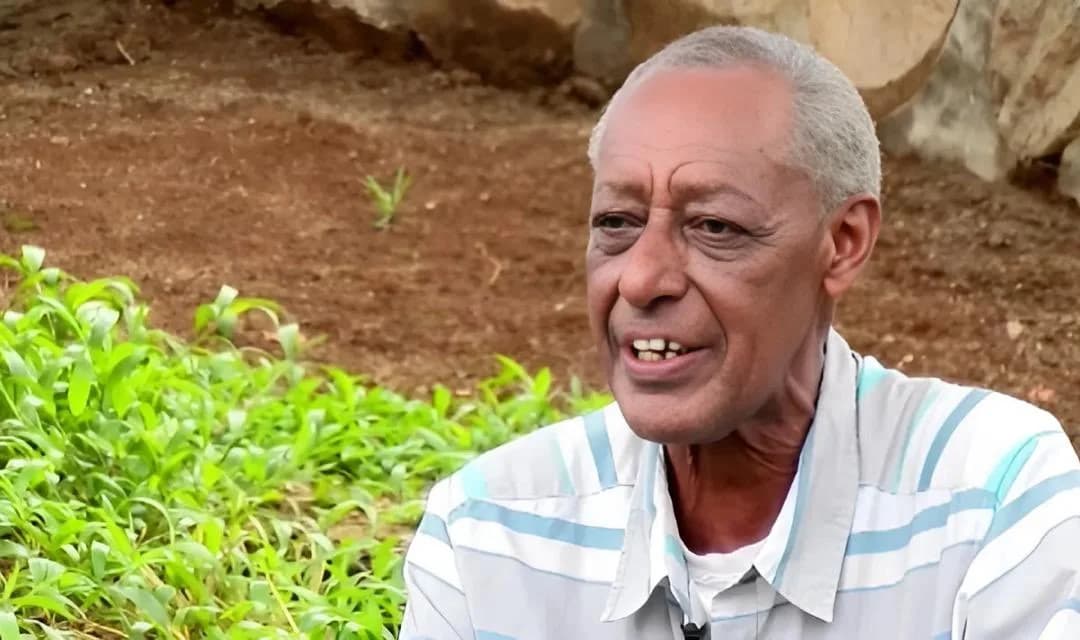
In the study of Rwandan culture and history, there are individuals who transcend the label of “artist” and become living institutions of identity, memory, and unity. Today, we reflect on the passing of Ngombwa Timothée, not merely as a loss, but as a profound cultural transition—one that invites deeper analysis of his contribution to Rwandan heritage, music, and collective consciousness. This is not just an obituary. It is a research-informed reflection on a man whose work functioned as cultural preservation, emotional healing, and national reconstruction. Beyond Personal Loss: A National Cul
In the study of Rwandan culture and history, there are individuals who transcend the label of “artist” and become living institutions of identity, memory, and unity. Today, we reflect on the passing of Ngombwa Timothée, not merely as a loss, but as a profound cultural transition—one that invites deeper analysis of his contribution to Rwandan heritage, music, and collective consciousness. This is not just an obituary. It is a research-informed reflection on a man whose work functioned as cultural preservation, emotional healing, and national reconstruction. Beyond Personal Loss: A National Cultural Void The passing of Ngombwa Timothée represents more than grief for family and friends—it marks a significant gap in Rwanda’s cultural ecosystem. From an academic perspective, Ngombwa can be understood as a “cultural transmitter”—a figure who preserved, embodied, and passed on indigenous knowledge through artistic expression. His absence raises critical questions about continuity: Who carries the voice of tradition forward? And how do we sustain such deeply rooted cultural narratives? Music as Cultural Therapy and Psychological Healing Drawing from my research in Laughter Percussion and Counseling Psychology, traditional music must be understood not only as art, but as a therapeutic system. Ngombwa Timothée’s music operated on multiple psychological and social levels: Emotional regulation – calming and comforting communities in distress Hope reconstruction – restoring belief in a better future Collective identity building – reinforcing what it means to be Rwandan During years of exile across Burundi, Uganda, Congo, and Tanzania, his work became a form of community therapy, helping displaced Rwandans reconnect with their roots, language, and identity. Diaspora Influence and Cultural Continuity From a diaspora studies perspective, Ngombwa’s role was transformative. He was not only an artist but a bridge between homeland and exile. Through teaching traditional songs and dances, he: Preserved Rwandan cultural practices abroad Mentored younger generations in identity and heritage Rebuilt a sense of belonging among displaced communities His work ensured that Rwandan culture remained alive, even outside its geographical borders. Songs as Living Archives of History Ngombwa’s music should be viewed as oral archives—repositories of memory, values, and national narratives. “Ziravumera” – A Prophetic Vision of Peace This song stands as a symbolic narrative of hope and restoration. Through imagery of cattle (inyambo), Ngombwa evokes peace, prosperity, and the return of stability. It reflects: Nostalgia for homeland A prophetic vision of national recovery Cultural resilience in times of hardship “Uwera de” – Beauty as Cultural Value Beyond romance, this song celebrates the dignity, grace, and moral values of the Rwandan woman. It reflects how traditional music encodes social ideals and gender identity. “Ziganje Amarembo” – Cultural Nationalism and Unity This piece carries a strong message of unity and responsibility, particularly directed at youth. It emphasizes: Rejecting division and hatred Preserving national identity Building a future rooted in shared values “Mpugutse Mpimbawe” – Joy, Freedom, and Emotional Liberation This song expresses the emotional release that comes with peace and belonging. It highlights the psychological importance of joy in post-conflict healing. Ngombwa Through the Lens of Counseling Psychology From a counseling psychology perspective, Ngombwa’s work aligns with key therapeutic principles: Trauma healing through collective experience Rebuilding identity through cultural expression Strengthening social bonds through music and performance His approach resonates deeply with the philosophy behind Laughter Percussion, where rhythm, participation, and shared experience become tools for healing and connection. A Legacy of Patriotism Through Culture Ngombwa demonstrated that patriotism is not only political—it is cultural and ethical. He taught that: Culture is a foundation of national strength Identity must be actively preserved Love for one’s country is expressed through action, not just words Looking Forward: Our Responsibility As researchers, educators, and cultural practitioners, we must now ask: How do we preserve Ngombwa’s work as academic and cultural material? How can his music be integrated into education systems? How do we continue using art as a tool for healing and unity? How do we ensure that future generations inherit this legacy? From Man to Legacy As a researcher, artist, and cultural practitioner, I offer this reflection: Ngombwa Timothée has not simply passed away—he has transformed into a legacy, a philosophy, and a living cultural force. His voice will continue to resonate in songs, dances, and the identity of the Rwandan people. HOBE News Australia “Telling African stories through research, culture, and truth.”
Comments
No comments yet. Be the first to share a thought.