
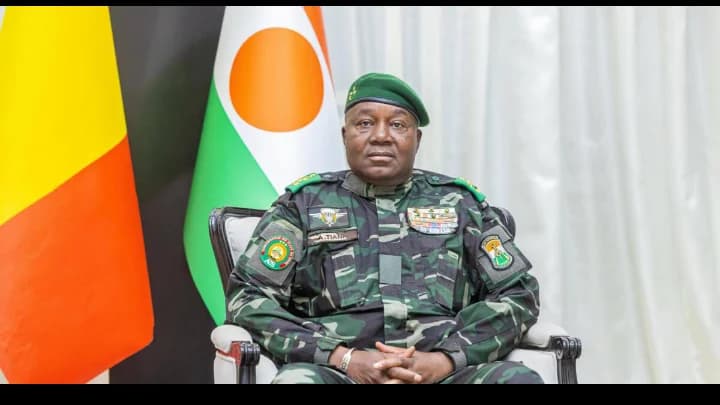
Niger's military government is facing renewed international scrutiny after a series of arrests carried out under recently introduced laws. Human rights organizations and political observers argue that the measures reflect an expanding crackdown on dissent as the ruling junta seeks to consolidate its grip on power. Since taking power in the July 2023 military coup, General Abdourahamane Tchiani and the National Council for the Safeguard of the Homeland (CNSP) have repeatedly pledged to restore stability and protect national sovereignty. However, recent developments have intensified concerns th
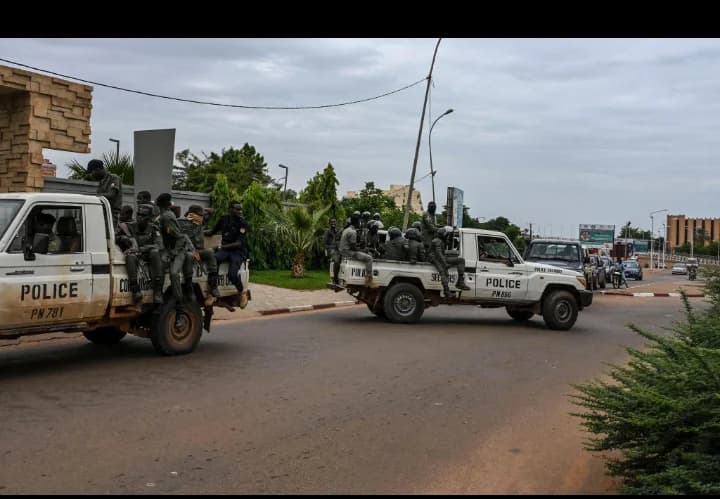
Niger's military government is facing renewed international scrutiny after a series of arrests carried out under recently introduced laws. Human rights organizations and political observers argue that the measures reflect an expanding crackdown on dissent as the ruling junta seeks to consolidate its grip on power. Since taking power in the July 2023 military coup, General Abdourahamane Tchiani and the National Council for the Safeguard of the Homeland (CNSP) have repeatedly pledged to restore stability and protect national sovereignty. However, recent developments have intensified concerns that the government is prioritizing tighter political control over civil liberties. Reports indicate that security forces have detained several individuals in operations linked to the enforcement of new legislation. Authorities insist the measures are necessary to safeguard national security and maintain public order, particularly as Niger continues to confront security threats from armed extremist groups operating across the Sahel region. Critics, however, argue that the arrests have gone beyond security concerns. Human rights defenders warn that the laws could be used to silence political opponents, activists, journalists and other voices critical of the military administration. They say the lack of transparency surrounding many of the detentions has fueled fears over due process and the protection of fundamental rights. The developments have drawn concern from international organizations and Western governments, many of which continue to call on Niger's leaders to respect human rights, uphold the rule of law and present a credible roadmap for a return to constitutional governance. Diplomatic relations between Niger and several Western partners have remained strained since the coup, while the junta has strengthened ties with new regional and international allies. Political analysts believe the latest crackdown highlights the delicate balance facing the military leadership. While authorities argue that stronger security measures are essential to combat terrorism and preserve national stability, critics warn that restricting political freedoms could deepen domestic tensions and further isolate Niger on the international stage. As the situation continues to evolve, attention is turning to whether the military government will ease political restrictions or continue expanding its authority through tougher legal measures. The outcome could have significant implications not only for Niger's democratic future but also for security and political stability across the wider Sahel region.



Comments
No comments yet. Be the first to share a thought.