
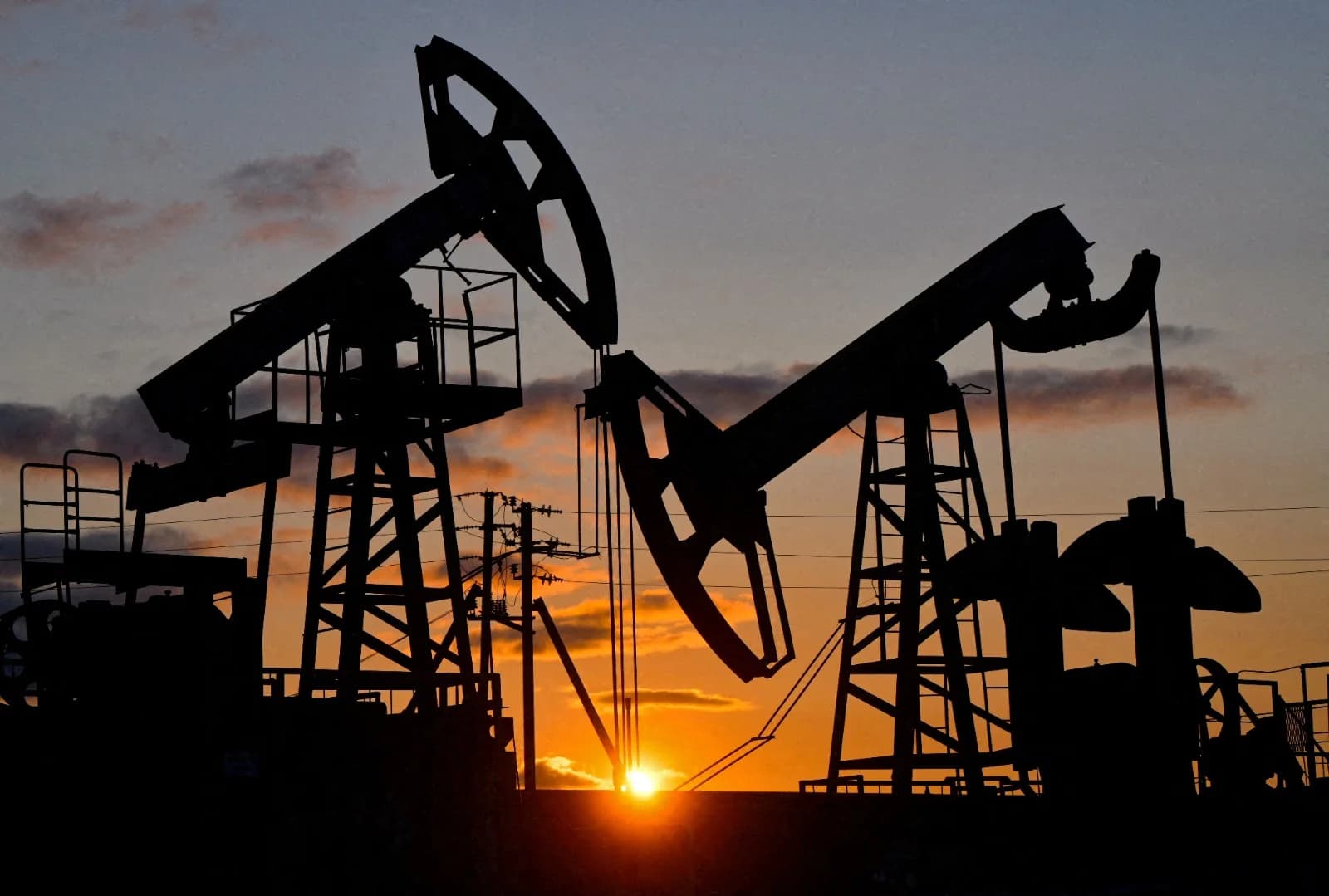
Global oil prices have surged again amid escalating tensions in the Strait of Hormuz , while equity markets show signs that their long-running bet on technology stocks may be starting to wobble. Brent crude climbed above $103 a barrel on Thursday, while U.S. benchmark crude remained below that level, highlighting a split in pricing even as energy markets react to geopolitical risk. The latest rise is not happening in isolation. The international benchmark had jumped from the low $70s before the Iran conflict to nearly $120 at its peak, before easing and now climbing again toward triple digits.
Global oil prices have surged again amid escalating tensions in the Strait of Hormuz, while equity markets show signs that their long-running bet on technology stocks may be starting to wobble.
Brent crude climbed above $103 a barrel on Thursday, while U.S. benchmark crude remained below that level, highlighting a split in pricing even as energy markets react to geopolitical risk.
The latest rise is not happening in isolation. The international benchmark had jumped from the low $70s before the Iran conflict to nearly $120 at its peak, before easing and now climbing again toward triple digits.
That trajectory suggests markets are not reacting to a fresh shock alone, but are instead reassessing a prolonged disruption risk tied to instability in one of the world’s most critical oil corridors.
Supply fears remain the primary driver. The Strait of Hormuz handles roughly 20 percent of global oil flows, making any disruption immediately impactful.
Recent military activity, reduced tanker traffic, and uncertainty around maritime security have forced traders to price in the possibility of a longer-lasting supply squeeze.
ING Bank strategists Warren Patterson and Ewa Manthey said in a note reported by Reuters that the market “is having to reprice expectations” as hopes for a U.S.–Iran resolution fade, pointing to a structural shift rather than a short-term spike, according to Reuters.
While technology stocks had been leading markets, that dominance is beginning to show cracks.
The Nasdaq Composite recently ended a 13-day winning streak (its longest since 1992) as oil prices surged and investor sentiment shifted. U.S. futures also edged lower on Thursday after major indexes had hit record highs a day earlier, supported by strong corporate earnings.
Companies such as Apple, Microsoft, and Nvidia remain central to investor enthusiasm, particularly due to the ongoing artificial intelligence boom. However, rising energy costs are beginning to test that momentum.
For weeks, markets showed a clear split between oil markets pricing in geopolitical risk and equities, especially tech, focused on growth and artificial intelligence. That gap is now narrowing.
Higher oil prices typically feed into inflation, which can pressure central banks to maintain tighter monetary policy, a headwind for high-growth sectors such as technology.
The durability of the tech-led rally now depends on how long oil stays elevated and whether inflation pressures intensify.
If Brent crude remains above $100 for an extended period, the cost pressures could begin to outweigh the optimism surrounding tech earnings and innovation.
Markets are entering a more uncertain phase. What was once a clear divergence between energy risk and tech optimism is beginning to converge, and that shift could define the next move for global investors.



Comments
No comments yet. Be the first to share a thought.