
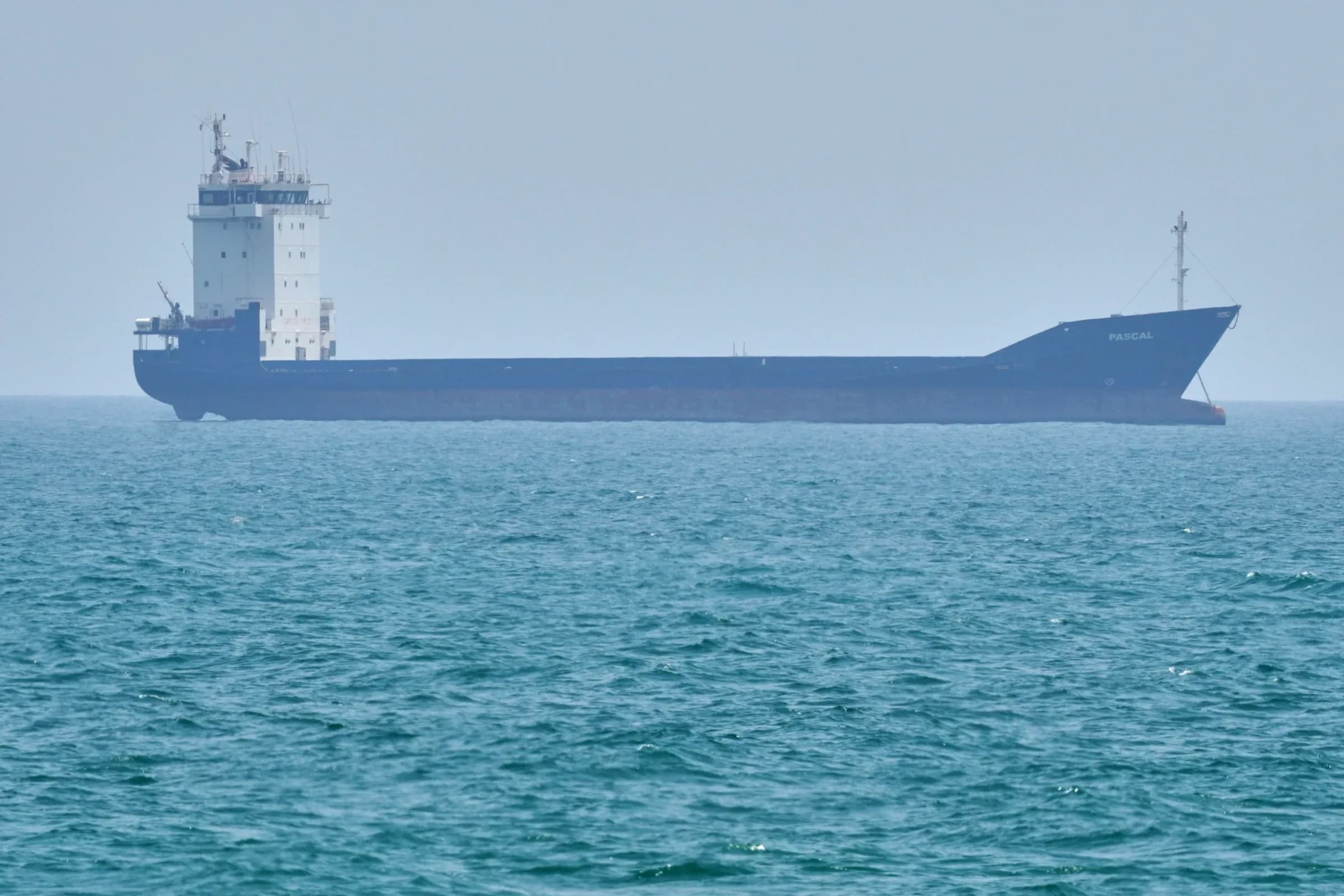
Oil prices jumped sharply on Monday as rising tensions between Iran and the United States intensified fears of major disruptions to global energy supplies through the strategic Strait of Hormuz . Global benchmark Brent crude climbed 6.1% to $95.89 per barrel, while U.S. West Texas Intermediate rose 6.5% to $89.31, according to Reuters, reflecting heightened market anxiety. The escalation follows a series of incidents in the region. On Saturday, Iran reportedly attacked a tanker in the Strait of Hormuz, raising immediate concerns about the safety of commercial shipping. In a separate developmen
Oil prices jumped sharply on Monday as rising tensions between Iran and the United States intensified fears of major disruptions to global energy supplies through the strategic Strait of Hormuz.
Global benchmark Brent crude climbed 6.1% to $95.89 per barrel, while U.S. West Texas Intermediate rose 6.5% to $89.31, according to Reuters, reflecting heightened market anxiety.
The escalation follows a series of incidents in the region. On Saturday, Iran reportedly attacked a tanker in the Strait of Hormuz, raising immediate concerns about the safety of commercial shipping.
In a separate development, the U.S. Navy said the USS Spruance intercepted an Iranian-flagged cargo ship, the Touska, after its crew ignored warnings to stop. U.S. Marines boarded and seized the vessel as part of blockade enforcement operations.
Iran strongly condemned the action, with its joint military command describing the boarding as a “violation of the ceasefire” and an “act of piracy,” and warning of possible retaliation.
The impact on global shipping has been significant. No tankers passed through the Strait on Sunday, compared to a pre-conflict daily average of around 138 vessels, and the ongoing 50-day disruption has blocked nearly 600 million barrels of oil, underscoring the scale of the crisis.
The tensions are also being felt by consumers. In the United States, average gasoline prices have risen to about $4.05 per gallon, with Energy Secretary Chris Wright warning that prices may not fall below $3 per gallon until next year.
The Strait of Hormuz handles roughly one-fifth of global oil supply, making it one of the world’s most critical energy chokepoints. Analysts warn that continued instability in the region could sustain high oil prices and deepen economic pressures worldwide.



Comments
No comments yet. Be the first to share a thought.