
Oil prices could extend gains at the open on Monday, March 16, as U.S.-Israeli strikes on Iran that began on Feb. 28 entered their third week, threatening critical oil infrastructure. The conflict has effectively stalled commercial traffic through the Strait of Hormuz, a chokepoint for roughly 20% of global oil supply, in what analysts describe as one of the largest disruptions to energy markets in years. Brent crude and U.S. West Texas Intermediate (WTI) futures have surged more than 40% so far this month, reaching their highest levels since 2022. The spike followed U.S. strikes on Iran’s Kha
Oil prices could extend gains at the open on Monday, March 16, as U.S.-Israeli strikes on Iran that began on Feb. 28 entered their third week, threatening critical oil infrastructure.
The conflict has effectively stalled commercial traffic through the Strait of Hormuz, a chokepoint for roughly 20% of global oil supply, in what analysts describe as one of the largest disruptions to energy markets in years.
Brent crude and U.S. West Texas Intermediate (WTI) futures have surged more than 40% so far this month, reaching their highest levels since 2022. The spike followed U.S. strikes on Iran’s Kharg Island, a key oil export hub, which prompted Tehran to halt shipping through the Strait of Hormuz, a chokepoint for roughly a fifth of global oil shipments.
U.S. President Donald Trump has threatened additional strikes on Kharg Island and urged allies including China, France, Japan, South Korea, and Britain to deploy warships to secure the strategic gateway. Tehran has responded defiantly, warning of further retaliation.
On Saturday, U.S. forces struck military targets on Kharg Island. Iranian drones retaliated with attacks on the United Arab Emirates’ Fujairah oil terminal. Analysts at JP Morgan, led by Natasha Kaneva, said the strikes marked an escalation in the conflict, noting that, until now, the region’s oil infrastructure had largely been spared.
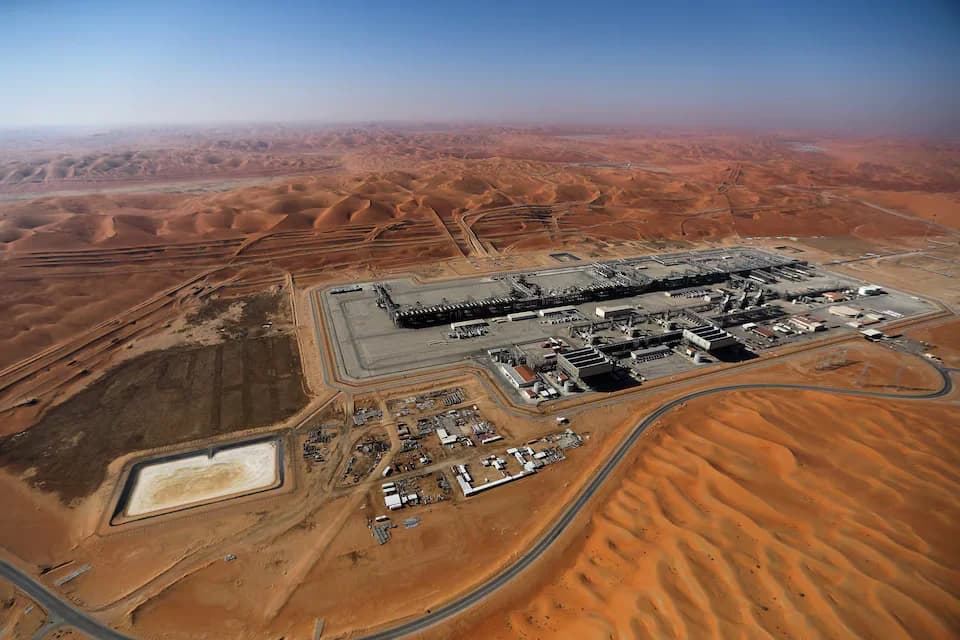
Key facilities considered highly vulnerable include Saudi Arabia’s Ras Tanura export terminal and the Abqaiq oil processing complex, as well as Fujairah, outside the Strait of Hormuz, which handles roughly 1 million barrels per day of the UAE’s Murban crude, about 1% of global demand. Fujairah has resumed oil loading operations, a local industry source said Sunday.
Global oil supply is projected to fall by 8 million barrels per day (bpd) in March due to shipping disruptions, while Middle Eastern producers have cut output by at least 10 million bpd, according to the International Energy Agency (IEA). In response to the surge, the IEA last week approved the release of a record 400 million barrels from strategic reserves, with Japan set to begin its release Monday.
Diplomatic efforts to end the conflict remain stalled. The Trump administration has rejected overtures from Middle Eastern allies seeking ceasefire talks, while Iran has refused negotiations until U.S. and Israeli strikes stop, dimming hopes for a rapid resolution.



Comments
No comments yet. Be the first to share a thought.