
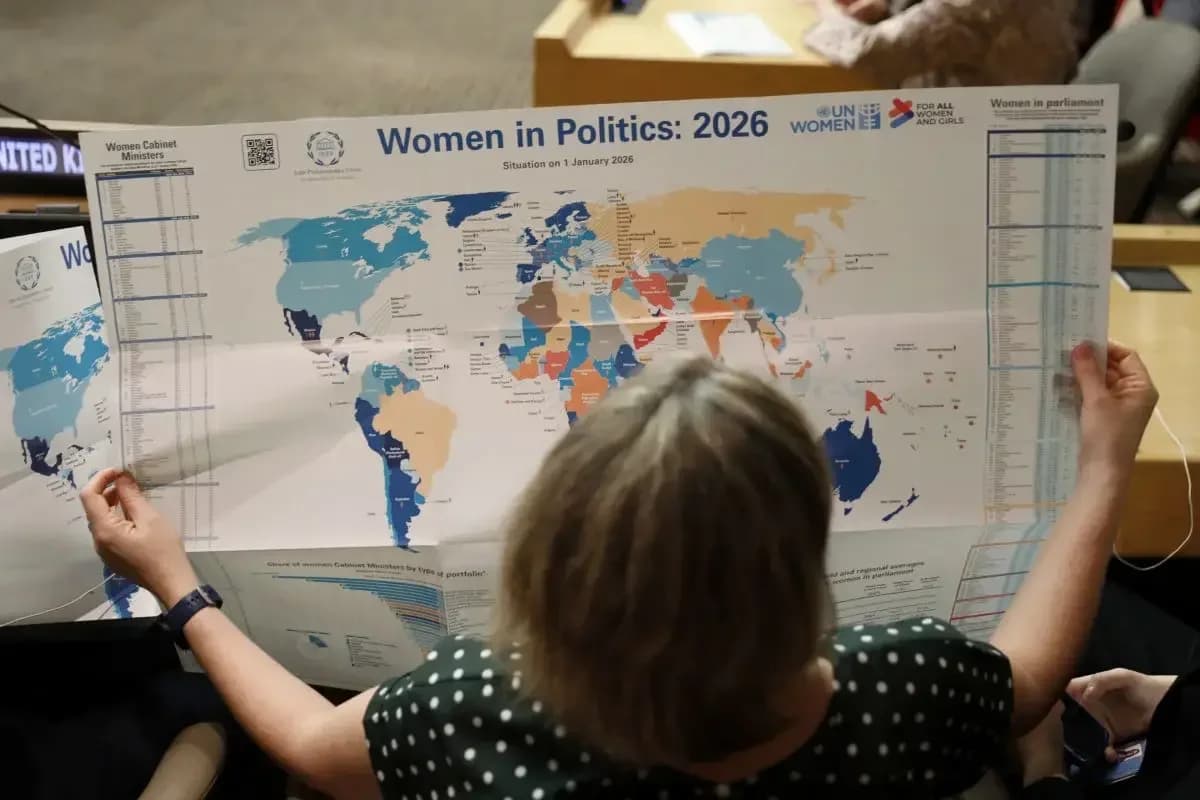
Women remain significantly underrepresented in political leadership worldwide, with only 28 countries currently led by a woman head of state or government, according to the Inter-Parliamentary Union (IPU) and UN Women . The findings were presented in the Women in Politics 2026 map during the 70th Session of the Commission on the Status of Women in New York on March 11. Globally, women hold 22.4 percent of cabinet minister positions, down from 23.3 percent in 2024, marking a reversal after years of gradual progress. At the same time, women occupy 27.5 percent of parliamentary seats worldwide, a
Women remain significantly underrepresented in political leadership worldwide, with only 28 countries currently led by a woman head of state or government, according to the Inter-Parliamentary Union (IPU) and UN Women.
The findings were presented in the Women in Politics 2026 map during the 70th Session of the Commission on the Status of Women in New York on March 11.
Globally, women hold 22.4 percent of cabinet minister positions, down from 23.3 percent in 2024, marking a reversal after years of gradual progress. At the same time, women occupy 27.5 percent of parliamentary seats worldwide, a slight increase from 27.2 percent in 2025, according to the report.
While 14 countries have achieved gender parity in cabinet positions, eight countries still have no women ministers, highlighting persistent gaps in political representation.
Women’s presence in parliamentary leadership has also declined. As of January 2026, 54 women serve as Speakers of Parliament, representing 19.9 percent of all Speakers globally, a drop of nearly four percentage points from the previous year and the first decline in women Speakers in more than two decades.
The report also found that 101 countries have never had a woman leader, underscoring the scale of the gender gap in top political offices.
“At a time of growing global instability, escalating conflicts and a visible backlash against women’s rights, shutting women out of political leadership weakens societies’ ability to respond to the challenges they face,” said Sima Bahous, Executive Director of UN Women.
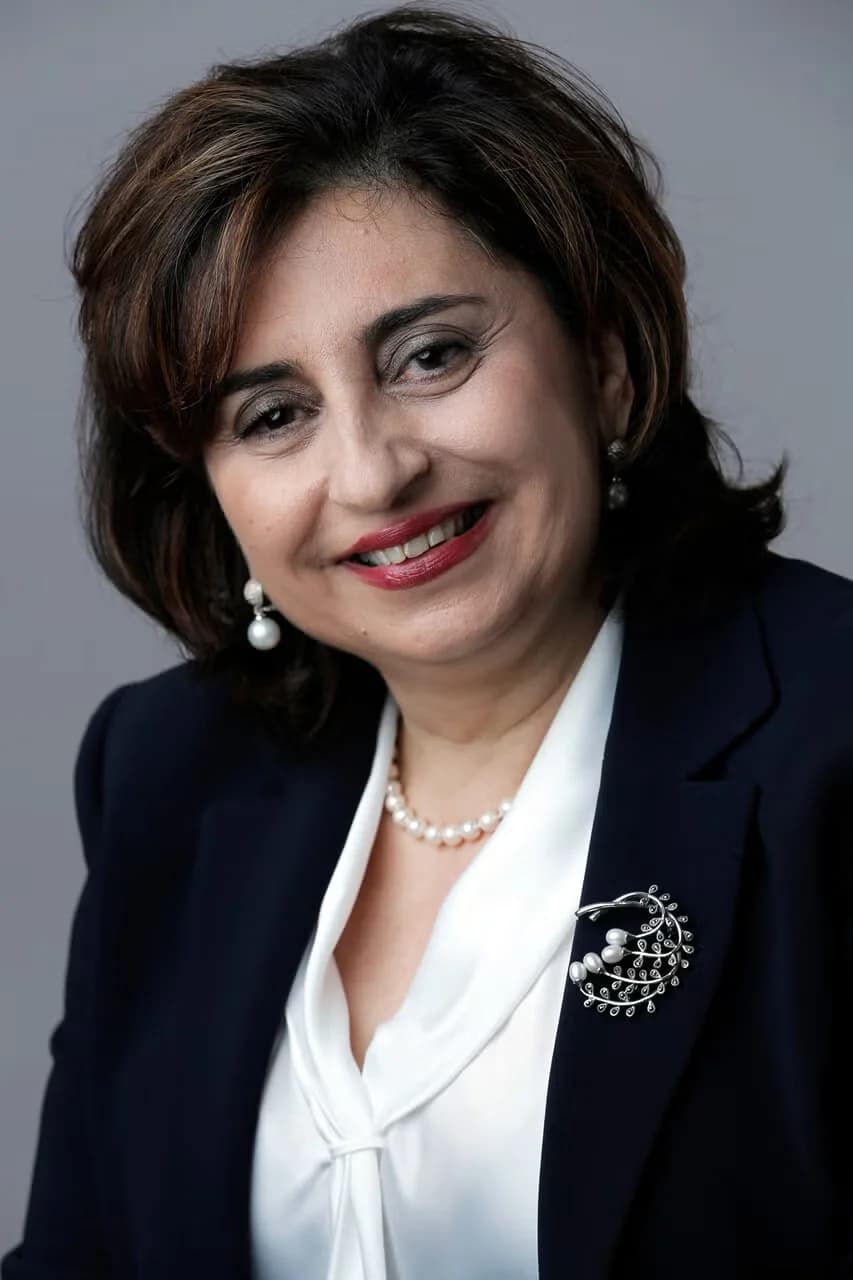
UN Women Executive Director Sima Bahous. Photo: UN Photo/Evan Schneider
Women in politics also face higher levels of intimidation and harassment. Surveys cited in the report show that 76 percent of women parliamentarians report experiencing intimidation from the public, compared with 68 percent of male lawmakers.
Even when women reach leadership roles, they are often concentrated in portfolios linked to social sectors. Women head 90 percent of ministries responsible for gender equality and 73 percent of ministries dealing with family and children’s affairs, while men continue to dominate ministries such as defense, economic affairs, justice and internal security.
Tulia Ackson, President of the IPU, said equal representation strengthens decision-making in political institutions.
“Parity is a moral imperative because women have an equal right to shape the decisions that govern their lives,” Ackson said. “Institutions make better decisions when they reflect the societies they serve.”
Tulia Ackson, President of the IPU
Officials presenting the report said addressing structural barriers, including discriminatory laws, violence against women in politics and unequal access to resources, will be key to advancing women’s political leadership.
Women in politics: 2026



Comments
No comments yet. Be the first to share a thought.