
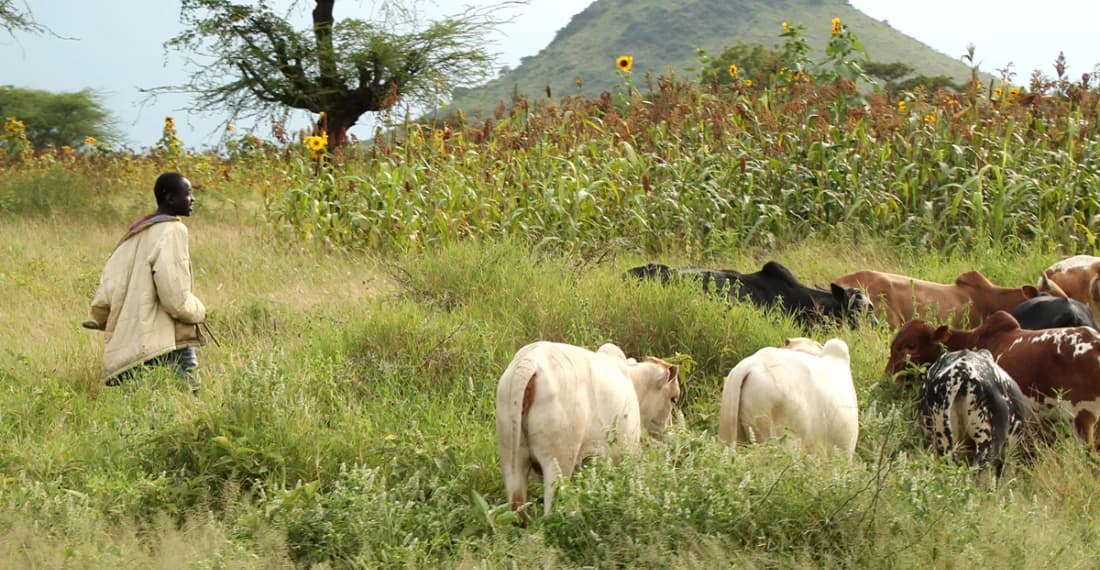
At least 33 people have been killed in clashes between herders and farmers in southwestern Chad, a local official and a traditional leader said on Wednesday. Deadly confrontations between the two groups are common in the Central African nation, where farmers often accuse herders of allowing their livestock to graze on cultivated land. According to official figures, 136 deaths and 166 injuries were recorded so far this year — a sharp rise compared to 71 deaths and 61 injuries in the second half of 2024, and 111 deaths and 88 injuries in the first half of that year. Most of the victims were wo
At least 33 people have been killed in clashes between herders and farmers in southwestern Chad, a local official and a traditional leader said on Wednesday. Deadly confrontations between the two groups are common in the Central African nation, where farmers often accuse herders of allowing their livestock to graze on cultivated land. According to official figures, 136 deaths and 166 injuries were recorded so far this year — a sharp rise compared to 71 deaths and 61 injuries in the second half of 2024, and 111 deaths and 88 injuries in the first half of that year. Most of the victims were women and children. Data from the same period show that 52% of the conflicts were inter-community disputes, 24% stemmed from tensions between herders and farmers, and another 24% were land-related. Around 60% of incidents about 15 cases occurred in the southern provinces. The Lac province alone accounted for 28% of all recorded conflicts, making it the area with the highest number of reported cases. In May and June 2025, about 12,500 people were displaced by violence in the provinces of Logone Occidental and Mayo-Kebbi Ouest. Authorities say disputes over access to natural resources, grazing land, and water sources remain the main causes of conflict. Issues related to land ownership and coexistence between farming and herding communities also continue to fuel tensions. Local leaders have urged communities to turn to mediation and formal conflict-resolution mechanisms instead of resorting to violent reprisals.



Comments
No comments yet. Be the first to share a thought.