
From February 24–28, Rwanda is hosting the Pan-African Surgical Conference, bringing together surgeons, healthcare leaders, researchers, and policymakers to discuss solutions for strengthening surgical services across Africa. Prime Minister Dr. Édouard Ngirente presided over the opening ceremony at Kigali Serena Hotel. Africa faces a severe shortage of surgical professionals. By 2030, the continent is projected to be short of more than six million surgical care providers. Currently, there are only 0.5 surgeons and 0.1 anesthetists per 100,000 people, creating a major healthcare burden. In r
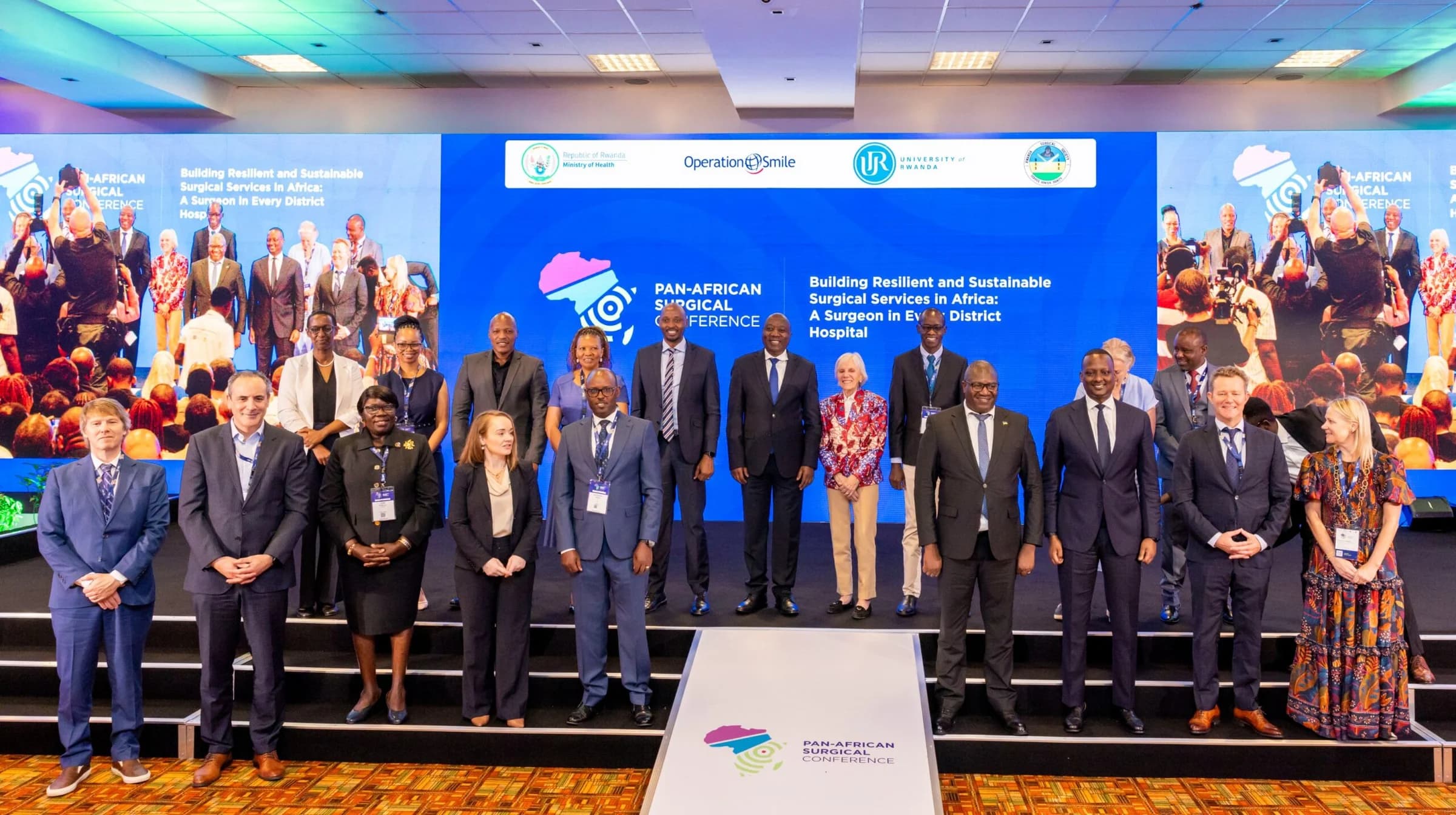
From February 24–28, Rwanda is hosting the Pan-African Surgical Conference, bringing together surgeons, healthcare leaders, researchers, and policymakers to discuss solutions for strengthening surgical services across Africa. Prime Minister Dr. Édouard Ngirente presided over the opening ceremony at Kigali Serena Hotel. Africa faces a severe shortage of surgical professionals. By 2030, the continent is projected to be short of more than six million surgical care providers. Currently, there are only 0.5 surgeons and 0.1 anesthetists per 100,000 people, creating a major healthcare burden. In response to this urgent need, the Pan-African Surgical Conference gathers over 600 surgeons and healthcare professionals from around the world alongside policymakers to develop strategies for strengthening Africa’s surgical workforce and improving access to surgical care. Held under the theme “A Surgeon in Every District Hospital,” the five-day conference focuses on transformative initiatives in surgical education, technological innovation, clinical skills development, and strategies to address challenges in resource-limited settings. Speaking at the opening ceremony, Rwanda’s Minister of Health, Dr. Sabin Nsanzimana, emphasized the importance of increasing the number of qualified surgeons, expanding training sites, and decentralizing surgical services to improve accessibility. He highlighted the early successes of the 4x4 program, a visionary strategy aimed at quadrupling the number of healthcare workers in Rwanda within four years to meet the WHO recommendation of at least four healthcare professionals per 1,000 people. “We recently launched the 4x4 program, and it’s progressing well. But for some fields, like surgery, 4x4 is not enough—you probably need 10x4 or even more. We currently have only 162 surgeons in Rwanda, yet we need 1,000. It seems impossible, but it is not,” Dr. Nsanzimana stated. The minister explained that before implementing the 4x4 program, Rwanda was graduating only three surgeons per year. This year, more than 60 residents have been enrolled in their first year of surgical training.





Comments
No comments yet. Be the first to share a thought.