
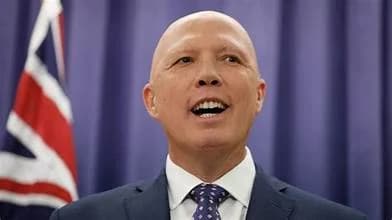
Peter Dutton, Australia's Leader of the Opposition, has recently been under increasing pressure to provide clear answers regarding his stance on nuclear energy. As debates intensify about the future of Australia's energy infrastructure, Dutton is being urged to specify which towns and cities he proposes for the establishment of nuclear reactors. The Nuclear Energy Debate in Australia Nuclear energy has been a contentious issue in Australia for decades. Proponents argue that it offers a reliable and low-emission power source that can help the country transition away from fossil fuels. Critics
Peter Dutton, Australia's Leader of the Opposition, has recently been under increasing pressure to provide clear answers regarding his stance on nuclear energy. As debates intensify about the future of Australia's energy infrastructure, Dutton is being urged to specify which towns and cities he proposes for the establishment of nuclear reactors. The Nuclear Energy Debate in Australia Nuclear energy has been a contentious issue in Australia for decades. Proponents argue that it offers a reliable and low-emission power source that can help the country transition away from fossil fuels. Critics, however, raise concerns about safety, waste management, and the high costs associated with building and maintaining nuclear facilities. Australia, despite having the world's largest uranium reserves, does not currently have any operational nuclear power plants. This is partly due to a long-standing public and political resistance, as well as regulatory barriers. However, as the nation grapples with the urgent need to reduce carbon emissions and ensure energy security, nuclear power is re-emerging as a potential solution. Peter Dutton's Position Peter Dutton has indicated his support for considering nuclear energy as part of Australia's future energy mix. He has suggested that nuclear power could play a key role in reducing greenhouse gas emissions and providing a stable energy supply. However, his statements have been met with skepticism and demands for more detailed plans. The Australian public and various stakeholders are seeking transparency on several fronts: Site Selection: One of the most critical aspects of introducing nuclear power is determining where reactors will be built. Communities across the country are anxious about the possibility of having a nuclear facility in their vicinity. Dutton needs to specify which towns and cities are being considered for these projects, addressing local concerns and conducting thorough consultations. Safety and Environmental Impact: There are widespread concerns about the potential risks associated with nuclear power, including the possibility of accidents and the long-term management of radioactive waste. Dutton must provide comprehensive plans on how these issues will be managed, ensuring the highest safety standards and environmental protections. Economic Viability: Building nuclear power plants is an expensive undertaking. Dutton needs to outline the economic rationale behind pursuing nuclear energy, including how these projects will be funded, the expected costs, and the projected benefits for the Australian economy. Regulatory Framework: Implementing nuclear energy in Australia will require significant changes to the current regulatory framework. Dutton should clarify how he plans to address existing legal barriers and what new regulations will be introduced to govern the nuclear industry. The Path Forward For Peter Dutton, addressing these questions is not just a matter of policy detail; it is a crucial step in building public trust and gaining political support for nuclear energy. Transparency, community engagement, and a clear vision for the future are essential to advancing the nuclear debate in Australia. As Australia continues to explore sustainable and reliable energy sources, the role of nuclear power remains a pivotal question. Peter Dutton's answers could shape the country's energy landscape for decades to come. It's time for him to provide clarity and detail on his nuclear energy plans, starting with the identification of potential sites for nuclear reactors and addressing the key concerns of the Australian public.



Comments
No comments yet. Be the first to share a thought.