
Indonesian President Prabowo Subianto’s outspoken and populist communication style is facing increasing criticism, with some citizens and analysts questioning whether his public remarks are affecting trust in his leadership. Since taking office, Prabowo has gained attention for his direct and often unscripted speeches. During a political event in Jakarta last month, he joked about ignoring prepared speeches before making controversial remarks that sparked criticism from journalists, civil society groups and opposition voices. One of the most criticised moments came when Prabowo used the term
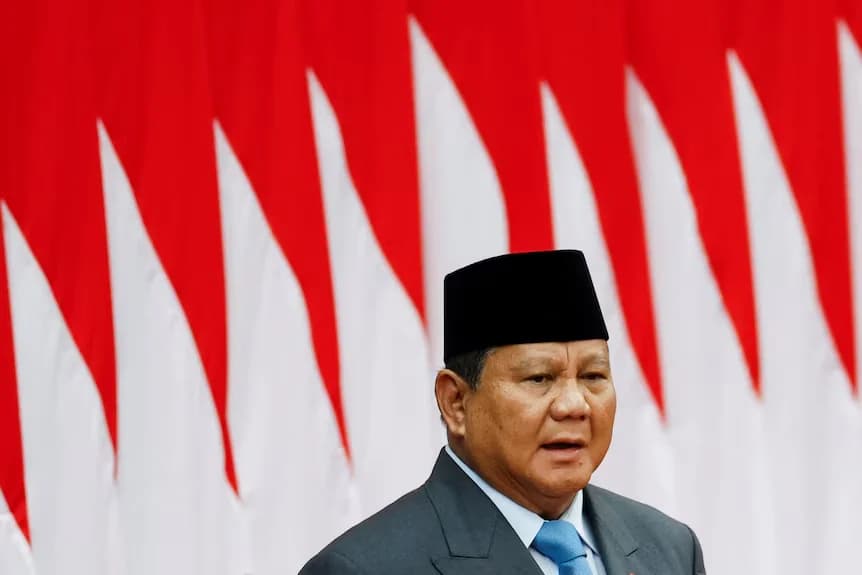
Indonesian President Prabowo Subianto’s outspoken and populist communication style is facing increasing criticism, with some citizens and analysts questioning whether his public remarks are affecting trust in his leadership. Since taking office, Prabowo has gained attention for his direct and often unscripted speeches. During a political event in Jakarta last month, he joked about ignoring prepared speeches before making controversial remarks that sparked criticism from journalists, civil society groups and opposition voices. One of the most criticised moments came when Prabowo used the term “londo ireng”, a historical phrase referring to Indonesians accused of collaborating with Dutch colonial forces. He suggested that such figures still exist today among journalists, analysts and non-governmental organisations. Media groups condemned the comments, saying they could threaten press freedom and democratic debate. The president has also faced backlash over other statements, including telling people unhappy with high rice prices to “help grow it” and dismissing some economic concerns. His remarks have led some Indonesians to question whether his informal communication style is appropriate for a national leader. Political analyst Ambang Priyonggo said Prabowo’s approach reflects a broader populist style based on simple language, direct engagement and nationalist messaging. He compared aspects of Prabowo’s communication style to that of US President Donald Trump, describing both leaders as using spontaneous and sometimes controversial public statements. According to Priyonggo, this style can create risks because criticism of government policies may become viewed as a personal attack against the leader, potentially encouraging a “personality politics” culture. Public dissatisfaction has also appeared through protests. In June, student-led demonstrations took place in several Indonesian cities over rising living costs, government spending priorities and concerns about the direction of the country. However, Prabowo’s government has defended his communication style, saying his speeches reflect his genuine commitment to representing the interests of ordinary Indonesians. Government officials argue that some statements are misunderstood when short clips circulate on social media without wider context. Despite criticism, public opinion remains mixed. Some surveys have shown strong approval ratings for Prabowo, while others indicate declining satisfaction with his administration. Experts also say there is limited evidence that his speeches alone are damaging Indonesia’s economy. Market movements are influenced by many factors, including global economic conditions, trade tensions and geopolitical uncertainty. As Prabowo continues his presidency, the debate remains over whether his direct and populist style strengthens his connection with ordinary Indonesians or risks creating further divisions and dissatisfaction.



Comments
No comments yet. Be the first to share a thought.