
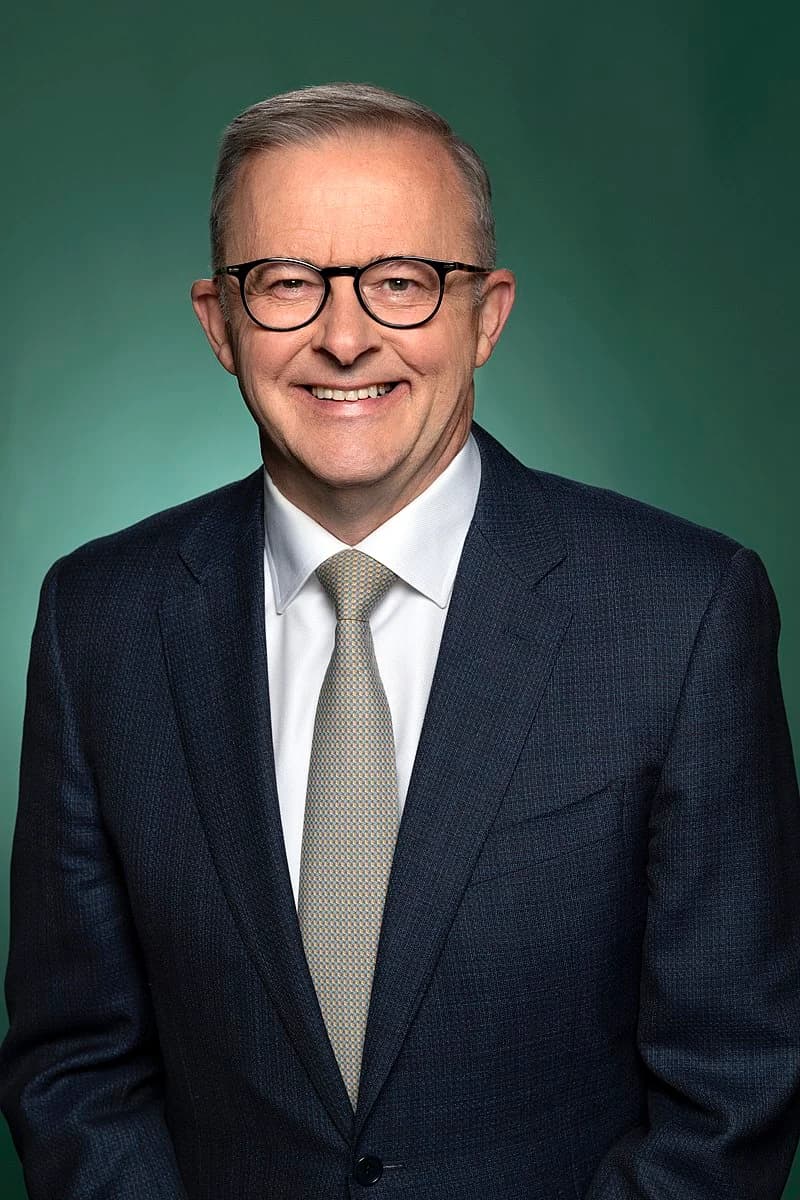
Prime Minister Anthony Albanese has faced an unusual predicament since January, as pro-Palestine protests and heightened security concerns have prevented him from accessing his Sydney electoral office. The security measures follow the October Hamas terror attacks, which incited a wave of protests and vandalism targeting parliamentary offices across Australia. In the wake of these attacks, security has been significantly tightened around the offices of parliamentarians. The situation at Albanese's office is emblematic of the broader security challenges faced by public officials in Australia
Prime Minister Anthony Albanese has faced an unusual predicament since January, as pro-Palestine protests and heightened security concerns have prevented him from accessing his Sydney electoral office. The security measures follow the October Hamas terror attacks, which incited a wave of protests and vandalism targeting parliamentary offices across Australia. In the wake of these attacks, security has been significantly tightened around the offices of parliamentarians. The situation at Albanese's office is emblematic of the broader security challenges faced by public officials in Australia. Reports from 'The Australian' indicate that formal advice has been issued regarding the convergence of Islamist extremists and political activists at various protests. These events have been occurring on university campuses, ministerial offices, and public demonstrations throughout the country. The security concerns stem from a series of coordinated attacks and protests that have created a volatile environment around political offices. The situation has necessitated stringent security protocols to ensure the safety of public officials and the general public. Background of the Issue The Hamas terror attacks in October 2023 marked a significant escalation in tensions, both internationally and domestically. In Australia, these events triggered a series of protests that quickly turned confrontational. The initial wave of demonstrations saw a mix of political activists and extremist elements, leading to clashes and incidents of vandalism at various MPs' offices. Security Response In response to the escalating threats, Australian security agencies issued warnings and implemented new security measures. These measures included increased surveillance, physical barriers around sensitive locations, and a higher police presence at protests and around political offices. The advice from security experts highlighted the potential risks posed by the intersection of political activism and extremist ideologies. Impact on Parliamentary Operations The lockdown of Prime Minister Albanese's office is a direct consequence of these heightened security measures. It underscores the challenges faced by government officials in maintaining accessibility and engagement with their constituents while ensuring their own safety and that of their staff. Broader Implications The situation raises important questions about the balance between security and democratic accessibility. While the protection of public officials is paramount, the ability of constituents to access their elected representatives is a cornerstone of democratic governance. The current scenario reflects a complex interplay between these priorities, requiring careful navigation to uphold democratic principles without compromising security.



Comments
No comments yet. Be the first to share a thought.