
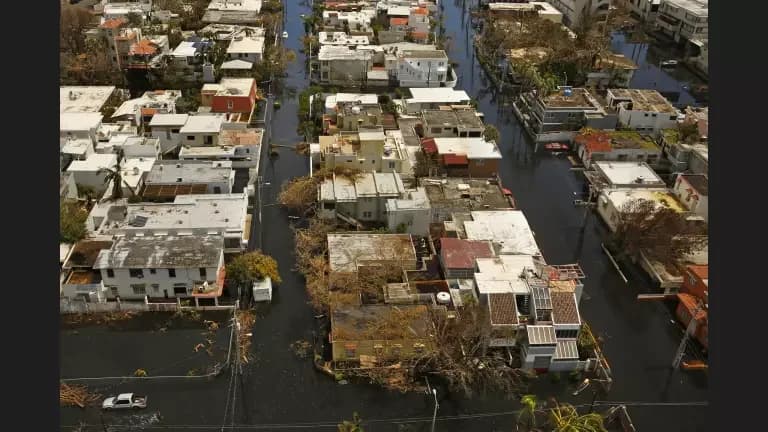
Nearly seven years after Hurricane Maria unleashed its wrath on Puerto Rico, the island continues to grapple with the lingering effects of the catastrophic storm. The powerful Category 4 hurricane, which struck in September 2017, exposed the fragility of Puerto Rico’s infrastructure and left an indelible mark on its economy and society. As the nation works to rebuild, the challenges of recovery highlight ongoing issues with infrastructure, health care, and economic resilience. Hurricane Maria, one of the deadliest storms in the island's history, brought unprecedented destruction. Winds reachi
Nearly seven years after Hurricane Maria unleashed its wrath on Puerto Rico, the island continues to grapple with the lingering effects of the catastrophic storm. The powerful Category 4 hurricane, which struck in September 2017, exposed the fragility of Puerto Rico’s infrastructure and left an indelible mark on its economy and society. As the nation works to rebuild, the challenges of recovery highlight ongoing issues with infrastructure, health care, and economic resilience. Hurricane Maria, one of the deadliest storms in the island's history, brought unprecedented destruction. Winds reaching up to 155 mph, torrential rains, and severe flooding wreaked havoc, causing widespread power outages and crippling Puerto Rico’s already vulnerable infrastructure. The aftermath was marked by a humanitarian crisis, with thousands of homes destroyed, water supplies contaminated, and essential services disrupted. The death toll, initially reported as 64, was later revised to nearly 3,000, making it one of the deadliest natural disasters in U.S. history. Despite significant federal aid and numerous recovery efforts, the road to rebuilding has been slow and fraught with challenges. Many communities are still struggling with inadequate housing, unreliable power supply, and limited access to clean water. The pandemic further complicated recovery, diverting resources and attention away from rebuilding efforts. The island's electrical grid, which was already in poor condition before the storm, suffered extensive damage and has been a focal point of recovery efforts. However, progress has been slow, with residents continuing to experience frequent power outages. Efforts to modernize the grid have been met with logistical, financial, and political obstacles, leaving many to question when, or if, the island will see a reliable energy future. The psychological and social toll on Puerto Rico’s residents is immeasurable. Thousands were displaced, and many left the island in search of stability and employment on the mainland. For those who remain, the struggle to rebuild lives and communities is ongoing. The trauma of losing homes, livelihoods, and loved ones has had long-lasting effects on the mental health and well-being of survivors. Nonprofit organizations and community groups have played a crucial role in providing support and services to affected families. Yet, many argue that federal assistance has been insufficient and unevenly distributed, exacerbating the recovery challenges faced by the most vulnerable communities.

Comments
No comments yet. Be the first to share a thought.