
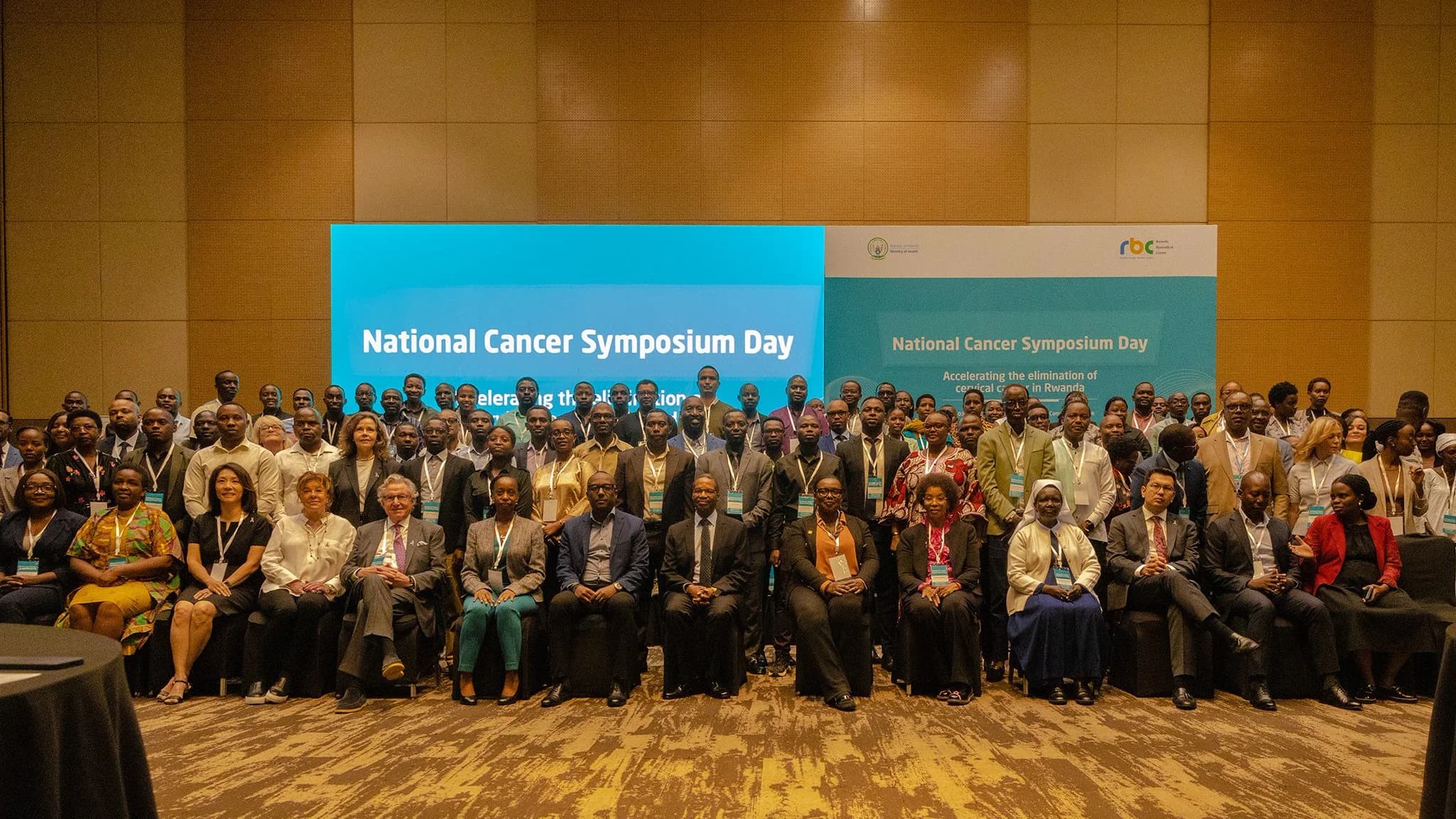
Kigali, Rwanda – February 3, 2026 – In observance of #WorldCancerDay, Rwanda convened its National Cancer Symposium to strengthen strategies aimed at eliminating cervical cancer and tackling breast cancer, two of the leading causes of cancer-related deaths in the country. The event brought together researchers, clinicians, partners, policymakers, and cancer survivors to assess progress, identify gaps in prevention and treatment, and chart a roadmap toward achieving Rwanda’s ambitious goal of eliminating cervical cancer by 2027 three years ahead of the World Health Organization’s global target
Kigali, Rwanda – February 3, 2026 – In observance of #WorldCancerDay, Rwanda convened its National Cancer Symposium to strengthen strategies aimed at eliminating cervical cancer and tackling breast cancer, two of the leading causes of cancer-related deaths in the country.
The event brought together researchers, clinicians, partners, policymakers, and cancer survivors to assess progress, identify gaps in prevention and treatment, and chart a roadmap toward achieving Rwanda’s ambitious goal of eliminating cervical cancer by 2027 three years ahead of the World Health Organization’s global target of 2030.
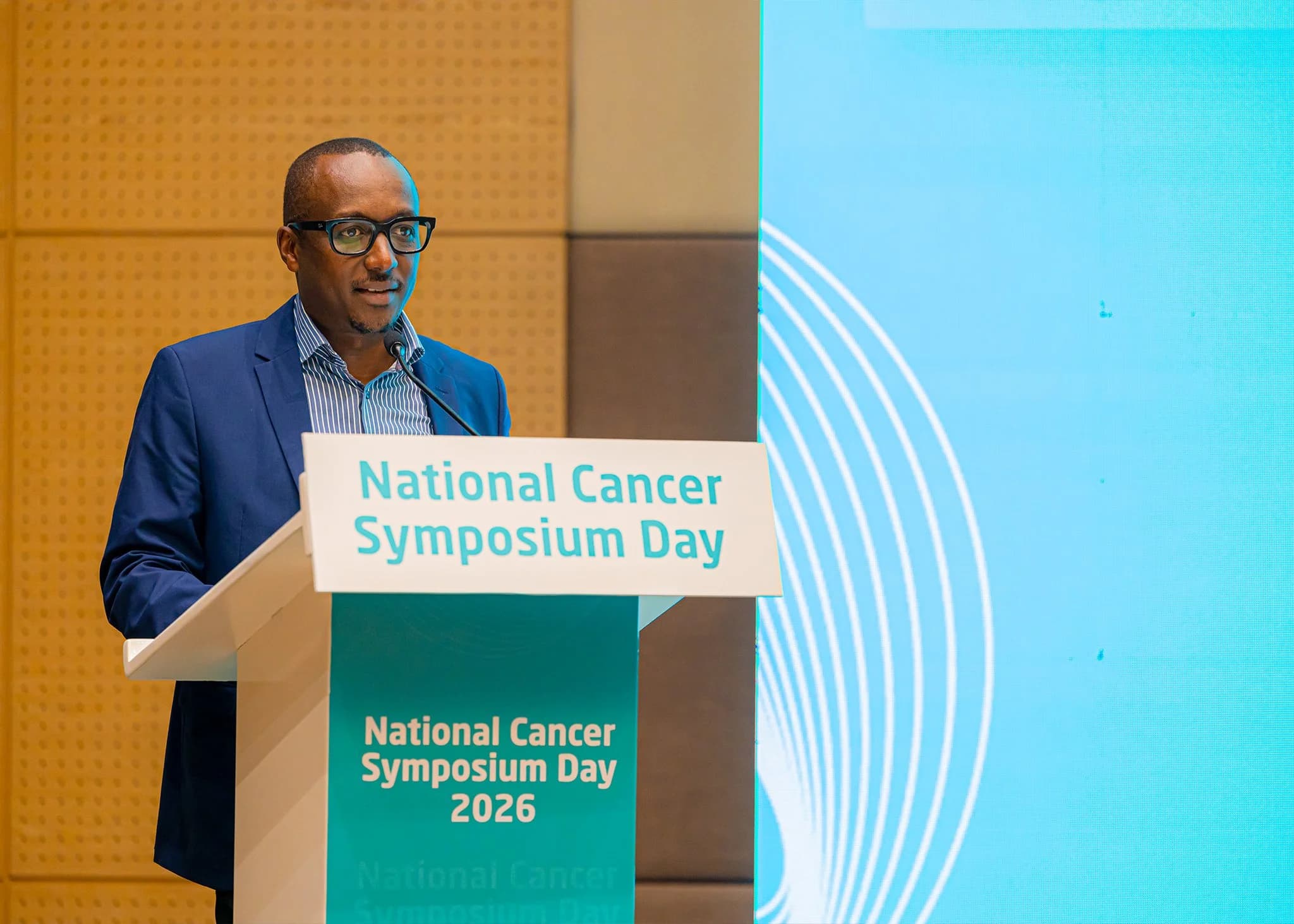
Director general of RBC Dr. Celestin muvunyi
Rwanda Biomedical Centre (RBC) Director General, Dr. Celestin Muvunyi, emphasized the importance of collaborative action. “This symposium is a critical opportunity to review our achievements, highlight areas that need reinforcement, and align all stakeholders on the path toward a cervical-cancer-free Rwanda,” Dr. Muvunyi said.
Discussions at the symposium focused on expanding access to screening, vaccination programs, early detection, and improved treatment protocols for both cervical and breast cancer. Experts highlighted the significant strides Rwanda has made in HPV vaccination coverage and community awareness, while noting that increased investment in oncology services and survivor support remains essential.
Cancer survivors attending the symposium shared personal experiences, underlining the urgent need for early detection and timely treatment. Their stories reinforced the message that eliminating cervical cancer is not only a national health priority but also a societal imperative.
The symposium concluded with a call for strengthened partnerships among government agencies, healthcare providers, research institutions, and civil society organizations to accelerate progress and ensure that Rwanda meets its 2027 elimination target.
As Rwanda intensifies efforts against these cancers, the event underscores the nation’s commitment to proactive healthcare, early intervention, and the global fight against cancer.



Comments
No comments yet. Be the first to share a thought.